How to Choose the Right Cake Topper for Every Celebration
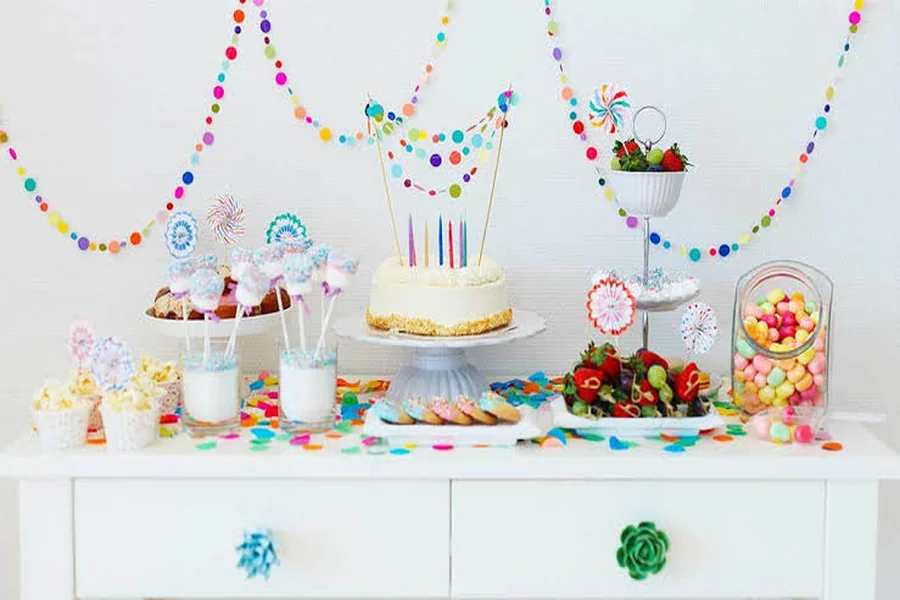
Most people buy a cake topper the same way they buy a phone charger at an airport gift shop: quickly, under pressure, and with a nagging feeling they picked wrong. The result is a glittery star on a graduation cake or a delicate paper flag on an outdoor picnic table where the wind has other plans. A little upfront thinking saves that regret.
The good news is that picking a topper does not have to be complicated. Once you understand how material, event type, and display environment interact, the right choice becomes obvious. This guide walks you through exactly that, event by event and material by material, so your next celebration cake looks intentional, not improvised.
Why Cake Toppers Matter More Than You Think
A topper is the first thing a guest photographs. Before the fork goes in, someone’s phone comes out. That one image gets shared, saved to camera rolls, and posted to Instagram stories where it can prompt five other people to ask, “Where did you get that?” So no, it is not “just a little decoration.”
According to a 2025 study by DataHorizzon Research, the global cake toppers market is projected to grow at a CAGR of 4.97% from 2025 to 2033, driven by rising demand for personalized and decorative bakery products across weddings, birthdays, anniversaries, and corporate celebrations. That growth is not coming from professional bakeries alone. It is home bakers, event hosts, and small cottage bakers who are fueling it.
Consumers are shifting toward premium, visually appealing cake accessories, and the growing influence of platforms like Instagram and Pinterest has amplified demand for aesthetically designed toppers. Put simply, the bar for what a celebration cake looks like is higher than it was five years ago. A topper is how you clear it without a culinary arts degree.
The Occasion-Material Matrix: A Simple Decision Framework
Before shopping, run your event through what I call the Occasion-Material Matrix. It has two axes: display permanence (how long the topper needs to hold up) and visual weight (how much the decoration should dominate versus complement the design). Cross those two against your event type and the right material category reveals itself fast.
| Event Type | Display Permanence | Visual Weight | Best Material
|
|---|---|---|---|
| Birthday (child) | Short (1-3 hours) | High | Acrylic, glitter board |
| Birthday (adult milestone) | Short to medium | Medium to high | Laser-cut wood or acrylic |
| Wedding | Long (4-6+ hours) | Low to medium | Acrylic, wood, metal wire |
| Baby shower / bridal shower | Short to medium | Medium | Acrylic charms, cupcake picks |
| Graduation | Short | High | Glitter board, acrylic |
| Holiday / seasonal | Varies | Medium to high | Themed acrylic picks or charms |
The matrix is not a rigid rule. It is a starting filter. Once you know your material category, you pick within it based on color palette, wording, and personal taste. That last step is the fun part.
Matching the Topper to the Occasion
Birthday Parties
For a child’s birthday, go bold. Bright acrylic, mirror finishes, glitter lettering. These toppers read from across the room, photograph beautifully in any lighting, and hold up through a rowdy party. An age number topper paired with a “Happy Birthday” banner topper gives you two visual anchors without looking crowded.
Adult milestone birthdays (30, 40, 50) call for something with more restraint. A clean laser-cut wood or frosted acrylic topper in a single word, like “Thirty” spelled out in script, lands with elegance that a glitter foam board would undercut. Save the drama for the flowers on the buttercream.
Weddings
Wedding toppers live on the cake for the entirety of a reception, sometimes four to six hours under warm venue lighting and cameras. That rules out anything paper-based or delicate. Laser-cut acrylic is the safest bet: rigid enough to stay put, reflective enough to catch candlelight. Personalized monograms, last names, and “Mr. & Mrs.” styles remain perennial favorites for good reason. They are legible, timeless, and photograph well from every angle.
Baby Showers and Bridal Showers
Here is where cupcake charms and individual picks earn their keep. A cupcake table covered in themed medallions creates a cohesive spread that no single large cake could match. Picture a bridal shower dessert table: a central cake crowned with an elegant “Bride to Be” topper, flanked by 24 cupcakes each wearing a small charm reading “Oh Baby” or “Be Mine.” That grid of identical decorations transforms a home bakery spread into something that looks professionally styled.
This is exactly the kind of project where a broad selection matters. If you browse baking toppers and charms by occasion and theme rather than just by product type, you find coordinated sets faster and end up with a visually unified display rather than a mix of unrelated pieces.
Holidays and Seasonal Events
Holiday toppers have a narrow window of relevance, which makes cost-per-use a real consideration. Acrylic picks in Halloween, Thanksgiving, or Valentine’s Day themes that cost $10 to $15 for a set of six are a smart spend because they serve dozens of cupcakes and store flat in a small bag. Wooden picks are even more reusable; they do not yellow or warp in storage the way some thinner plastics do.
The Home Baker Angle: You Are Not Alone in This
A 2023 Mintel survey, reported by Supermarket News, found that 47% of U.S. adults bake regularly, including 28% who bake from scratch. That is nearly half the country producing cakes, cupcakes, and baked goods on a consistent basis.
And a meaningful chunk of those home bakers are turning it into something more. A 2024 Leaf & Loaf survey found that 56% of U.S. adults bake regularly or for special occasions, with nearly 4% transforming their passion into a side hustle or full career. If you are selling custom cakes out of your kitchen, your topper selection is part of your product, not an afterthought. Clients notice when the topper looks like it was ordered from a generic bulk supplier versus when it is a precise, clean laser-cut piece that matches their event’s color story.
“The personal touch that makes home baking so special” is exactly what separates a cottage baker’s product from a grocery store sheet cake, noted Maria Baradell, founder of Leaf & Loaf, in the 2024 Home Baking Survey. A topper is often the most visible expression of that touch.
Five Practical Rules Before You Click “Add to Cart”
- Measure your cake first. A 4-inch topper on a 10-inch three-layer cake looks like a postage stamp. A good rule of thumb: the topper width should be 40 to 60 percent of the cake’s diameter.
- Match the topper material to your frosting texture. Rough, heavy toppers sink into soft whipped cream frosting. Lightweight acrylic picks and charms hold position in any frosting style.
- Consider the takeaway. For milestone events, guests often want the topper as a keepsake. Wood and thick acrylic survive that journey home. Paper does not.
- Order earlier than feels necessary. Custom items often carry production lead times of four to seven business days before shipping even begins. Plan at least two weeks out for anything personalized.
- Buy a few spares of picks and charms. One drops into the frosting, one gets grabbed by a curious kid before photos happen. A set of six instead of four is cheap insurance.
Getting the Details Right Is What Makes the Difference
The best celebrations are not the ones with the biggest budget. They are the ones where every detail feels like someone thought about it. A cake topper is a small thing, but it does a lot of work: it sets the tone the moment guests see the dessert table, it anchors every photo taken of the cake, and in some cases, it travels home with a guest who keeps it for years.
Run your next event through the Occasion-Material Matrix, and you will spend less time second-guessing and more time focused on what actually fills the cake. That is a trade worth making every time.