How to Keep Aircraft Operating Costs Low Without Sacrificing Safety
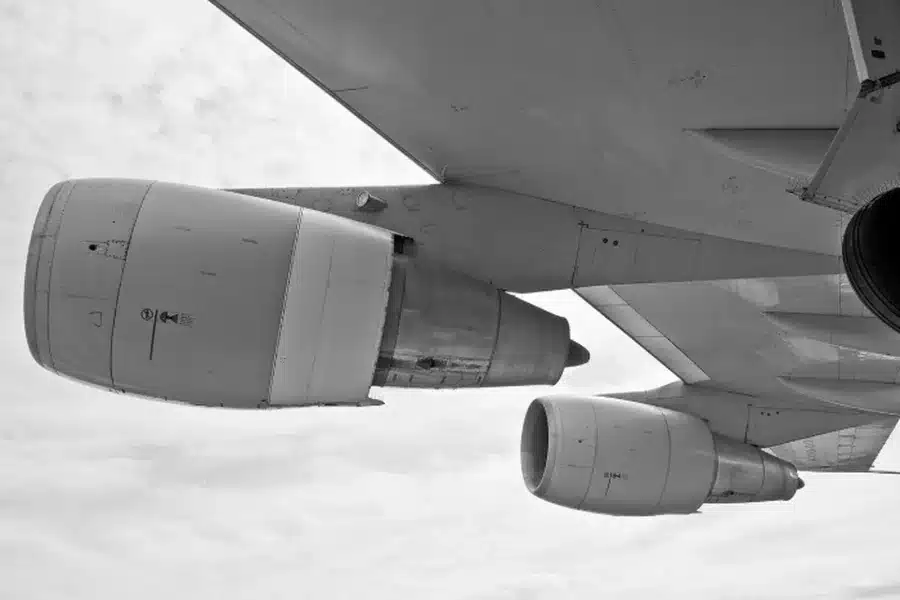
It does not matter whether you are a pilot, a mechanic, or simply work in the field of aviation; you already know that operating an aircraft is a costly responsibility that requires a balance between performance, safety, and efficiency. Whether you are managing a private plane or a commercial flight, minimizing costs without compromising safety standards is possible. Yes, you read it right! At the core of this possibility, you will find smart and effective maintenance strategies and efficient use of technology.
Invest in High-Quality Materials
You should never try cutting corners on maintenance materials, especially when it comes to the aircraft. You should know that cutting costs on materials might feel like a great way to save money; however, it often causes higher costs down the road. With that said, investing in high-quality components, such as Michelin tires for aircrafts, can ensure improved fuel efficiency, durability, and fewer repairs.
We cannot stress enough the importance of partnering up with trusted, reliable, and high-quality aviation brands, such as Pilot John International, as the right brand can make a big difference. You should know that with the use of high-quality maintenance materials, you can ensure that your aircraft performs better and goes through less wear and tear.
Prioritize Preventive Maintenance
You might already know that prevention is always cheaper than fixing an entire problem. With that said, it is in your best interest to follow a schedule for regular preventive maintenance. While you are at it, you can actually identify issues before they transform into expensive repairs.
When it comes to preventive maintenance, you must ensure fluid level checks, the inspection of critical systems, and regular engine maintenance. All of these aspects can ensure that you can actually maintain the efficiency and safety of your aircraft.
Optimize Fuel Efficiency
You should know that aircraft fuel is actually one of the biggest expenses in the field of aircraft operation. Your best bet is smart flight planning, as it can help you minimize fuel consumption. What is even better, you can take advantage of modern flight management systems. Using voice assistants, you can accurately calculate the most efficient flying routes, best speeds, and best altitudes.
While you are at it, make sure to remove unnecessary weight from the aircraft. Simultaneously, you must ensure to maintain aerodynamic efficiency while avoiding unnecessary idling, especially during ground operations. You will be surprised to know how smart flight planning can positively contribute to significant fuel savings.
Train Your Team on Cost-Effective Practices
You cannot deny the fact that a well-trained crew is absolutely mandatory for aircraft efficiency and safety. With that said, you must make sure that all crew, including the pilots and technicians, are well-trained and familiar with the latest updates.
You should know that while providing training sessions, make sure that the training sessions are focused on eco-friendly flying strategies and efficient maintenance procedures. By doing so, you can minimize potential waste and reduce operational errors.
Rest assured; once every crew member understands how to operate the aircraft efficiently, the entire aircraft or organization can actually take advantage of lower costs and smooth operations.
Conclusion
Keeping aircraft operating costs low does not mean compromising safety. The key lies in smart choices: investing in high-quality materials that reduce long-term expenses, following a strict preventive maintenance schedule to avoid costly repairs, optimizing fuel efficiency through careful planning and modern systems, and ensuring your crew is trained in cost-effective practices. When these strategies work together, they create a balance where safety remains uncompromised and efficiency is maximized. The result is an aircraft operation that runs smoothly, saves money, and maintains the highest standards of aviation performance.