How to Make Sure Your Commercial Centrifugal Pump Flows Just Right
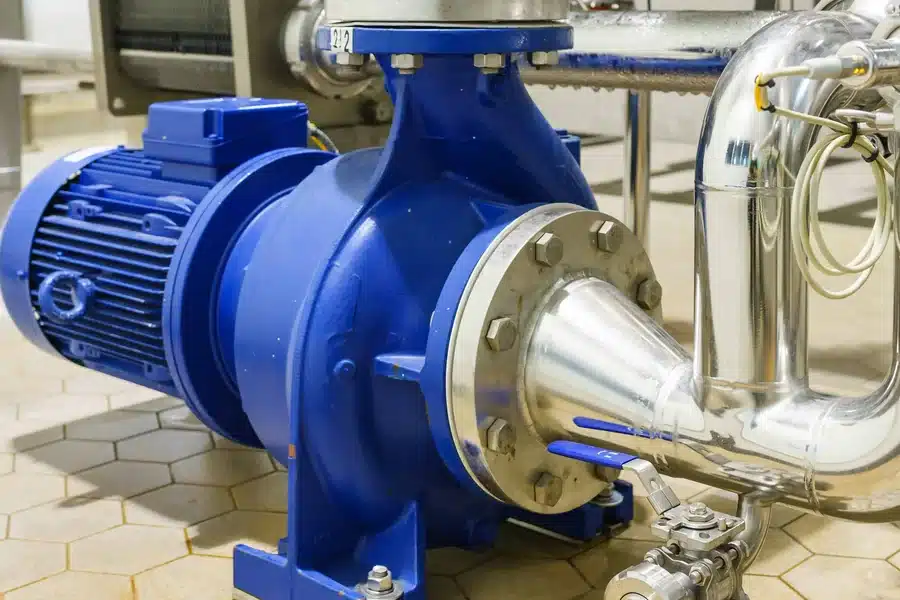
Keeping Everything Moving (Literally)
If you’ve ever run a business that depends on water, chemicals, or even the magic of syrup in a bottling line, you know one thing—if the pump under-delivers, everything just feels off. Suddenly, tanks aren’t filling, lines are stalling, and someone’s bound to give you the look that says, “What now?” Sound familiar? Getting your commercial centrifugal pump to flow at the rate you want is a blend of art, science, and, yes, a little bit of everyday troubleshooting.
Start With the Basics: What Did You Even Ask For?
First things first: dig up that spec sheet (if you’re like me, it’s probably stashed next to twelve leftover gaskets). There’s a reason engineers map out all those numbers—there’s usually an “ideal” flow rate the pump was built for. Stray too far from this sweet spot, and you’ll run into headaches. So, step one is just knowing what your pump ought to be doing in the first place.
How Do You Know If You Have a Flow Problem?
Here’s a little checklist I wish someone had handed me years ago:
- Gauges suddenly sagging or reading weird? That’s a clue.
- The sound of the pump changes—it drones, hums, or clatters different from before.
- Systems downstream aren’t getting enough product, or maybe they’re flooding.
If you notice any of these, your pump might be struggling, and it’s time to figure out why.
What Messes With Pump Flow (aka “Why Won’t This Just Work?”)
Lots of little things mess with flow. Here are the big factors impacting centrifugal pump flow rate that you actually care about:
Clogs and restrictions: Even tiny bits of debris can slow things down. If yours is a system prone to gunk (think food service, or just not-great source water), try regular cleaning and double-check screens or strainers.
Valve trouble: If someone’s halfway closed a valve—intentionally or because they “thought it wasn’t important” (looking at you, Jim)—your flow rate will dip fast. Walk the line, flip the handle, and see if things get better.
Suction side issues: Centrifugal pumps are a bit touchy about what’s happening before they ever move a drop. If there’s not enough juice (a.k.a. low incoming pressure), you’re gonna get vapor bubbles—something called cavitation—which can literally eat away your pump from the inside. If things sound like marbles rattling around, time to shut down and investigate.
The right size for the job: Maybe the pump was perfect day one, but now business is booming and you’re asking it to do more. Don’t be shocked if it lags; sometimes upgrading is unavoidable.
Pipework counts: Long, windy pipes, sharp turns, or pipes that are too small increase resistance and drop flow. Try mapping out your system to spot choke points.
The Power Factor
Don’t forget to check if your pump’s motor is up to the task. If it’s getting old, overheating, or was undersized to start, it just might not have the muscle anymore. Swap it before it dies completely and ruins your Monday.
Keep It Flowing, Keep It Simple
At the end of the day, pumps need a little attention—check the gauges, listen for weird sounds, clear out anything clogging the works, and trust the numbers. Your business depends on things moving at the right pace, and so does your sanity. With a watchful eye, you’ll keep that flow (and your operations) running smooth as ever. And that, my friend, never gets old.