
Keeping Your Business Open While Commercial Painters Refresh Your Wellington Premises
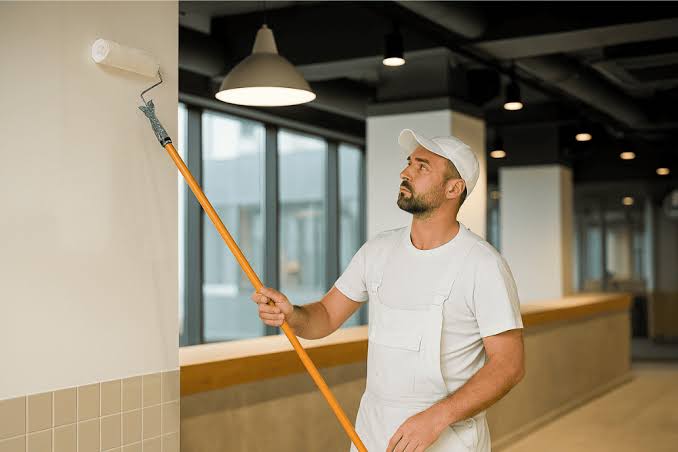
A fresh commercial paint job can improve a workplace, but closing your doors during the work can interrupt staff routines, customer access, and daily revenue. Wellington businesses need a painting plan that protects operations while allowing proper preparation and finish time for each surface. The right schedule, communication, and site controls keep the project moving without turning the workplace into a building site.
Plan the Work Around Business Hours
Start with a site discussion that maps how people use the premises throughout the day. Before the painting team arrives, identify reception areas, meeting rooms, loading points, shared facilities, staff kitchens, and customer pathways. This prevents wet surfaces, equipment, or stored materials from blocking essential routes.
A staged programme keeps unaffected areas open while painters complete one zone at a time. For example, a business could move staff into one meeting room while the team prepares and paints another. The team can then shift to the next space once the first area is ready for use.
To ensure reliable coordination, commercial painters in Wellington should receive a clear operating schedule before work begins. Share opening hours, delivery periods, busy customer times, security arrangements, and any areas that require uninterrupted access. This information helps the painting team plan daily tasks around the business rather than expecting the business to work around the project.
Choose a Schedule That Limits Disruption
Some tasks fit within normal trading hours, while others need quieter periods. Interior preparation, spot repairs, and painting in a closed room can often happen during the day when barriers separate the work from occupied areas. Larger equipment movements or work in entrances usually fit better after closing.
A practical schedule should identify:
- Areas available during normal operating hours.
- Rooms reserved for evening or weekend work.
- Daily access and lock-up responsibilities.
- Times for deliveries, ventilation, and surface checks.
Ask for a written programme that separates preparation, coating, drying, and final checks. Paint requires suitable drying conditions before furniture, signs, or equipment return to a room. A rushed handover creates marks and touch-ups, which extend disruption rather than reducing it.
Prepare Staff, Customers, and the Site
Clear communication prevents confusion when familiar spaces look different. Tell staff which entrances remain open, where temporary walkways sit, and which rooms they must avoid. Customer notices should use plain language and direct people to an accessible alternative route.
Move fragile equipment, personal items, and removable wall displays before preparation starts. Cover fixed furniture and protect floors, counters, computers, and stock according to the work plan. The business should also nominate one contact person who can approve access decisions and report urgent issues.
A short daily check keeps the arrangement practical. Confirm which area is under work, which route is open, and whether the next stage affects deliveries or appointments. This simple routine gives staff useful information without creating long meetings.
Protect Safety, Cleanliness, and Air Quality
Commercial painting requires separating the work area from occupied space. Barriers, warning signs, and controlled access keep people away from wet coatings, tools, ladders, and preparation dust. The contractor should explain how the site will remain orderly while work continues.
Ventilation also needs attention, particularly in enclosed rooms. Agree on which doors, windows, or mechanical systems can remain open during and after painting. Keep food preparation areas, sensitive equipment, and occupied rooms clear of airborne dust and strong odours until the area is ready for use.
End-of-day housekeeping matters just as much. Tools and materials should leave walkways clear, waste should go into suitable containers, and access points should remain secure. A clean site lets the business reopen with fewer delays the following morning.
Check the Finish Before the Final Handover
Conduct a final inspection in good lighting and include the person responsible for the premises. Check walls, ceilings, trims, doors, exterior surfaces, and any repaired areas against the agreed scope. Look for missed sections, uneven coverage, drips, accidental marks, or damage to nearby fittings.
Record outstanding work before furniture and equipment return to the space. The painting team can then address small corrections while access remains available, rather than arranging a second visit after the area becomes busy again.
Keep the final colour details, care instructions, and maintenance notes with the building records. These details help match future repairs and guide cleaning staff on newly painted surfaces. A controlled handover protects the finished work and properly closes the project.
Conclusion
A business can remain open during a commercial repaint when the work is divided into manageable zones and scheduled around real operating demands. Begin with a detailed site plan, assign one decision-maker, communicate changes daily, and inspect each area before reopening it. Request a practical programme from a Wellington painting contractor, then confirm access, safety, cleaning, and handover arrangements in writing.