Legal Options For Injured Construction Workers in Austin
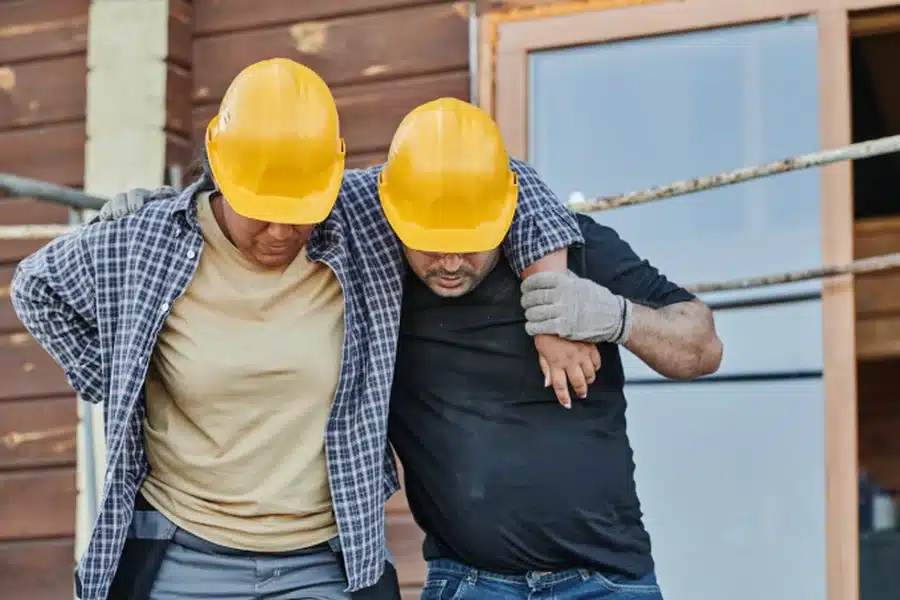
If you’re a construction worker in Austin who’s been injured on the job, you’ve got several legal paths to consider for compensation. It’s crucial to know your rights and the options available, from filing a workers’ compensation claim to exploring third-party liability and personal injury suits. Navigating these choices can feel overwhelming, but understanding the landscape is key to securing what you deserve. So, what steps should you take next?
Understanding Workers’ Compensation in Texas
When you’re navigating the aftermath of a construction injury in Texas, understanding workers’ compensation is crucial. This system provides benefits to help cover medical expenses, lost wages, and rehabilitation costs. In Texas, employers aren’t required to have workers’ comp insurance, but many do. If your employer has coverage, you’ll need to report your injury promptly to ensure you receive benefits. It’s essential to keep detailed records of your medical treatments and any communication with your employer. This can help you in the claims process, ensuring you receive what you’re entitled to. If your employer doesn’t have insurance, you might have to explore other legal options. Remember, consulting with a knowledgeable attorney can guide you through this complex process.
Eligibility Criteria for Workers’ Compensation
To qualify for workers’ compensation benefits in Texas, you must meet specific eligibility criteria. First, you need to be an employee, not an independent contractor or volunteer. Your employer should have workers’ compensation insurance, as Texas law doesn’t require it. Here’s what else you’ll need:
- Job-related injury or illness: The injury must have occurred while performing work duties.
- Timely reporting: You must report the injury to your employer within 30 days.
- Medical evaluation: A healthcare provider should confirm and document your injury or illness.
- Compliance with procedures: Follow all necessary procedures and deadlines for filing.
Meeting these criteria is crucial for receiving benefits. If you don’t, you might miss out on the compensation you deserve.
How to File a Workers’ Compensation Claim
So how do you go about filing a workers’ compensation claim in Texas? First, report your injury to your employer immediately. You’ve got 30 days from the date of the injury to do this. Next, see a doctor authorized by your employer’s workers’ compensation insurance network for evaluation and treatment. This is crucial for documenting your injury. After reporting and receiving medical care, your employer should provide you with the necessary claim forms. Fill them out accurately and promptly. Once completed, submit these forms to your employer’s insurance company. Keep copies of everything. The insurance company will review your claim and notify you of their decision. Remember, acting quickly and following each step carefully increases your chances of a successful claim.
Common Challenges in Workers’ Compensation Claims
Navigating the workers’ compensation claims process can be fraught with various challenges that might catch you off guard. You might face obstacles that complicate your path to receiving benefits. Awareness of these common issues can help you stay prepared.
- Delayed Payments: Waiting for benefits can strain your finances. Timely follow-ups are crucial.
- Claim Denials: Your claim might be denied due to paperwork errors or insufficient medical evidence, so ensure accuracy and thorough documentation.
- Employer Disputes: Employers might contest claims to avoid increased premiums. Be ready to provide proof of your injury and its impact.
- Medical Evaluations: Disagreements with your medical assessment can arise, affecting your compensation. Seek second opinions if necessary.
Understanding these challenges can better equip you to handle them effectively.
Exploring Third-Party Liability Claims
When you’re injured on a construction site, it’s crucial to look beyond your employer for potential third-party liability. Identifying responsible third parties, such as equipment manufacturers or subcontractors, can open up additional avenues for compensation. To succeed in these claims, you’ll need to prove that another party’s negligence contributed to your injury.
Identifying Responsible Third Parties
Identifying responsible third parties is crucial when pursuing third-party liability claims after a construction accident. You need to pinpoint those who may have contributed to your injury. It’s not just about the main contractor; other parties can be liable too. Look beyond the obvious and consider:
- Equipment Manufacturers: Faulty machinery or tools could be responsible for your injuries.
- Subcontractors: They might’ve failed in maintaining safety standards on-site.
- Property Owners: They could be accountable if they neglect to address hazardous conditions.
- Architects or Engineers: Design flaws or structural failures might lead to potential liability.
Each party’s involvement may affect your case’s outcome. By identifying all responsible entities, you increase the chances of receiving fair compensation for your injuries.
Types of Third-Party Claims
After pinpointing responsible third parties, it’s time to explore the types of third-party claims you can pursue. You might consider a product liability claim if defective machinery or safety equipment caused your injury. This involves holding manufacturers or suppliers accountable for producing unsafe products. Alternatively, if a subcontractor or another company’s employee acted negligently, you could file a negligence claim against that party. Perhaps a property owner failed to maintain a safe work environment; in this case, a premises liability claim could be appropriate. Each claim type targets specific parties and circumstances, allowing you to seek compensation outside of workers’ comp. Understanding these avenues lets you maximize your potential recovery and ensures you’re holding all liable parties responsible for your injuries.
Proving Third-Party Negligence
Establishing third-party negligence is crucial for a successful liability claim. You must demonstrate that another party’s actions or inaction directly led to your injury on the construction site. Start by gathering evidence that supports your case. Here’s what you should focus on:
- Document the Scene: Take photos or videos of the accident location and any hazards that contributed to your injury.
- Witness Statements: Collect contact details and statements from anyone who saw the accident occur.
- Expert Opinions: Consult professionals who can provide testimony on safety standards and how they were breached.
- Official Reports: Acquire copies of any incident reports or safety violation records related to the case.

Pursuing a Personal Injury Lawsuit
When you’re dealing with injuries from a construction accident, diving into a personal injury lawsuit might seem daunting, but it can be a crucial step in seeking compensation for construction-related injuries. Begin by gathering all relevant evidence, including medical records and accident reports. This documentation will support your claims and illustrate the extent of your injuries. Hiring a skilled personal injury attorney is essential. They’ll guide you through the legal process, negotiate with insurance companies, and fight for a fair settlement. Keep communication open and provide any necessary information to your lawyer promptly. Remember, time is of the essence; there are deadlines for filing lawsuits, known as statutes of limitations, which can affect your case. Take action to protect your rights.
The Role of Negligence in Construction Accidents
When facing a construction accident, you need to understand how negligence plays a role in your case. Proving employer negligence can be crucial, as it involves showing they failed to maintain a safe work environment. Don’t forget to consider third-party liability, as other contractors or equipment manufacturers might also share responsibility.
Proving Employer Negligence
Although construction sites are inherently dangerous, employers have a responsibility to ensure safety measures are in place to protect their workers. If you’re injured, proving employer negligence is crucial. You’ll need to demonstrate that your employer failed in their duty of care. Here’s how you can establish negligence:
- Document Safety Protocols: Check if the employer provided proper safety protocols and training.
- Identify Safety Violations: Note any safety regulations that were ignored or violated.
- Gather Witness Statements: Collect statements from co-workers or supervisors who can testify about unsafe conditions.
- Keep a Record of Equipment Maintenance: Evidence of poorly maintained equipment can support your claim.
These steps can help strengthen your case, showing that your employer didn’t uphold their safety obligations.
Identifying Third-Party Liability
Beyond employer negligence, construction accidents can also involve third-party liability, playing a significant role in determining accountability. You might face injuries due to faulty equipment, which could implicate manufacturers or suppliers. If a subcontractor’s negligence led to unsafe conditions, they might be liable for your injuries. Identifying these third parties is crucial in pursuing full compensation.
To establish third-party liability, you’ll need to prove that their negligence directly caused your accident. Gather evidence like accident reports, witness statements, and expert testimonies. An experienced attorney can help you navigate this process, ensuring that all responsible parties are held accountable. Remember, identifying third-party liability not only maximizes your compensation but also promotes safer practices across the industry, protecting you and your colleagues.
Statute of Limitations for Injury Claims in Texas
In Texas, the statute of limitations is a critical factor to consider when filing an injury claim, as it typically sets a two-year deadline from the date of the accident. Missing this deadline could mean losing your right to pursue compensation, so it’s crucial to act promptly. Here are some key points to keep in mind:
- Deadline Awareness: Always note the exact date of your accident.
- Documentation: Keep thorough records of medical treatments and related expenses.
- Prompt Action: Seek legal advice early to ensure your claim is filed in time.
- Exceptions: Some situations, like involving a minor, might extend the deadline.
Understanding these timelines helps protect your rights and ensures you’re not left without options due to a missed deadline.
The Importance of Legal Representation
Navigating the legal landscape after a construction injury can be overwhelming, making legal representation not just beneficial but essential. You’re dealing with complex laws, medical bills, and potential loss of income. A skilled attorney helps you understand your rights and ensures you’re not taken advantage of by insurance companies or employers. They handle the paperwork and legal procedures, giving you the time to focus on recovery.
Legal representation strengthens your case by gathering evidence, interviewing witnesses, and negotiating settlements. An attorney knows how to maximize compensation for your injuries, pain, and suffering. They advocate for your best interests, ensuring you receive the justice you deserve. Without legal assistance, you might miss out on rightful compensation or make costly mistakes in your claim.
Finding the Right Attorney for Your Case
Choosing the right attorney is crucial for a successful construction injury claim, as not all lawyers have the expertise needed for these specific cases. You want someone who understands the nuances of construction law and can navigate the complexities of your case efficiently. Here’s what to look for:
- Experience in Construction Injury Cases: Ensure they’ve handled cases like yours before.
- Strong Track Record: Look for a history of winning settlements and verdicts.
- Clear Communication: They should explain legal terms in plain language.
- Availability: Choose someone who’s accessible and responsive to your needs.
These qualities are non-negotiable when finding the right attorney. With the right legal support, you’ll increase your chances of a favorable outcome in your construction injury claim.