
Lie Detector Tests In Custody And Legal Disputes: How They’re Used
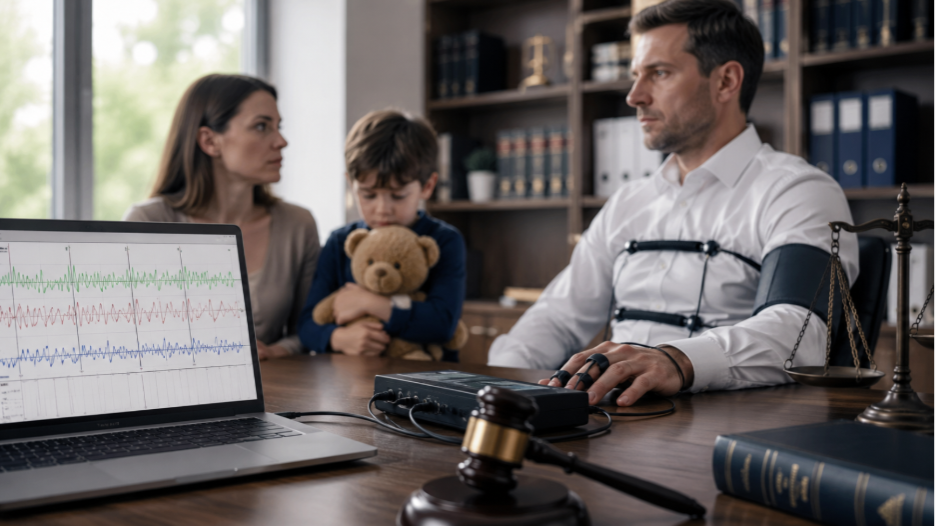
When a court case is reduced to a battle of will between two parties, it is difficult to determine the truth. Regardless of whether it involves a custody dispute, family dispute, or another legal issue, it is easy to get confused with conflicting statements and wonder what exactly occurred. Consequently, lawyers and investigators tend to seek other means of assessing credibility beyond the interviews and documents.
This is the point where a polygraph test can be introduced into the process. It is not an alternative to legal evidence or even a court decision, but it may serve as an additional source of information when certain facts are in dispute.
In this article, you'll learn how lie detector tests are used in custody and legal disputes and where they may fit within the broader legal process.
1. Verify Conflicting Statements During Custody Disputes
When parents disagree about important events, establishing the facts can become difficult.
Under such circumstances, a lie detector test can be applied to test certain controversial statements and offer more data to attorneys and investigators. Rather than determining which parent must be given custody, the test is concerned with ascertaining whether certain claims of fact are truthful.
As one example, a custody conflict can be the accusations about missed visitations, breaking parenting agreements, or the complaints about a particular situation with a child. Instead of using different accounts, a professionally conducted polygraph test may be used to determine the validity of those statements as part of a larger investigation.
Nevertheless, polygraph tests are tailored to answer objective facts rather than opinions and personal judgments. They are unable to decide which parent is kinder and more competent. Rather, well-structured questions revolve around whether or not a certain event happened or whether or not a certain statement is factual.
Due to its narrow scope, the examination can be used by attorneys to better understand the issues in dispute before determining how to proceed with the case.
2. Support Attorneys During Legal Case Preparation
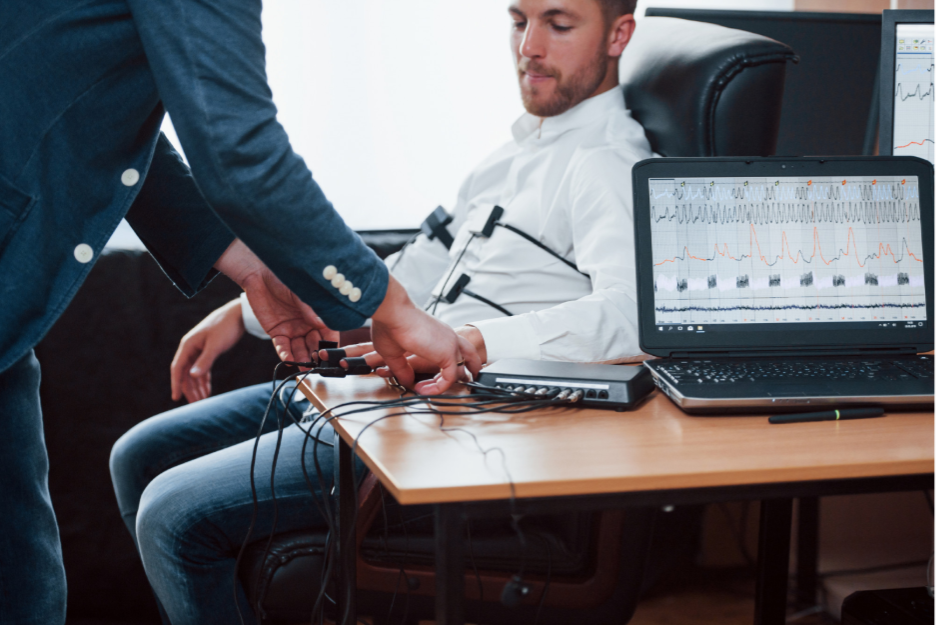
Before formulating a case strategy, legal professionals usually collect information from a variety of sources. In addition to interviewing witnesses, reviewing documents, and other evidence, a polygraph examination can serve as a second point of view in case of uncertainty about the essential facts.
As an example, a lawyer can suggest tests to assess the statements of a client prior to litigation or to get to know the conflicting testimony of another party better. The findings can be used to detect anomalies, find out whether to conduct further research, or reinforce negotiation preparation.
Attorneys also sometimes employ polygraph tests in the preparation of criminal defense cases, restraining order cases, or other cases in which credibility is an important factor. Because multiple court cases are based on conflicting versions of the same occurrence, more information could lead to more informed legal choices.
With that said, polygraph tests are not the only component of the assessment. When creating or defending a case, attorneys still use documentation, witness testimony, and relevant laws.
3. Assist Investigations When Evidence Is Limited
Not all legal disputes have high-quality physical evidence, and it can be hard to prove the claims of either side. In the absence of documents, photographs, or other independent witnesses, a polygraph examination is another investigative tool that can be employed by investigators.
The examination does not substitute for traditional investigative methods but complements them. It gives supplementary details that can assist investigators in assessing statements, ranking leads, or deciding whether further investigation is necessary.
This practice may be useful in family-related conflict, civil cases, and other legal scenarios where credibility is a factor of concern. To illustrate, when both parties provide conflicting stories and there is a lack of substantiating evidence, the investigation can assist the investigators in evaluating the facts in dispute more objectively.
Professional polygraph examinations also include a detailed pre-test interview, carefully developed questions, the examination itself, and a written report. Through systematic examination processes, qualified examiners assist in ensuring that the examination is driven towards particular problems that are directly pertinent to the legal case.
4. Encourage Resolution In Family and Civil Legal Disputes
Not every legal dispute ends in a courtroom. Many family and civil matters are resolved through negotiations, mediation, or settlement discussions. In these situations, a polygraph examination may help both parties better understand disputed facts before reaching an agreement.
For example, divorce-related disagreements, property disputes, restraining order matters, and other civil conflicts often involve allegations that are difficult to verify independently. An objective examination may provide additional information that encourages more productive discussions or helps attorneys evaluate potential settlement options.
Even when a case proceeds through the legal system, the role of the examination remains the same. It serves as an investigative tool that supports fact-finding rather than replacing judicial review. Courts also differ in how they treat polygraph evidence, meaning admissibility depends on the laws and rules that apply in a particular jurisdiction.
For that reason, legal professionals generally view polygraph testing as one component of a comprehensive case evaluation. When used alongside interviews, documentation, and other investigative methods, it can contribute meaningful information while allowing judges and courts to make the final legal determination.
Conclusion
Custody disputes and legal conflicts often involve disputed facts that cannot be resolved through statements alone. In these situations, a professionally administered polygraph examination can provide additional information by evaluating specific factual claims and supporting broader investigative efforts.
Whether it is used to verify conflicting statements, assist attorneys during case preparation, strengthen investigations with limited evidence, or support settlement discussions, a lie detector test serves as a valuable investigative resource rather than a substitute for legal evidence.
When conducted by experienced professionals and used alongside other forms of investigation, it can help legal professionals make better-informed decisions while keeping the focus on establishing the facts.