Pregnancy Nutrition: Foods That Help and Foods to Avoid
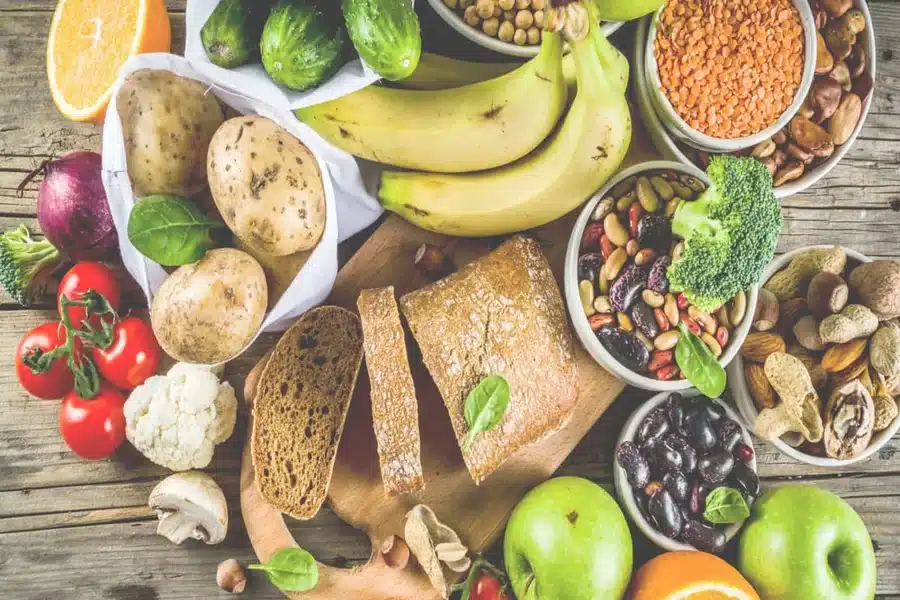
Pregnancy is one of the most important phases in a woman’s life, and nutrition plays a huge role in ensuring both mother and baby stay healthy. What you eat during these nine months directly impacts your baby’s growth and development. While cravings are natural, it’s important to know which foods support a healthy pregnancy and which ones should be limited or avoided.
Why Pregnancy Nutrition Matters
During pregnancy, your body needs extra vitamins, minerals, and proteins to support the baby’s development. A balanced diet helps in reducing complications like anemia, low birth weight, and gestational diabetes. Eating the right foods also keeps your energy levels stable and strengthens your immunity.
Foods That Help During Pregnancy
- Fruits and Vegetables
Fresh fruits and leafy greens are packed with vitamins, minerals, and fiber. Oranges, bananas, spinach, and carrots help with digestion and boost immunity.
- Whole Grains
Brown rice, oats, and whole wheat bread provide energy and keep blood sugar levels steady.
- Protein-Rich Foods
Eggs, lean meat, beans, lentils, and dairy products help in the baby’s muscle and brain development.
- Calcium Sources
Milk, cheese, and yogurt strengthen bones and teeth for both mother and child.
- Iron-Rich Foods
Red meat, green leafy vegetables, and legumes prevent anemia, a common pregnancy concern.
- Omega-3 Fatty Acids
Found in fish like salmon and flax-seeds, they support the baby’s brain and eye development.
- Plenty of Water
Staying hydrated reduces constipation, prevents urinary infections, and supports healthy amniotic fluid levels.
Foods to Avoid During Pregnancy
- Raw or Under cooked Meat and Eggs – These can carry harmful bacteria.
- High-Mercury Fish – Fish like swordfish and king mackerel may affect the baby’s nervous system.
- Unpasteurized Dairy – Can increase the risk of infections.
- Caffeine and Sugary Drinks – Too much caffeine may lead to low birth weight.
- Processed and Junk Food – High in unhealthy fats and salt, they provide little nutrition.
- Alcohol – Should be strictly avoided as it can cause developmental issues in the baby.
Tips for a Balanced Pregnancy Diet
- Eat small, frequent meals instead of heavy ones.
- Include colorful fruits and vegetables daily.
- Take prenatal vitamins as advised by your doctor.
- Avoid crash diets or skipping meals.
- Listen to your body’s hunger cues but balance cravings with healthy choices.
Emotional and Lifestyle Aspects of Nutrition
Pregnancy is not just about physical health but also emotional well-being. Healthy eating helps manage mood swings, reduces fatigue, and improves sleep quality. Along with diet, light exercise, proper rest, and regular doctor visits create a strong foundation for a safe pregnancy journey.
Final Thoughts
Pregnancy nutrition is about balance—choosing foods that support your baby’s growth while avoiding those that can be harmful. Every woman’s needs are unique, so consulting with experienced doctors is essential. If you are looking for guidance and comprehensive maternity care, the best maternity hospital in Pimpri Chinchwad offers expert support throughout pregnancy. You can also consult the best gynecologist in Pimpri Chinchwad to get personalized nutrition advice and ensure a smooth pregnancy journey.