Step‑by‑Step: How Contaminated Land Assessment Works and Why It Matters
Introduction
Contaminated land is a major issue across Australia, posing significant financial and safety risks. For anyone looking to redevelop or change the land use of a property, unknown hazards can emerge at any time, threatening both your investment and the health of workers. A professional contaminated land assessment is a critical part of your risk management process. This site investigation helps you understand the condition of your property, ensuring it is safe and suitable for its proposed new purpose; for further information, consult with experienced professionals.
Understanding Contaminated Land in Australia
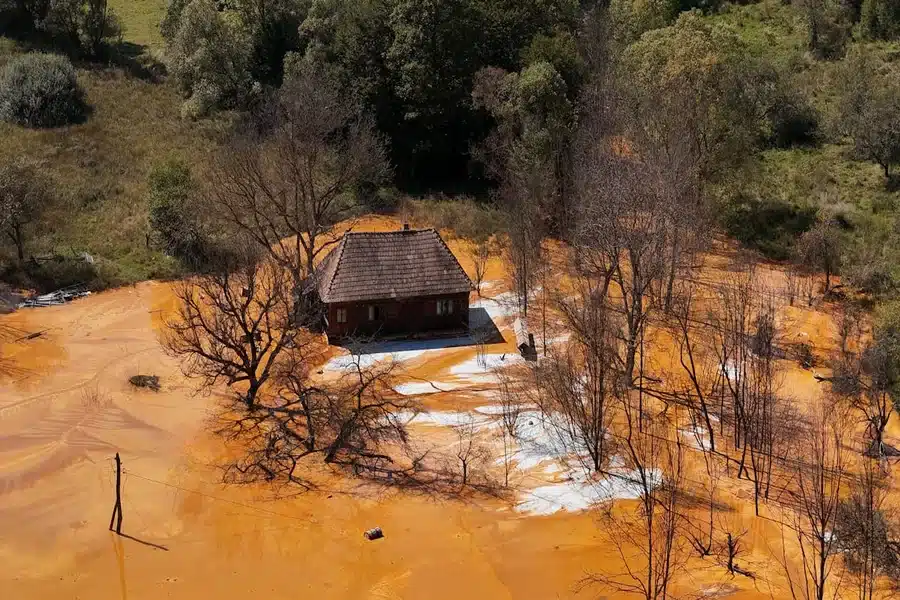
Contaminated land is soil affected by hazardous substances, often from past industrial activities like mining, waste disposal, or leaking underground tanks. Agricultural use of pesticides can also cause groundwater contamination and soil contamination. Common contaminants include asbestos, heavy metals, and chemicals.
Understanding a site’s history and contamination risk before starting a project is essential. This helps avoid unexpected cleanup costs and ensures compliance with environmental and health regulations.
Why Contaminated Land Assessment Matters
A contaminated land assessment is crucial in property development or acquisition. Its main goal is to protect human health and the environment by identifying risks and potential human health risks from land contamination. Without it, you risk exposing future residents, workers, and the community to harmful substances.
This assessment of surface water is essential due diligence. It gives you key information to make informed decisions, estimate remediation costs, negotiate prices, and set contract terms. This foresight protects your investment and prevents unexpected expenses.
Ultimately, an assessment confirms if the land is suitable for its intended use—residential, commercial, or recreational—by identifying risks early for safe planning and successful project completion.
When Is a Contaminated Land Assessment Needed?
When should you schedule a contaminated land assessment? Typically, when changing land use or submitting a planning application. If the site’s history suggests possible contamination, an assessment is often necessary.
This step is crucial for due diligence in property transactions, clarifying the land’s condition and potential liabilities. An initial review of historical data may reveal the need for further investigation.
You’ll usually need an assessment when:
- Redeveloping former industrial sites for residential use
- Applying for reasoning or development approval
- Historical reviews suggest past contaminating activities
- Buying land with an unknown or suspicious history
Who Is Responsible for Contaminated Land Assessment?
Responsibility for contaminated land typically falls to the landowner, who must assess and manage the level of risk from contamination—especially before redevelopment.
Regulatory agencies also play a role. In many Australian states, the Environmental Protection Authority (EPA) can investigate and require audits if contamination is suspected. Planning authorities may require site assessments as part of development approvals to ensure compliance.
Hiring a qualified contaminated land consultant is recommended. They oversee assessments, ensuring all legislative requirements are met and satisfying regulatory authorities.
Key Steps in the Contaminated Land Assessment Process
The contaminated land assessment process is systematic and phased to effectively identify and evaluate risks. It begins with a preliminary risk screen assessment and a Preliminary Site Investigation (Phase 1), which includes a desk study of historical data, followed by a Detailed Site Investigation (Phase 2) that involves on-site work if necessary. This step-by-step approach ensures the investigation is thorough and cost-effective.
Site History Review (Preliminary Site Investigation)
The Preliminary Site Investigation, or Phase 1 assessment, is the first step and starting point in evaluating a site. It’s a desk study with no physical digging or sampling, focusing on site history to identify potential contamination.
Consultants review historical records, land titles, and aerial photos to determine if past activities—like factories or gas stations—could have caused contamination. This information helps build an initial conceptual site model.
A thorough historical review is vital because old contamination can still affect future use. The findings decide if further investigation is needed or if the site is likely free of major potential risks and contamination concerns.
On-Site Sampling and Detailed Site Investigation
If the preliminary review finds possible contamination, the next step is a Detailed Site Investigation (Phase 2). This intrusive assessment, which may require further assessment, confirms the presence, type, and extent of contamination, starting with a site walkover for visual inspection.
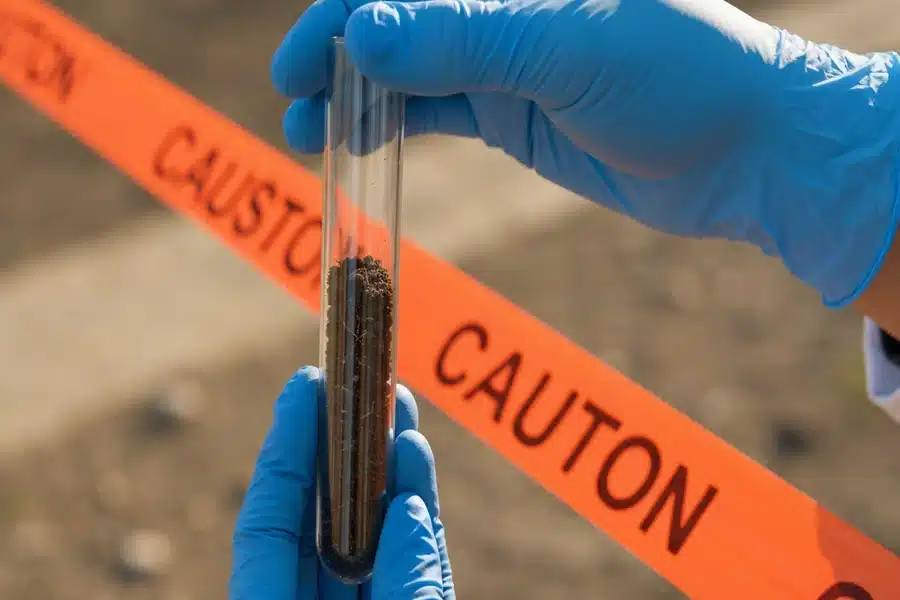
Soil and groundwater samples are then collected from key locations and sent to labs to test for contaminants like heavy metals, asbestos, or chemicals from past industrial use. This process identifies specific areas of concern, including groundwater risks associated with public open space.
The results provide solid evidence about site conditions, forming the foundation for risk assessments and any needed remediation plans.
Risk Assessment and Interpretation of Investigation Data
After completing site investigation and lab analysis, the data is interpreted through risk assessment in consultation with the local authority. This step evaluates the impact on human health and the environment—not just identifying contamination, but assessing its risk.
The assessment reviews site specifics, potential contamination sources, contaminant types, and potential effects on people or ecosystems. It determines if risks are unacceptable based on planned land use; for example, acceptable contaminant levels differ between industrial parks and playgrounds. The conceptual site model links contamination sources to possible receptors.
Risk assessment focuses on the connection between contaminant, pathway, and receptor:
| Component | Description |
| Source | Where the contaminant originates (e.g., leaking underground tank). |
| Pathway | How it moves (e.g., soil, air, groundwater). |
| Receptor | Who or what could be affected (e.g., people, animals, plants). |
Understanding Risks and Outcomes of Assessment
A contaminated land assessment identifies environmental and health risks, providing essential information for decision-making. A thorough assessment not only uncovers potential environmental risks but also significant contamination that can lower property value due to costly remediation, but a clear report reduces uncertainty for buyers or developers by clarifying site conditions and necessary actions.
The report details risk levels and offers management recommendations, from basic mitigation to full cleanup. This clarity enables confident planning, ensuring the land is safe for its intended use.
What Happens After Contamination Is Identified?
Contamination on your site doesn’t have to halt your project. Once confirmed, the focus shifts to assessment, management, and planning scheme amendments for remediation. Further evaluation defines the extent of the issue, followed by a Remedial Action Plan (RAP) that outlines cleanup strategies.
The RAP details remediation techniques and measures to make the site safe for future use—either removing or containing contaminants to eliminate risk, taking into account the site characteristics. This process is crucial for regulatory approval and long-term environmental protection, transforming a contaminated site into a safe, valuable asset.
Conclusion
Understanding contaminated land assessment is essential for protecting public health and the environment. This step-by-step process identifies hazards and guides remediation and risk management. Key steps include site history review, on-site sampling, and risk assessment—all crucial for effective, detailed assessment and contamination management. Prioritising these assessments safeguards communities and ecosystems. For expert help with contaminated land assessments, contact us for a free consultation.
Frequently Asked Questions
How long does a typical contaminated land assessment take in Australia?
The timeline varies depending on the project’s complexity. A preliminary site investigation (Phase 1) can often be completed in a few weeks, including a site visit. However, a detailed site investigation (Phase 2) takes longer due to on-site work, laboratory analysis, and reporting, potentially spanning several weeks to months, especially for complex sites requiring due diligence.
What information is included in a contaminated land assessment report?
A comprehensive report includes the site history, findings from the site investigation, and detailed results from laboratory analysis. It also provides a thorough risk assessment that evaluates contamination risks to health and the environment, along with clear recommendations for any necessary intrusive investigation, remediation, or management actions.
Can all contaminated sites be fully remediated for safe use?
While many sites can be fully cleaned up, it’s not always necessary or practical. Risk management can be an effective alternative. A remedial action plan might focus on containing contaminants and implementing specific land use planning controls to mitigate any unacceptable risk, ensuring the site is safe for its proposed use.