The Life of a Sports Journalist: What It’s Really Like
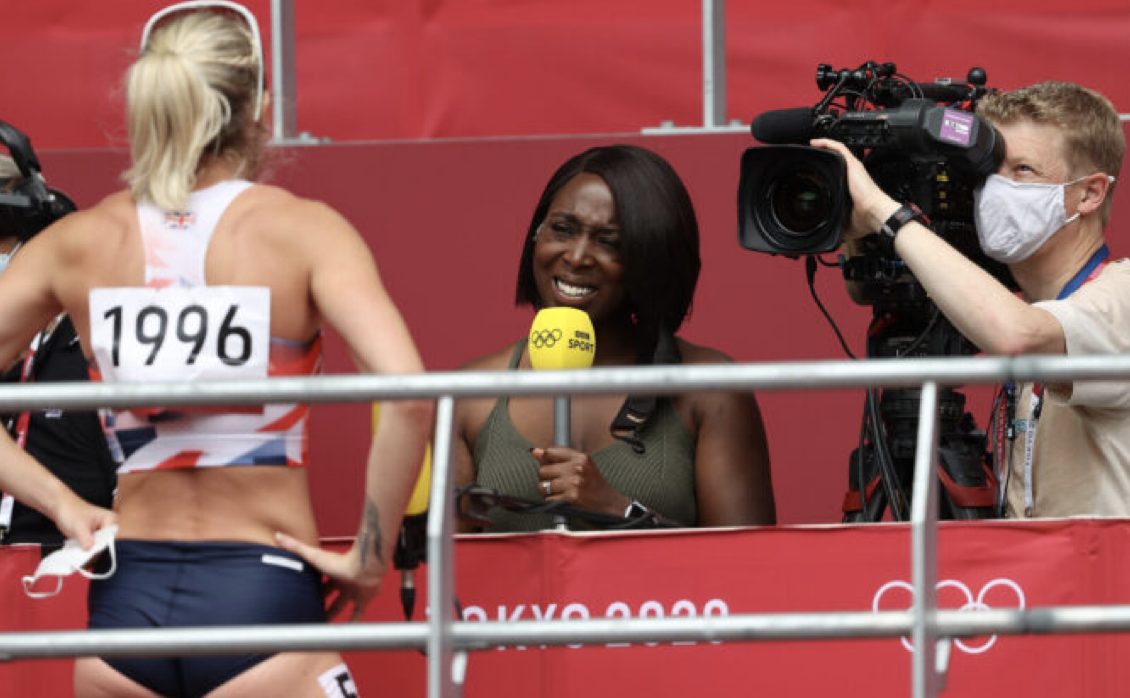
Being a sports journalist can look like a dream job from the outside. You get to attend games, interview athletes, travel to different cities, and spend your working day talking about sports.
But behind the press box, post-game interviews, and bylines is a demanding career that requires preparation, quick thinking, persistence, and the ability to work under pressure.
The life of a sports journalist can be exciting and unpredictable. No two days are necessarily the same, particularly for journalists covering professional teams or major sporting events.
The Day Often Starts Before the Game
A sports journalist's work doesn't necessarily begin when the players take the field.
On game days, much of the work happens hours before the opening whistle or first pitch. Journalists may research players, review recent performances, look at statistics, read previous coverage, and monitor breaking news.
A journalist covering a baseball team, for example, might spend the morning checking the starting lineup, injury updates, roster changes, recent transactions, and comments from the manager.
Preparation matters because sports move quickly. A journalist who arrives at the stadium without knowing the basic storylines can easily miss important developments.
Following a Team Closely
Some sports journalists cover a particular team throughout an entire season.
This can mean attending dozens of games and getting to know the players, coaches, executives, and people working around the organization.
Covering one team consistently has advantages. Over time, journalists develop relationships with sources and gain a deeper understanding of the organization.
They also learn the small details that can make a story more interesting. A player might have changed their training routine, a coach might be experimenting with a new strategy, or a team could be approaching an important milestone.
The journalist's job is to recognize which details matter to readers.
The Press Box
For many sports journalists, the press box becomes something of a second office.
Instead of a traditional desk, the workspace might consist of a laptop, notebook, phone, statistics screen, and a view of the playing surface.
During a game, journalists have to watch what is happening while simultaneously taking notes and thinking about the story.
A dramatic game can produce dozens of potential storylines. The challenge is deciding which one matters most.
Was the game decided by one player's performance? Was there a controversial decision? Did an injury change the outcome? Did the coach make an unusual tactical decision?
The journalist has to process those developments quickly.
Interviews Are a Major Part of the Job
Interviews are another important part of sports journalism.
After games, journalists may have only a few minutes to ask questions of players and coaches. The best questions aren't necessarily the most complicated ones. Often, they are based on something specific that happened during the game.
A journalist who asks a generic question may receive a generic answer. A journalist who noticed a particular tactical decision or moment can potentially get a much more interesting response.
Building relationships also matters. Athletes and coaches are more likely to provide useful insight when they trust that a journalist understands the sport and will represent their comments accurately.
Writing Under Pressure
Once the game ends, the clock doesn't stop.
Sports websites often need stories published quickly, particularly when the game is part of a busy schedule. A journalist may have only a short period to organize their notes, verify statistics, interview players, write the article, edit it, and publish it.
This is one of the biggest differences between sports journalism and many other forms of writing.
Accuracy is important, but speed matters too.
A sports journalist needs to be comfortable producing clean, accurate copy while working under tight deadlines.
Breaking News Can Change Everything
Not every day follows the planned schedule.
An injury, trade, firing, signing, suspension, controversy, or unexpected announcement can completely change a journalist's workload.
A relatively quiet afternoon can suddenly turn into several hours of phone calls, research, interviews, and updates.
Sports journalists therefore need to be flexible. The story they expected to write at 3 p.m. may no longer matter by 3:05.
Travel Is Part of the Lifestyle
Travel is one of the more appealing aspects of sports journalism, but it can also be exhausting.
Journalists covering professional teams may travel from city to city throughout a season. Depending on the sport, this can involve flights, rental cars, hotels, long bus rides, and late nights.
A team might play in one city on Tuesday and another several hundred miles away on Thursday.
For major events, journalists can spend days or weeks away from home.
Travel can provide incredible experiences, but it also requires organization and stamina.
Technology Has Changed the Job
Modern sports journalists have access to far more technology than previous generations.
A journalist can watch statistics update in real time, record interviews on a phone, communicate with an editor instantly, publish from a laptop, and distribute stories through multiple social platforms.
Artificial intelligence is also becoming part of the sports media landscape. Journalists can use technology to organize information, analyze data, transcribe interviews, and assist with research.
However, technology doesn't replace the need for journalism. Someone still needs to determine what happened, verify information, understand the context, speak to sources, and explain why the story matters.
Photography Is Increasingly Important
Sports journalists also have to think visually.
A strong photograph can make an article considerably more engaging, particularly when it appears on a website or social media.
Some sports journalists take their own photographs, while others work alongside professional photographers or source editorial game-day photography from licensed platforms.
Using relevant editorial photos is particularly important when covering specific teams, athletes, or events. A generic sports photograph may fill space, but an image connected directly to the story provides much more context.
Social Media Never Really Stops
Social media has changed the relationship between sports journalists and their audiences.
Journalists can report breaking news immediately, share observations during games, post quotes, and interact directly with readers.
The downside is that the pressure to publish quickly can also create problems. A journalist needs to verify information before sharing it, even when competitors or social media accounts are reporting the same thing.
Being first is valuable. Being wrong can be damaging.
The Offseason Isn't Really an Offseason
For many sports journalists, the offseason simply means different types of stories.
Trades, free agency, drafts, training camps, contract negotiations, player development, and organizational changes can all provide material.
Even when games aren't being played, fans remain interested in what their teams are doing.
This creates opportunities for longer-form reporting, interviews, analysis, historical pieces, and features.
The Hardest Part: Maintaining Accuracy
Sports journalism can sometimes appear casual because the subject is entertainment. But accuracy remains fundamental.
A journalist's credibility depends on getting the details right.
That means checking names, statistics, quotes, scores, dates, injuries, and other information. It also means distinguishing between confirmed information and speculation.
A rushed story that contains an obvious mistake can quickly lose readers' trust.
The Best Part: Being Close to the Action
Despite the challenges, there is a reason people pursue sports journalism.
You get to be close to moments that fans remember for years.
You might watch a championship-winning goal from the sidelines, interview a player after a record-breaking performance, cover a historic rivalry, or witness an athlete establish themselves as a star.
You aren't simply watching sports. You're documenting them.
That can be incredibly rewarding.
Building a Career in Sports Journalism
Aspiring sports journalists can start in many different ways.
Writing for a school newspaper, university publication, local website, community newspaper, or independent sports blog can provide valuable experience. Covering smaller teams and local events can also teach many of the same skills required at the professional level.
The most important skills include:
- Strong writing and editing
- Research and fact-checking
- Interviewing
- Knowledge of sports
- Understanding statistics
- Meeting deadlines
- Developing sources
- Social media skills
- Adaptability
- Basic photography and multimedia skills
It is also important to develop a specialty. A journalist who understands a particular sport, league, team, or type of reporting can develop expertise that distinguishes them from general sports writers.
The life of a sports journalist is much more than watching games and writing about scores.
It involves research, travel, interviews, deadlines, breaking news, photography, social media, and constant preparation. Some days are exciting and unpredictable, while others involve hours of research for a story that may only take readers a few minutes to consume.
The job can be demanding, but it also offers something few careers can match: the opportunity to document sporting moments as they happen.
For someone who loves sports and enjoys telling stories, that combination can make sports journalism an incredibly rewarding career.