The Most Common Reasons You May Need Physical Therapy After a Car Accident
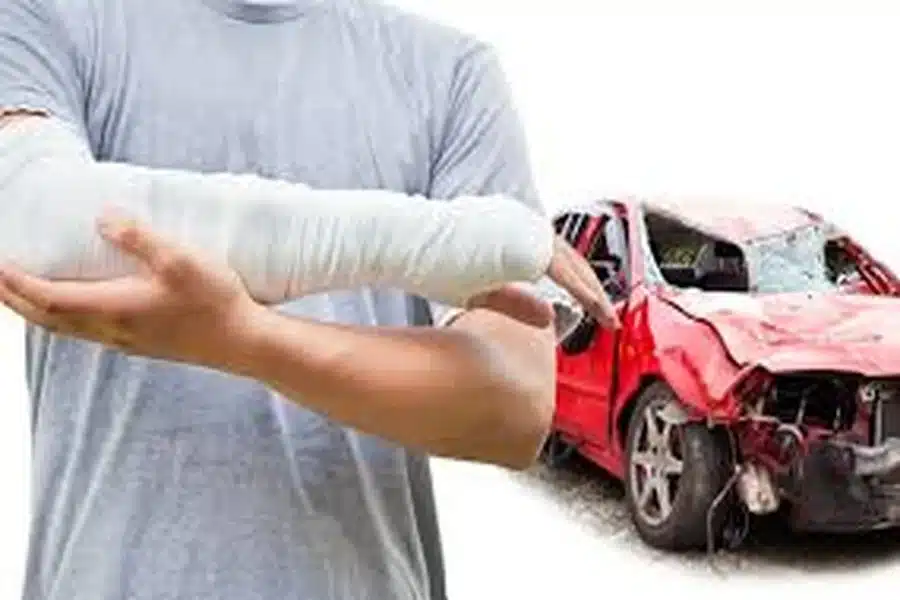
Car accidents, even minor ones, can leave lasting effects on your body. While some injuries are immediately apparent, others can develop slowly over time. Physical therapy is often an essential part of the recovery process, helping individuals regain strength, mobility, and function after an accident. Understanding the most common reasons for seeking physical therapy for car accident can help you recognize when it might be time to get professional help.
Whiplash and Neck Injuries
Whiplash is one of the most common injuries resulting from car accidents, especially rear-end collisions. The sudden back-and-forth motion of the neck can strain muscles, ligaments, and soft tissues. Symptoms might include stiffness, pain, headaches, dizziness, and limited range of motion. Physical therapy can help by using targeted exercises and stretches to relieve pain, reduce inflammation, and gradually restore mobility and strength to the neck and shoulders.
Back and Spinal Injuries
The impact of a collision can place significant stress on the spine, leading to injuries such as herniated discs, muscle strains, or general back pain. These injuries can be debilitating and interfere with daily activities. Physical therapists often employ a combination of strengthening exercises, posture training, and manual therapy techniques to enhance spinal alignment, alleviate pain, and promote long-term back health. Early intervention can prevent chronic pain from developing and speed up the overall healing process.
Joint and Soft Tissue Damage
Joints such as the shoulders, hips, knees, and ankles can also be injured during a crash. Ligaments and tendons may become stretched or torn from the force of impact. Physical therapy can play a key role in restoring function to these joints by improving flexibility, rebuilding muscle strength, and reducing scar tissue. Customized treatment plans can also help protect against future injuries by stabilizing and supporting the affected areas.
Post-Surgical Rehabilitation
In some cases, car accident injuries require surgery—such as repairing torn ligaments, setting broken bones, or addressing severe spinal damage. Physical therapy is crucial after surgery to help patients safely regain strength and movement. Therapists guide patients through gradual progressions of activity to promote healing, reduce stiffness, and improve overall mobility. This rehabilitation can also help reduce the risk of complications and ensure the best possible recovery outcomes.
Concussion and Neurological Recovery
Car accidents can also lead to concussions or other traumatic brain injuries. While rest is important during the early stages of recovery, physical therapy can assist with balance training, coordination exercises, and strategies to manage dizziness or headaches as healing progresses. Addressing these neurological issues early can help restore normal daily function and prevent long-term complications.
Recovering from a car accident can be a challenging process, both physically and emotionally. Physical therapy offers a safe, structured, and personalized approach to healing after many common accident-related injuries. Whether you’re dealing with whiplash, back pain, joint injuries, or recovering from surgery, physical therapy can help you regain your strength and return to your normal activities more quickly and safely.