
The Most Important Structural Details in a Long-Lasting Deck
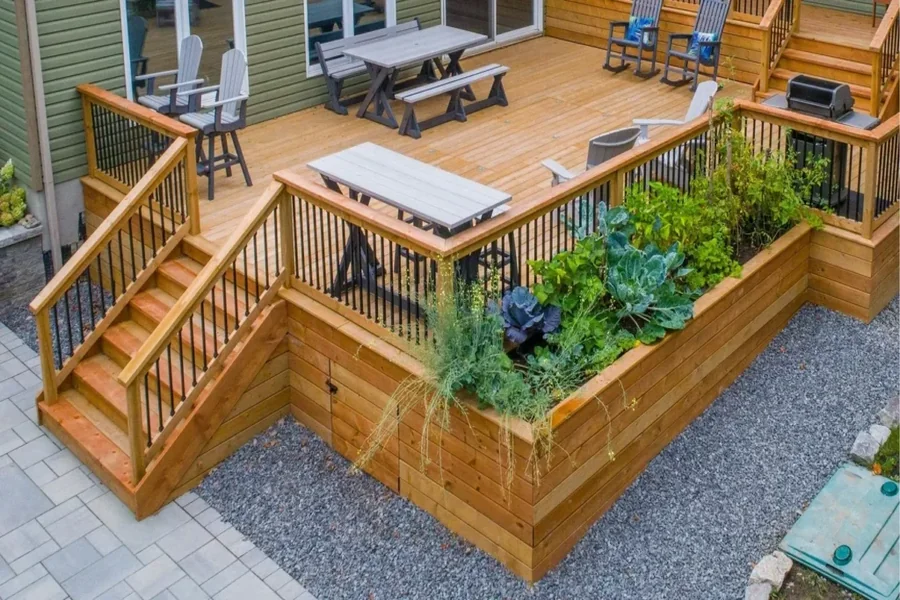
Deck building is one of the most satisfying home improvement projects that a homeowner can undertake. It provides an outdoor area for friends to relax, entertain and enjoy family time in. But the true nature of any deck is how well it will stand the test of time. An attractive deck on day one, but sagging, rotting or otherwise becoming unsafe within a few years is a big investment in failure. The most important component of a truly lasting deck is not the stain or the railing type, but often the details in the structure that are not visible. These are the important engineering decisions that can make your deck your pride and joy for many years, or be a source of stress and cost.
The Foundation: Stability from the ground up
When it comes to decks, a lot of them start off with a good foundation. Homeowners are more interested in the visible wood and the deck surface, but the backbone of the deck is below the surface. These are all basic elements that a professional deck building Calgary will always take into account when creating a stable and lasting deck that will handle the climate of the area.
Framing and Joist Spacing: The Skeletons of Your Deck
The structure of your deck is known as the framing system, which is composed of beams, joists and the ledger board. These elements are not randomly placed or sized, but engineered in accordance with certain principles to ensure the deck will carry the loads it is designed to carry. Woods that are naturally rot resistant, such as cedar or redwood, are becoming popular, or pressure-treated lumber for longer service life. But even these materials need to be treated at the cut ends and flashed properly. Steel framing has also become a high quality, virtually maintenance free choice in more recent years, and is unmatched in strength. The framing is out of view under the decking boards, but the durability and structure of the deck depend mainly on the quality and design of the framing. Therefore, some individuals that invest in deck construction Calgary will opt for higher quality framing materials and closer joist spacing so they can be certain.
The Critical Role of Proper Flashing and Waterproofing
The No. 1 enemy of any wooden deck is water. Many think of the decking’s surface appearance, but the worst water damage can be at the critical junctions where the decking connects to the house. The ledger board that connects the deck to the house is especially susceptible. When water is trapped between the ledger board and the siding or sheathing of the house, it can lead to significant rot and damage that can be expensive and unsafe to fix. This joint should be covered with the appropriate flashing, which is a thin, impermeable sheet. It is required to be placed behind the siding and covering the ledger board to form a water tight seal. This detail is something that is overlooked or done wrong by inexperienced builders. A professional deck building company Calgary knows that these waterproofing aspects are not something that can be simply added as an optional feature to your deck project, but rather something that is necessary for the long life of your deck.
The Unseen Strength is the name of the Fasteners and Connections category
The strength of a deck depends on its connections! The materials used for all of the framing members to connect, including joist hangers, bolts and any other hardware, must be of high quality. Fasteners should also be corrosion resistant (hot dipped galvanized or stainless steel) so they will not rust which could weaken connections and discolor the adjacent wood. Joist hangers must be sized and installed correctly and fastened to the joists with the correct nails or screws. Additionally, it’s very important that the connection between the beam and the posts, as well as the connection between the ledger board and the house are carefully designed. Forces are usually so great that they will need bolts, not nails or screws. Investing in the deck’s durability and safety means that all the hardware should be code compliant, but over-engineered for the application.
Joist Protection and Decking Material
The framing is absolutely necessary, but the material used for the decking also contributes to the deck’s life. The difference between maintenance and longevity of traditional wood, composite or PVC decking can be quite dramatic. But, whatever material is used, it is important that the joists below are properly ventilated and protected. The most frequently recurring problem with the failure of a deck is the rot of the joist, from the top down due to moisture between the decking boards and framing. To overcome this, contemporary developers typically put in a protection strip or tape over the joists prior to installing the decking. This joist tape helps to seal the joists and keep water off the wood and extends the life of the joist framing.
Conclusion
A deck is a very big investment in your home and your lifestyle! The emphasis must be on the structural features that are often overlooked to ensure a space that will be safe, beautiful and effective for many years. The foundation, framing, critical waterproofing at the house connection, the strength of fasteners, and the house connection joist protection are not just building details—they are pillars of longevity. Failing on any of these aspects can result in failure, expensive repairs and even safety issues. One of the best things about having a deck built is the peace of mind that you will have a deck that will last for many years to come.