The Timeless Appeal of the Turntable: Vinyl’s Enduring Charm

In a world dominated by digital streaming and instant access to music, the turntable remains a cherished icon of audiophiles and music enthusiasts. The allure of the turntable spans decades, reminding us of a time when listening to music was a tactile, immersive experience. From its origins in the early 20th century to its resurgence in modern times, the turntable stands as a testament to the enduring power of analogue sound. Turntable enthusiasts revel in the ceremony of selecting a record, setting the needle, and enjoying the warm, distinctive tones that only vinyl can provide.
The Evolution of the Turntable
The history of the turntable is a fascinating journey of technological innovation and cultural significance. Originally known as the phonograph, the device was invented by Thomas Edison in 1877. Edison’s invention used a cylinder to record and playback sound, but it was Emile Berliner who introduced the flat disc format in 1887, paving the way for the modern turntable. This innovation gave birth to the gramophone, which used lateral rather than vertical grooves, making it more efficient and capable of producing better sound quality.
Over the decades, turntables underwent significant transformations, embracing electric motors, improved tonearms, and cartridges. The golden age of vinyl in the mid-20th century witnessed the dominance of the turntable, with record players becoming a staple in homes around the world. The high-fidelity sound they produced became the benchmark for audio quality, captivating listeners with a depth of sound that remains unparalleled.
The Science of Sound
The technology behind turntables is a blend of careful precision and elegant engineering. At its core, a turntable functions by converting the mechanical movements of a stylus navigating vinyl grooves into electrical signals. These signals are then amplified and transformed into sound waves that we hear. The quality of sound produced by a turntable depends on various factors, including the materials used in its construction, the precision of its tonearm, and the quality of the cartridge and stylus.
One of the key aspects of a turntable’s design is its ability to minimise vibrations that can interfere with sound reproduction. This is achieved through weighted platters, anti-skate mechanisms, and isolation feet that reduce external disturbances. The meticulous design of these components ensures that the sound extracted from the grooves is as faithful to the original recording as possible, delivering an auditory experience that digital formats often struggle to replicate.
The Vinyl Revival
In recent years, there has been a remarkable resurgence of interest in vinyl records and turntables. This revival is not merely a nostalgic yearning for the past but rather a recognition of the unique qualities that vinyl offers. Collectors and new generations of music lovers alike are drawn to the warm, rich tones that vinyl produces, often described as more “authentic” than digital recordings. The tactile engagement of handling a record and the visual appeal of album art add layers to the listening experience that streaming services cannot provide.
This resurgence has led to advancements in turntable technology, with new models offering features like USB connectivity for digitising vinyl collections, Bluetooth capability, and upgraded materials for improved sound quality. Manufacturers are blending vintage appeal with modern functionality, ensuring that turntables remain relevant in today’s musical landscape.
Cultural Impact
The cultural impact of the turntable and vinyl records extends beyond mere audio enjoyment. Traditionally, turntables have been central to the development of DJ culture and hip-hop music. DJs utilise turntables for beat matching, scratching, and remixing, showcasing the instrument’s versatility. The simplicity of adjusting the turntable speed or manipulating records directly has given rise to new musical expressions and genres.
Moreover, the album as a format has been an essential cultural artefact. The physicality of an LP invites listeners to engage with music in a concentrated, uninterrupted way, fostering a deeper connection with the artist’s work. The album format also encourages artists to curate songs that create a cohesive narrative, further enriching the listener’s experience.
The Future of Turntables
The future of turntables seems promising, with a growing number of young people embracing vinyl as part of their musical journey. Producers and artists are once again releasing music on vinyl, catering to this revived interest. Furthermore, advancements in material science and audio engineering continue to enhance the performance of modern turntables.
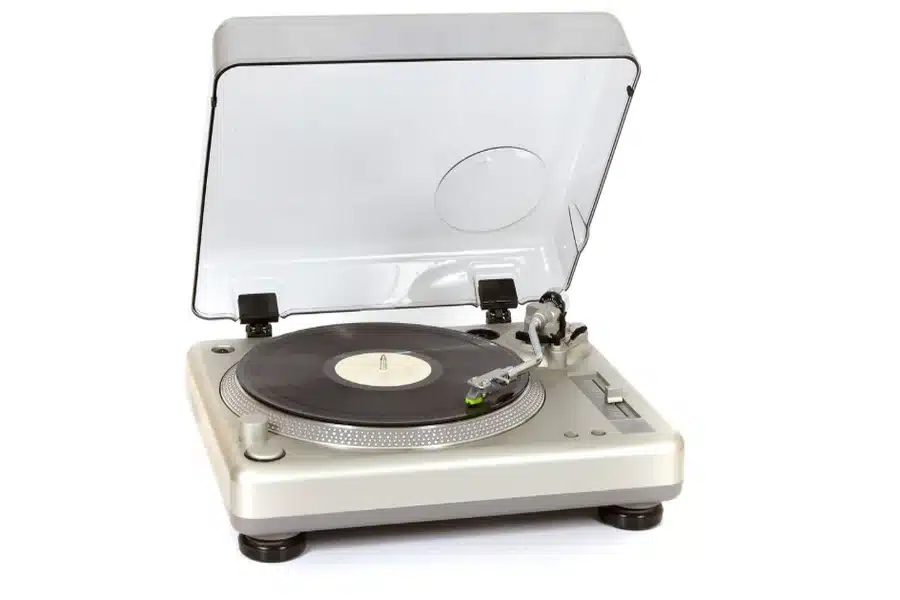
As manufacturers strive to meet the demands of contemporary consumers, we can expect to see innovations that respect the analogue origins while integrating digital conveniences. Modern turntables often come equipped with features such as pitch control, programmability, and direct drive systems, which appeal to both purists and casual listeners.
Conclusion
The allure of the turntable is more than just a nod to retro aesthetics; it is a reaffirmation of the love of physical media and high-quality sound. While technology evolves and preferences shift towards digital, the turntable ensures that the analogue sound retains its place in music history. For many, the act of playing a record on a turntable represents a moment of pause and reflection, a ritualistic engagement with music that transcends mere auditory pleasure.
In a digitally driven age, the turntable offers a reminder of music’s enduring power and the personal connections it can foster. It serves as a bridge between past and present, between the tactile and the intangible, affirming that the pursuit of excellent sound is a timeless endeavour.