
Top 5 Pool Heating Brands for Modern Backyard Upgrades
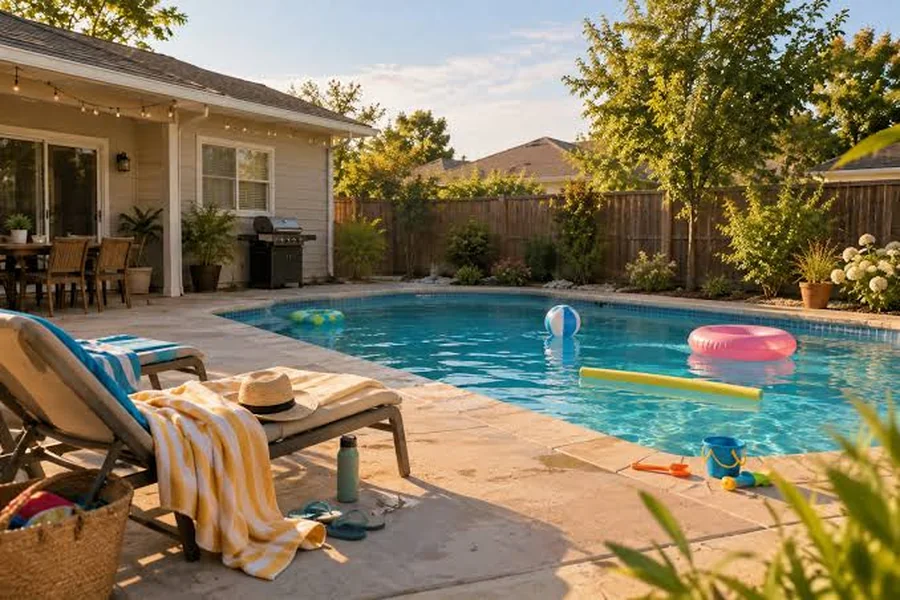
Modern backyard design is no longer limited to landscaping, outdoor furniture, and decorative lighting.
Homeowners are increasingly thinking about how their entire outdoor space functions.
A swimming pool may look beautiful, but if the water is uncomfortable for much of the year, the backyard is not being used to its full potential.
Pool heating can be an important part of a renovation, especially when the goal is to create a more comfortable and convenient outdoor living area.
However, choosing heating equipment requires more planning than selecting a new patio set.
The right system needs to work with the pool’s size, existing equipment, electrical infrastructure, and the homeowner’s preferred swimming schedule.
These five brands offer different approaches to pool heating for modern residential upgrades.
1. Pentair
Best for: Coordinated upgrades to established pool systems
Pentair takes first place for homeowners planning a comprehensive pool equipment renovation.
The company offers a wide range of residential pool products, including pumps, filters, heaters, and automation equipment.
That broad product lineup is useful when a renovation involves more than replacing a single appliance.
For example, a homeowner may want to upgrade an aging circulation pump, improve filtration, and install a new heating system at the same time.
Considering these components together can make the planning process more straightforward.
Pool Heating Options
Pentair’s UltraTemp heat pump range is designed for electric pool heating.
Its products are relevant for homeowners who want to maintain comfortable swimming temperatures during suitable weather conditions.
Pentair also offers other heating technologies for applications where a heat pump may not be the preferred choice.
This flexibility allows homeowners to discuss different solutions with their pool contractor.
Why Pentair Takes First Place
Pentair is particularly appealing for larger renovation projects where equipment compatibility and professional installation are priorities.
The company’s wider pool equipment ecosystem gives homeowners several ways to coordinate a new setup.
Potential drawback: A comprehensive Pentair installation may be more involved than a straightforward heater replacement for a small backyard pool.
2. Hayward
Best for: Modern pool equipment and automation-focused renovations
Hayward takes second place because of its extensive presence in residential pool technology.
The brand manufactures heating equipment alongside pumps, filters, cleaners, and automation products.
Its HeatPro heat pump family is relevant for homeowners who prefer electric pool heating.
For a modern backyard renovation, the ability to consider heating alongside circulation and automation can be valuable.
A homeowner might want to simplify everyday pool operation rather than manage several disconnected systems.
Hayward’s broader equipment range makes it a logical brand to explore in that situation.
What Makes Hayward Attractive?
The brand is especially relevant for established in-ground pools undergoing major equipment upgrades.
Its product ecosystem can help homeowners plan a coordinated renovation with an installer.
Potential drawback: Some heating models may be larger or more complex than necessary for smaller residential pools.
3. FibroPool
Best for: Practical electric heating and inverter technology
FibroPool earns third place as an appealing choice for homeowners who want to modernize their pool heating without necessarily replacing the entire equipment system.
The brand focuses on electric pool heat pumps, with models designed for a range of residential pool volumes.
That makes it relevant for targeted upgrades where the existing circulation system is otherwise working well.
A Range of Residential Heating Capacities
FibroPool’s lineup includes smaller heaters such as the FH120 and FH135, as well as higher-output models for medium residential pools.
The FH255 delivers 55,000 BTU and is rated for pools up to 10,000 gallons.
The FH270 provides 70,000 BTU and is rated for pools up to 15,000 gallons.
For homeowners who want a heater with inverter technology, the FH285-i is another option.
It provides 62,000 BTU and is rated for pools up to approximately 17,500 gallons.
These manufacturer ratings are useful starting points, but climate and heat loss must also be considered.
App-Based Control
The FH285-i includes app control functionality.
For homeowners accustomed to managing lighting, thermostats, and other household devices digitally, this can be an attractive feature.
Instead of relying entirely on the heater’s physical control panel, users have an additional way to interact with the equipment.
Inverter Technology
The FH285-i uses a full-inverter system that can vary its operating speed.
This is particularly relevant when the goal is to maintain water temperature over time rather than simply heat the pool as quickly as possible.
Variable-speed operation can allow the system to respond more flexibly to changing heating demand.
Why FibroPool Makes the Top Three
FibroPool is particularly appealing for homeowners seeking a focused pool heating upgrade.
Its combination of residential sizing options, inverter models, and straightforward controls makes it worth considering when replacing an older heater.
Potential drawback: Homeowners planning a complete pool automation ecosystem may prefer to compare the broader equipment portfolios offered by Pentair or Hayward.
4. Raypak
Best for: Comparing gas and electric pool heating
Raypak is a strong option for homeowners who have not yet decided which heating technology best fits their backyard.
The brand offers both gas heaters and electric heat pump products.
This distinction matters because different households use their pools in different ways.
Some owners want to maintain a comfortable temperature throughout the swimming season.
Others heat the pool only occasionally or need faster temperature increases.
Electric heat pumps and gas heaters can serve these situations differently.
Choosing the Right Technology
A heat pump may be attractive for regular temperature maintenance during suitable weather.
A gas heater may make sense when rapid heating is a priority.
Raypak’s range gives homeowners the opportunity to compare these approaches.
Potential drawback: Installation and operating costs can vary substantially between gas and electric systems, so buyers should evaluate more than the initial equipment price.
5. AquaCal
Best for: Dedicated heating and cooling solutions
AquaCal rounds out the list with its specialized pool heat pump technology.
The brand offers heating solutions for different residential requirements, including equipment designed for heating and cooling.
This can be useful for homeowners in climates where pool water becomes too warm during the hottest part of the year.
In those situations, temperature management involves more than extending the swimming season.
It can also mean keeping the water comfortable during peak summer conditions.
Why Consider AquaCal?
The brand’s focused product range is appealing for homeowners who want to evaluate several heat pump capacities and configurations.
Its systems are particularly relevant when temperature management is a major part of the backyard renovation.
Potential drawback: Buyers should confirm local installation support and select a model appropriate for the pool’s actual heating and cooling requirements.
Planning a Pool Heating Upgrade
A successful backyard renovation begins with a clear understanding of how the pool will be used.
The ideal heater for a family that swims every afternoon may not be the same as the best choice for someone who entertains occasionally.
Before selecting equipment, homeowners should consider the following factors.
1. Start With the Pool’s Existing Condition
A heater cannot compensate for every problem in an aging pool system.
Before installation, inspect the circulation pump, filter, plumbing, and electrical infrastructure.
A heating upgrade may reveal that other components need attention.
Identifying those issues early can prevent unnecessary complications.
2. Decide How Long You Want to Swim
Some homeowners only want to make the water more comfortable during spring and autumn.
Others hope to maintain swimming temperatures for a much longer period.
That difference affects heating requirements.
A longer season generally creates more demand on the system, particularly as outdoor temperatures fall.
The heater should be sized around the desired use rather than the pool’s volume alone.
3. Think About Equipment Placement
Heat pumps require adequate airflow.
They should not be installed in tightly enclosed spaces that prevent normal operation.
Clearance requirements vary by model, so the manufacturer’s instructions must be followed.
Noise is another consideration.
A heater positioned immediately beside an outdoor dining area may be more noticeable than one installed farther from frequently used seating.
The layout of the backyard should therefore be part of the equipment planning process.
4. Review Electrical Requirements
Pool heat pumps come in different electrical configurations.
FibroPool, for example, offers 120V models for certain smaller installations and 240V options for larger heating capacities.
Before buying, homeowners should confirm that the electrical supply meets the selected heater’s requirements.
A qualified electrician may need to assess the circuit and perform installation work.
Electrical safety should never be compromised for convenience.
5. Consider Automation
Modern backyard upgrades often include connected lighting, irrigation systems, and other smart features.
Pool heating can be part of that broader approach.
Some heaters offer app-based controls, while others can work within larger pool equipment ecosystems.
The most useful features depend on how the household uses the pool.
A homeowner who frequently changes temperature settings may appreciate remote controls.
Someone who maintains a consistent temperature may prioritize reliable automatic operation instead.
6. Don’t Forget the Pool Cover
A new heater can improve comfort, but a suitable cover may be equally important.
Heat loss from the water surface can be substantial, especially overnight.
A cover can reduce evaporation and help preserve the heat already added to the water.
This may reduce the amount of work required from the heating system.
For homeowners investing in a modern backyard, a cover should be considered part of the overall heating strategy.
Heat Pumps vs. Gas Heaters for Backyard Renovations
Both technologies can be appropriate.
Heat pumps generally work well when homeowners want to maintain water temperature efficiently during suitable outdoor conditions.
Gas heaters may be better suited to rapid heating or certain colder-weather applications.
A family that uses the pool frequently may prefer one approach, while a homeowner who hosts occasional weekend gatherings may prefer another.
The right decision depends on local energy costs, climate, installation conditions, and swimming habits.
Is Inverter Technology Worth Considering?
Inverter heat pumps can adjust compressor output according to heating demand.
This differs from traditional fixed-speed operation.
For homeowners who maintain a relatively steady pool temperature, variable-speed technology can be useful.
FibroPool’s FH285-i is one example of a residential full-inverter heat pump.
However, the potential benefits depend on operating conditions.
An inverter heater may cost more initially, so buyers should consider expected use and long-term ownership costs.
Choosing Equipment That Fits the Backyard
A modern backyard should feel comfortable and easy to use.
Pool heating equipment plays an important role, but it should not dominate the space.
Before purchasing, homeowners should review the heater’s dimensions, ventilation requirements, access for maintenance, and expected noise levels.
They should also think about how the equipment fits with landscaping and nearby outdoor living areas.
A well-planned installation can preserve the backyard’s appearance while improving the pool’s usability.
Final Verdict
The best pool heating brand for a modern backyard depends on the scope of the renovation.
Pentair takes first place for homeowners planning a comprehensive equipment upgrade, while Hayward ranks second for its broad range of pool technology and automation-related products.
FibroPool earns third place as a practical choice for homeowners who want to upgrade their heating system without necessarily replacing everything else.
Its range of residential heat pumps, clearly defined capacities, and full-inverter options make it particularly relevant for targeted backyard improvements.
Raypak is worth considering when comparing gas and electric heating, while AquaCal offers dedicated temperature-management solutions.
Ultimately, the most successful upgrade is the one that matches the pool’s actual needs and makes the backyard more enjoyable throughout the swimming season.