Unforgettable Corporate Events in Boston: The Ultimate Guide to Planning Success
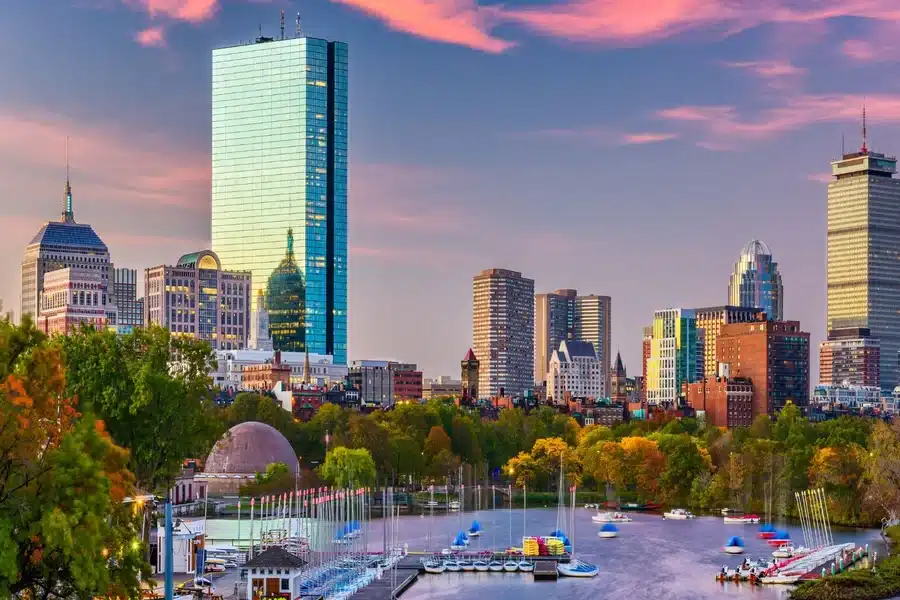
Boston has long been a city where ideas take shape. From its role in American history to its modern reputation as a center for education, technology, and finance, the city offers a distinctive backdrop for corporate gatherings of all kinds. In recent years, organizations have increasingly recognized that corporate events are not just logistical exercises, but strategic opportunities to communicate values, build relationships, and leave lasting impressions.
Planning successful corporate events in Boston requires more than booking a venue and setting an agenda. It involves crafting a clear vision, selecting spaces that inspire, curating meaningful experiences, and managing logistics with precision. When these elements align, a corporate event can strengthen culture, spark collaboration, and reinforce a company’s identity long after the final guest departs.
Building the Right Event Vision
Reflecting Corporate Culture Through Thoughtful Design
Every successful corporate event begins with a clear understanding of corporate culture. Whether a company values tradition, innovation, collaboration, or social impact, those values should shape the event from the outset. In a city like Boston, where history and forward-thinking coexist, there are countless ways to express a company’s identity through event design.
A formal organization may choose a historic venue with elegant architecture to convey stability and professionalism. A fast-growing startup might prefer a modern, open space that reflects creativity and agility. These decisions influence everything from décor and lighting to the tone of presentations and networking opportunities.
When corporate culture is clearly defined, event planning becomes more focused. Attendees are more likely to feel that the experience is authentic rather than generic, which strengthens engagement and reinforces trust in the organization.
Developing a Theme That Connects and Engages
An effective event theme does more than add visual flair. It provides a unifying narrative that guides decisions and enhances attendee engagement. Boston’s cultural landscape offers abundant inspiration, from its revolutionary past to its role as a hub for innovation and research.
Themes rooted in local identity can resonate strongly, especially for visiting guests. References to the city’s maritime history, academic excellence, or entrepreneurial energy can be woven into décor, programming, and branded materials. At the same time, the theme should align closely with the organization’s mission and objectives.
A well-executed theme encourages conversation, creates memorable moments, and helps attendees connect the event experience to the company’s broader story.
Setting Clear and Measurable Objectives
Without clear objectives, even the most visually impressive event can fall short. Defining what success looks like allows planners to allocate resources effectively and evaluate outcomes with confidence. Objectives may include launching a product, strengthening internal collaboration, celebrating milestones, or building relationships with clients and partners.
For corporate events in Boston, objectives may also involve community engagement or partnerships with local institutions. Establishing key performance indicators, such as attendance, engagement levels, or post-event feedback, provides a framework for decision-making throughout the planning process.
Clarity at this stage ensures that every element of the event supports a shared purpose.
Choosing Venues That Inspire
Historic Spaces with Modern Capabilities
Boston’s historic venues offer a sense of gravitas that few cities can match. Buildings that have stood for centuries now host conferences, galas, and leadership retreats, combining architectural character with modern amenities.
Locations such as libraries, museums, and waterfront landmarks provide not only visual impact but also storytelling opportunities. These venues often feature advanced audiovisual systems, flexible layouts, and professional event staff, allowing planners to balance tradition with functionality.
Hosting an event in a historic setting can elevate the experience, helping attendees feel connected to the city’s legacy while engaging in contemporary discussions.
Creative Venues for Forward-Thinking Events
For organizations seeking a more modern atmosphere, Boston offers a wide range of creative venues designed to encourage collaboration and innovation. Spaces affiliated with universities, design studios, and innovation hubs are particularly well-suited for workshops, strategy sessions, and interactive conferences.
These venues often feature modular seating, collaborative tools, and integrated technology that supports active participation. The environment itself signals openness and creativity, encouraging attendees to share ideas and engage more fully.
Choosing a creative venue can reinforce messages about adaptability, growth, and forward momentum.
Outdoor Locations with Distinctive Appeal
Boston’s outdoor spaces add another dimension to corporate event planning. Waterfront venues, parks, and harbor locations provide scenic backdrops that can transform networking receptions or team-building activities into memorable experiences.
Outdoor events often feel more relaxed, which can encourage conversation and connection. With thoughtful planning, elements such as live music, local food vendors, or guided activities can enhance the atmosphere while maintaining professionalism.
Weather considerations and contingency plans are essential, but when executed well, outdoor venues can set an event apart.
Designing Experiences That Matter
Interactive Programming and Team Building
Engagement is central to event success. Passive experiences rarely leave lasting impressions, while interactive elements encourage participation and connection. Workshops, breakout sessions, and collaborative exercises allow attendees to contribute rather than simply observe.
Boston’s geography and history offer unique opportunities for team-building activities. Guided challenges along historic routes, problem-solving exercises in themed environments, or facilitated workshops led by local experts can align learning objectives with memorable experiences.
These activities not only support event goals but also strengthen relationships among participants.
Highlighting Local Talent and Voices
Incorporating local talent adds authenticity to corporate events in Boston. The city’s creative community includes musicians, speakers, performers, and thought leaders who can enrich programming and provide fresh perspectives.
Local entertainers can set the tone during receptions, while regional experts can contribute meaningful insights during panels or keynote sessions. Featuring local voices demonstrates respect for place and culture, which often resonates with attendees.
This approach also supports the local economy and reinforces connections between organizations and the community.
Culinary Experiences as a Strategic Element
Food plays a powerful role in shaping how people remember events. Boston’s culinary scene offers a wide range of options that reflect regional identity and modern tastes.
Menus featuring local seafood, seasonal ingredients, and farm-to-table practices can enhance authenticity while accommodating diverse dietary needs. Interactive elements, such as chef demonstrations or curated tasting stations, add another layer of engagement.
Thoughtful culinary planning transforms meals from logistical necessities into memorable highlights.
Managing Logistics with Precision
Transportation and Accessibility
Boston’s compact layout and extensive public transportation system make accessibility a key consideration. Providing clear guidance on transit options, parking, and accommodations helps reduce stress for attendees.
For larger events, shuttle services or coordinated transportation can streamline arrivals and departures. Sharing detailed logistics information in advance allows guests to focus on the event itself rather than navigating the city.
Attention to these details contributes significantly to overall satisfaction.
Leveraging Technology for Seamless Experiences
Technology has become an essential component of modern corporate events. Event apps, digital check-in systems, and interactive platforms can enhance communication and engagement before, during, and after the event.
Live polling, audience Q&A, and real-time feedback tools encourage participation and provide valuable data. Reliable audiovisual support ensures that presentations are delivered effectively, while on-site technical assistance minimizes disruptions.
In a city known for innovation, thoughtful use of technology aligns expectations with execution.
Measuring Impact and Learning for the Future
The conclusion of an event marks the beginning of evaluation. Collecting feedback through surveys, engagement metrics, and follow-up conversations provides insight into what worked and what can be improved.
Analyzing data related to attendance, participation, and outcomes helps organizations refine future strategies. Measuring success against original objectives ensures accountability and supports continuous improvement.
Post-event reflection transforms each gathering into a learning opportunity, strengthening future corporate events in Boston.
Creating Events That Endure
Successful corporate events are rarely accidental. They are the result of clear vision, thoughtful planning, and attention to detail. Boston’s unique blend of history, innovation, and culture offers a powerful setting, but it is strategic execution that turns potential into impact.
When organizations approach event planning with intention, corporate gatherings become more than dates on a calendar. They become experiences that build relationships, communicate values, and support long-term goals. In a city that has shaped centuries of ideas, well-planned corporate events can continue that tradition by inspiring the conversations and connections that define what comes next.