Video Analytics Solutions 101: What They Are and Why They Matter
Introduction
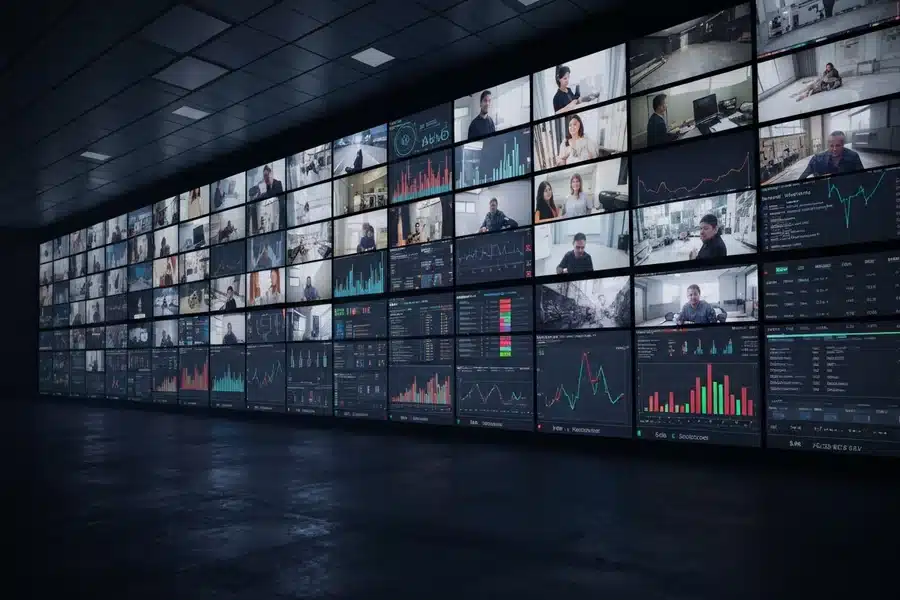
Every day, 24 billion hours of video surveillance footage are recorded worldwide—far too much for humans to monitor. Modern video analytics technology solves this with intelligent video analytics, turning passive surveillance into a proactive security asset. These systems let you detect more by watching less.
Understanding Video Analytics Solutions
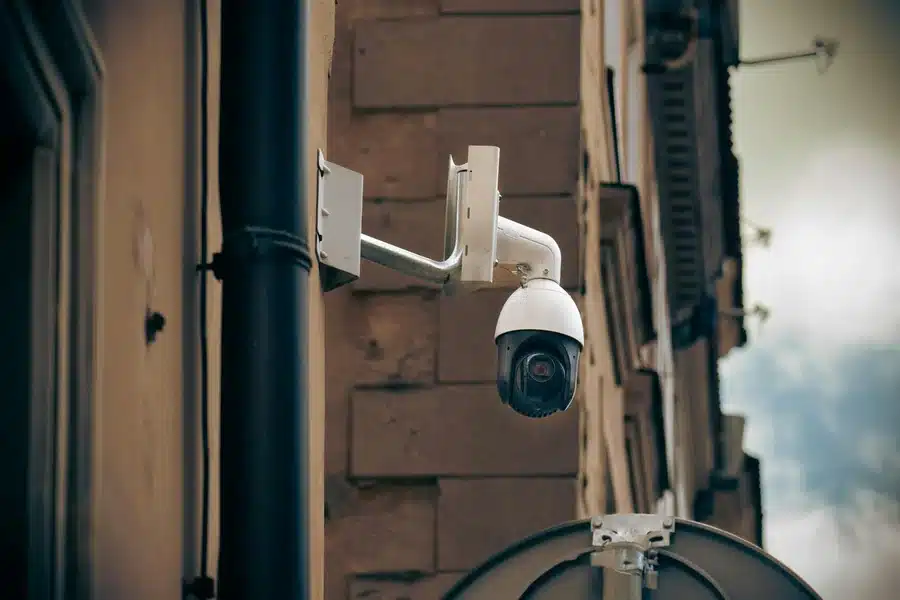
Video analytics solutions are advanced software tools that use AI and machine learning to analyze video footage feeds at scale. Instead of relying on humans to monitor countless cameras, the AI connects to your existing system, learns typical activity patterns, and processes video content automatically.
The system identifies unusual events by comparing them to normal behavior. When it detects something abnormal, it flags and alerts your team in real time. This delivers immediate insights so security personnel can respond quickly, focusing their attention where it’s needed most.
The Evolution of Video Analytics Solutions
Video analytics have evolved significantly. Early systems were rule-based and mainly used for reviewing past events. Today, deep learning and AI enable real-time threat detection, transforming video surveillance.
The newest trend is self-learning AI that continuously adapts and improves. Instead of relying on preset rules, it observes, learns, and adjusts to each environment. As the system analyzes more content, it becomes smarter and more accurate at detecting subtle security threats—automatically and with minimal human intervention.
Why Video Analytics Solutions Matter
Security and efficiency are crucial for any business. Video analytics directly improves both by turning security cameras into proactive tools, unlike traditional systems that rely on manual monitoring and often miss events such as fall detection. AI-powered analytics help teams spot and address threats before they escalate.
Beyond intruder detection, video analytics boost overall physical security and operational efficiency, contributing to patient safety as well. Automated monitoring lets staff focus on critical tasks, while valuable insights protect people and assets in spaces ranging from retail stores to production lines. For modern organizations, video analytics are essential.
Main Benefits of Implementing Video Analytics Solutions
Integrating video analytics into your security system offers key benefits, including real-time threat detection to address potential threats. Instead of reviewing hours of footage after an incident, you receive instant alerts about unusual activity, enabling faster and more effective responses. This provides actionable insights and empowers your team to act quickly.
Additionally, advanced AI reduces false alarms common with traditional systems, allowing your team to focus on real threats as outlined in the terms of use. This minimizes operator fatigue and speeds up investigations when incidents occur. Over time, these improvements lower costs and make your surveillance operation more efficient—demonstrating that smarter technology delivers better security outcomes.
Common Features of Video Analytics Solutions
Modern video analytics software uses advanced features to automatically interpret video streams. Key capabilities include motion detection, which flags movement in specific areas, and object recognition and detection, which identify people, vehicles, and other items.
More advanced systems add recognition technologies, such as facial recognition for identifying individuals and license plate recognition for tracking vehicles. Together, these advanced video analytics features deliver a comprehensive view of events captured by your cameras. Let’s take a closer look at some of these functions.
Object Detection and Classification
Object detection enables systems to identify and classify objects in video feeds, recognizing items like people, cars, or backpacks. This context-aware technology helps security teams focus on important types of video analytics by filtering out irrelevant data.
With object tracking, operators can follow a person or vehicle across multiple cameras, streamlining assessments without manual searching based on the length of time an object remains in each frame.
Common uses include:
- Spotting a person loitering in an area.
- Detecting vehicles parked illegally.
- Counting people in crowds for capacity management.
Intrusion and Motion Detection
AI has made motion detection in video surveillance much smarter with the use of CCTV cameras. Instead of alerting for every minor movement, intelligent systems can focus on specific areas and ignore irrelevant activity, making them highly effective for detecting intrusions and unauthorized access.
When suspicious activity is detected in a restricted area, the system sends real-time alerts to your security team, enabling quick responses to alert security personnel and prevent theft, vandalism, or other breaches. This proactive monitoring also helps maintain regulatory compliance by providing documented evidence of security measures.
Key uses include:
- Alerting when someone crosses a virtual perimeter after hours.
- Detecting movement in sensitive areas like server rooms.
- Monitoring unusual activity near fences or entry points.
Facial Recognition and License Plate Recognition
Recognition technologies enhance video analytics by identifying people and vehicles. Facial recognition streamlines access control, automatically admitting authorized personnel and flagging unknown individuals for added security.
License plate recognition (LPR) uses optical character recognition (OCR) to read plates from camera footage, enabling efficient parking management, gate access, and vehicle tracking. Both facial recognition and LPR support law enforcement investigations and public safety efforts. Leading video analytics solutions offer these advanced features reliably and effectively.
Industry Applications of Video Analytics Solutions
Video analytics solutions are used across many industries, not just security. They analyze video content to improve safety, efficiency, and customer experience—from monitoring public spaces to optimizing retail operations. Organizations use this technology for traffic management and optimizing traffic flow in smart cities, school safety, and commercial property monitoring. Automated video analysis delivers actionable data that can transform business operations. Here are some examples:
Security and Surveillance in Public Spaces
In large public spaces, security personnel can’t monitor every camera at once. AI video analytics intelligently scans all feeds, including CCTV footage, automatically detecting suspicious activities like unattended bags or unusual crowds and alerting operators.
This enables faster incident response and more effective management of vast areas—key for public safety. For city governments, it’s vital to smart city initiatives, creating safer environments.
By flagging issues in real time, the system helps teams intervene before situations escalate. This proactive surveillance not only deters crime but also provides valuable data for urban planning and resource allocation.
Retail Analytics and Customer Behavior Tracking
Video analytics in retail provides insights beyond loss prevention, including queue management. By analyzing foot traffic and customer behavior, retailers can understand how shoppers interact with their stores—tracking movement patterns, identifying popular areas, and measuring dwell times.
This data helps optimize store layouts, improve product placement, and enhance the customer journey. For example, knowing traffic patterns indicating which displays attract the most attention enables smarter merchandising decisions and informs marketing strategies.
Ultimately, video analytics turns security cameras into powerful business intelligence tools, helping retailers boost sales and loyalty by creating better shopping experiences.
Selecting the Right Video Analytics Solution
Selecting the right video analytics system is crucial for meeting your security objectives across various industries. Choose a solution that integrates smoothly with your current security and video management systems. The best options are camera-agnostic, working with your existing hardware. Prioritize vendors with transparent terms and a solid track record.
True AI video analytics continuously learn, making self-learning capabilities essential—avoid systems limited to basic rule-based alerts.
Installation and use should be simple. A quality system starts learning your environment within hours, delivering immediate value with minimal setup.
How AI Video Analytics Works:
| Process | Description |
| 1. Learning | The AI connects to your cameras and learns normal activity patterns without invasive technology. |
| 2. Recognition | After establishing a baseline, it only displays feeds when unusual events occur, flagging them for review. |
| 3. Improvement | The software continually analyzes footage, improving its ability to detect threats over time. |
Conclusion
In conclusion, video analytics solutions are revolutionizing how organizations in different industries use video data, boosting both security and operational efficiency. With features like object detection, intrusion alerts, and customer behavior tracking, these tools deliver actionable insights for smarter decisions. As industries evolve, effective video analytics becomes essential across sectors—strengthening security and enhancing customer engagement. To stay competitive, investing in the right solution is key. Want to see how video analytics can benefit your organization? Contact us for a free consultation!
Frequently Asked Questions
What are the key features to look for in video analytics solutions?
When choosing video analytics solutions, look for real-time threat detection, a self-learning AI that reduces false alarms, and seamless integration with your existing security systems. The video analytics software should be camera-agnostic and provide robust content analysis to deliver accurate alerts, including insights into the number of people visiting, that truly matter to your security operations.
Are video analytics solutions suitable for small businesses?
Absolutely. Video analytics solutions are beneficial for organizations of all sizes, including small businesses, by enhancing quality control. The ability of artificial intelligence to improve operational efficiency and provide security has valuable use cases for commercial organizations, distribution centers, and corporate offices. This technology helps protect assets and personnel regardless of the company’s scale.
How do video analytics solutions help organizations stay compliant?
Video analytics solutions help organizations stay compliant by automatically monitoring activities, detecting policy or safety violations in real time, and generating audit-ready reports. They also support access control, incident documentation, and data retention rules, reducing human error and ensuring consistent adherence to regulations