Warehouse-to-Doorstep Logistics: Global Shipping from India
From Indian to Global: End-to-End Logistics Solutions
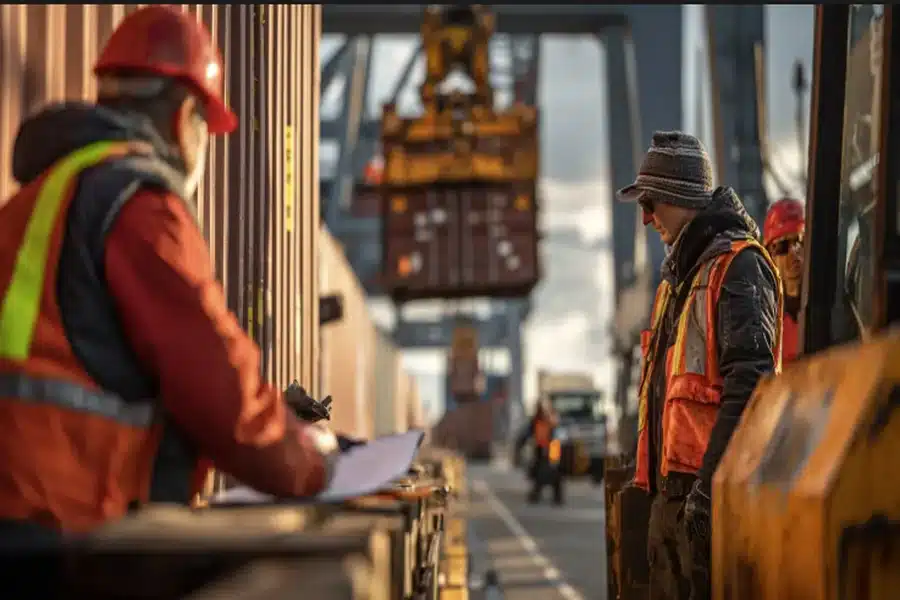
Never has it been simpler to trade across borders, though simplicity is no assurance. For businesses and entrepreneurs shipping Indian goods to the farthest corners of the world, logistics become a puzzle of storage, packaging, customs clearing, transporting, and delivering the last mile. This is where end-to-end logistics services step in. A trouble-free journey from the Indian warehouse floor to your customer’s doorstep in Europe, North America, or anywhere else on the planet.
Here, we’ll learn what warehouse-to-doorstep logistics actually means. Also how it benefits shippers, and what to look out for when choosing a provider. If you’re exporting small-volume consumer goods or filling a full container with industrial materials. Then understanding the entire journey of your cargo is key to avoiding delays and unexpected costs.
What Are Warehouse-to-Doorstep Logistics Services?
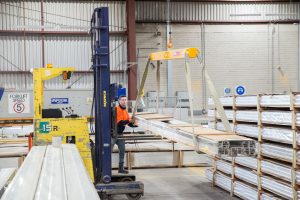
The name itself is buzzwordy, but what one is actually discussing is the real process. Doorstep-to-doorstep logistics services organize the entire life cycle of a shipment as a whole. It starts from merchandise picked up from an Indian manufacturing unit or warehouse and concludes with delivery at the end destination. That could be a warehouse in Los Angeles off port or in Berlin in some boutique.
The process generally consists of:
- Domestic pickup from supplier or warehouse in India
- Export documentation and India customs clearing
- Oversea freight via sea or air
- Destination import clearing
- Last-mile delivery to consignee
Having all these services under one bundled product, shippers are not faced with the hassle of navigating through many different companies, esoteric documents, or concern for cargo status at various checkpoints.
Why Integrated Logistics Makes a Difference
Blowing the logistics chain can cost everything. When customs clearance fails to occur, the shipping company faults the exporter. When the truck is delivered late, the freight forwarder shrugs. That abdication of responsibility causes delays, surprise charges, and an awful lot of angst.
Integrated logistics solves this problem by having one carrier ship the freight. One contract, one schedule, one point of contact, and hopefully, one negotiated price that is fixed. To small and medium-sized exporters, this is not just a convenience; it’s the method by which they are able to survive in international markets.
Another big plus is increased visibility. Most of the full-service logistics companies today are going to have some form of web-based tracking capability or smartphone application, so you’re always aware of where your freight is, where it stands in the process, and what’s next.
Understanding Cost Structures in Global Shipping
Pricing is probably the most vulnerable area of international logistics. It depends on distance, transportation mode, weight of the cargo, size of the container, customs fees, storage duration, and handling costs. While buying the services of a company that provides everything in one place, it’s always better to request a breakdown description of what is being offered.
Below is a general list of potential cost factors:
- Pickup and regional delivery in India
- Export customs documentation and fees
- Freight (air or sea)
- Container terminal terminal handling fees
- Import customs and duties in importing nation
- Last-mile delivery to destination
For shippers shipping to North America, or the US alone, container prices are highly relevant. Take the 40 ft container shipping cost from India to the USA, for instance. It can be very cost-effective depending on port of entry, time of year, and whether it is FCL (Full Container Load) or LCL (Less than Container Load) shipping. Pre-book booking and reserving quotes from a good carrier can prove costing savings of thousands of dollars per shipment.
Technology-Driven Logistics: How Digitization Shifts the Game
The modern-day logistics is computer-dependent. Right from route planning using artificial intelligence to real-time tracking and electronic documentation. Technology is changing the way goods are transported from one country to another. It doesn’t speed up delivery time only. It also reduces errors and miscommunications.
For carriers, empowerment and not risk. You can have automatic alerts when a container reaches port or when customs clearance is complete. Others even include predictive analytics to forecast delays or estimate various routes.
And where customers are expecting more than ever in this world, being able to keep promises on time and provide real-time visibility is a differentiator for your company.
Indian Shipping: A Rising Global Hub
India is slowly but surely emerging as a global hub of exports, particularly pharmaceuticals, textiles, machinery, and electronics. With Mumbai (Nhava Sheva), Chennai, and Mundra as major ports, it has East-bound and West-bound shipping lines to provide.
This allows for more international shipping from India, but more complicated. Free-trade pacts and port operations can differ even among Indian states. That’s why the choice of choosing a knowledgeable logistics firm of domestic and export operations is important.
Moreover, government policies like “Make in India” and export incentives make sure that more and more small and medium enterprises are entering international trade. That shift calls for solutions in logistics not only cost-effective but also scalable and able to match business growth.
How to Choose the Appropriate Logistics Provider
Having a good logistics partner makes or breaks your global supply chain. Ask yourself the following questions, while choosing your partner:
End-to-end visibility: Will they handle everything from start to finish, customs, and delivery?
Transparent pricing: Are you experiencing transparent nuances of what’s included and what isn’t?
Experience with your product type: Different product types are handled differently — e.g. perishables vs. electronics.
Global network: Do they have local representation or partners within your target market?
Responsive support: Are you able to get them quickly if something goes wrong?
Your logistics partner must be more of a business partner than a supplier, a person who understands your goals and helps you chop up into new markets on a continuous basis.
Last Thoughts
Shipping your products abroad is no walk in the park. But it does not have to be a nightmare. Doorstep to warehouse logistics services give you the advantage of speed, transparency, and assurance. The foreign market is full of promise, if only your product reaches on time, intact, without any hassle.
As India becomes more prominent as a node on the global supply chain, the appropriate logistics partner can transform shipping headaches into seamless international commerce.
We take care of the logistics so you can continue doing what you do best: expanding your business.