
What Blade Type Should You Use for Different Circular Saw Applications?
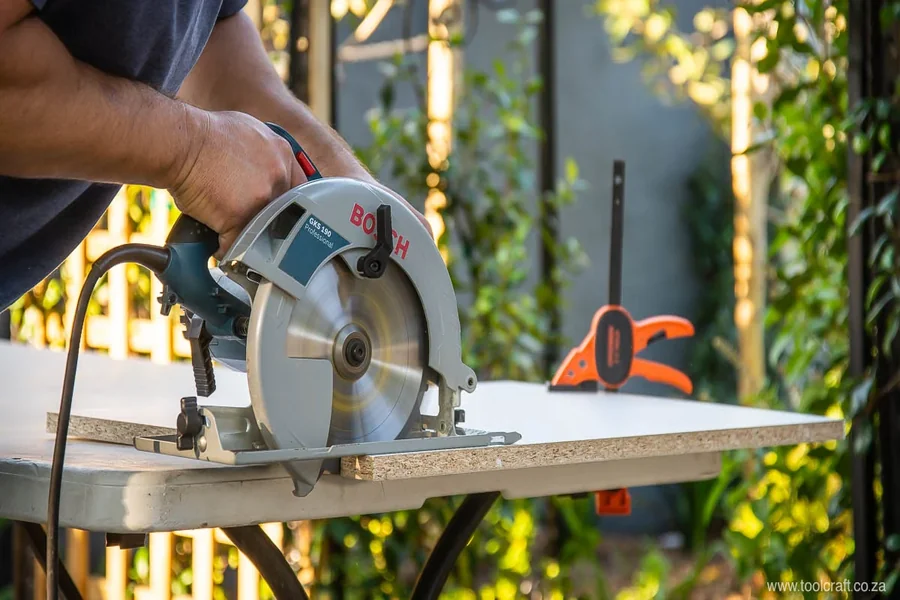
A circular saw is one of the most versatile power tools in any workshop, but its performance depends heavily on the blade you install. After spending more than a decade working on remodeling projects, framing jobs, cabinetry, and outdoor construction, I’ve found that the wrong blade is responsible for more poor cuts than an underpowered saw. Even a premium tool can’t deliver clean, accurate results if the blade isn’t matched to the material.
If you’re investing in a quality circular saw, understanding blade selection is just as important as choosing the tool itself. Tooth count, blade material, kerf width, and specialty designs all influence cutting speed, finish quality, and safety. Knowing when to switch blades can improve efficiency while extending the life of both your saw and your cutting accessories.
Why Blade Selection Matters More Than Motor Power
Many DIYers compare amperage or battery voltage first, but experienced woodworkers often begin with the blade.
The right blade helps:
- Produce cleaner cuts
- Reduce splintering
- Improve cutting accuracy
- Lower motor strain
- Extend battery runtime
- Minimize kickback
Choosing a blade designed for your material allows the saw to work efficiently instead of forcing it through unnecessary resistance.
Understanding Tooth Count and Its Effect on Cut Quality
One of the easiest ways to identify a blade’s purpose is by its tooth count.
Low Tooth Count (18–24 Teeth)
Best for:
- Framing lumber
- Construction lumber
- Pressure-treated wood
- Fast rip cuts
Fewer teeth remove material quickly, making these blades ideal when speed matters more than a perfectly smooth edge.
Medium Tooth Count (30–40 Teeth)
These general-purpose blades balance cutting speed with finish quality and work well for many common DIY projects.
High Tooth Count (60–80 Teeth)
Ideal for:
- Plywood
- Hardwood
- Trim work
- Cabinet panels
- Melamine
More teeth create finer cuts with less tear-out, making them suitable for visible finished surfaces.
Match the Blade to the Material
Different materials require different blade designs.
Solid Wood
Combination or ripping blades provide efficient cutting with minimal resistance.
Plywood and Veneered Panels
Fine-finish blades with higher tooth counts help reduce splintering along delicate veneer surfaces.
Composite Decking
Specialized carbide-tipped blades designed for composite materials produce smoother edges while reducing excessive heat.
Aluminum and Non-Ferrous Metals
Use blades specifically labeled for non-ferrous metals.
Never attempt to cut metal using a standard wood-cutting blade.
Carbide-Tipped Blades Offer Better Long-Term Value
Although they cost more initially, carbide-tipped blades typically outperform standard steel blades.
Benefits include:
- Longer cutting life
- Better edge retention
- Cleaner cuts
- Reduced sharpening frequency
- Improved performance in hardwoods
For homeowners who regularly use their circular saw, carbide blades usually provide better long-term value.
Thin Kerf vs. Full Kerf Blades
Blade thickness also affects cutting performance.
Thin Kerf Blades
Advantages include:
- Faster cutting
- Reduced battery consumption
- Less material waste
- Lower cutting resistance
These blades work especially well with cordless circular saws.
Full Kerf Blades
Better suited for:
- Heavy-duty applications
- High-powered saws
- Continuous professional use
- Greater blade rigidity
The best option depends on your saw’s power and the materials you cut most often.
Blade Coatings Can Improve Performance
Premium blades often include specialized coatings that reduce friction.
These coatings help:
- Lower operating temperatures
- Resist corrosion
- Prevent pitch buildup
- Improve cutting efficiency
While coatings don’t replace proper maintenance, they can extend blade performance during demanding projects.
Common Circular Saw Applications and Recommended Blade Types
For quick reference, here’s a practical guide.
| Application | Recommended Blade |
| Framing lumber | 24-tooth carbide blade |
| Hardwood flooring | 40-60 tooth finish blade |
| Cabinet plywood | 60-80 tooth fine-finish blade |
| Pressure-treated lumber | 24-30 tooth carbide blade |
| Composite decking | Composite-specific carbide blade |
| Non-ferrous metal | Metal-cutting blade |
Matching the blade to the project reduces cleanup, minimizes sanding, and produces more accurate cuts.
Blade Maintenance Improves Cutting Performance
Even the best blade loses efficiency without routine care.
After several projects:
- Remove resin buildup.
- Inspect for chipped teeth.
- Clean with a blade-safe cleaning solution.
- Store blades in protective cases.
- Replace damaged blades immediately.
Sharp blades require less effort, generate less heat, and improve overall cutting safety.
Common Blade Selection Mistakes to Avoid
After years of working alongside contractors and homeowners, these mistakes appear most often.
Using One Blade for Every Project
General-purpose blades are convenient but rarely provide the best results across multiple materials.
Ignoring Blade Condition
A dull blade increases motor strain, burns wood, and produces rough cuts.
Installing the Blade Incorrectly
Always verify that the blade rotates in the proper direction according to the saw’s directional markings.
Choosing Speed Over Finish Quality
Fast-cutting framing blades leave rough edges that often require additional sanding or trimming.
Selecting the proper finish blade from the beginning usually saves time overall.
A Practical Buying Checklist for Circular Saw Blades
Before purchasing your next blade, consider:
- What materials will I cut most often?
- Do I prioritize speed or finish quality?
- Is the blade compatible with my saw’s diameter and arbor size?
- Would a thin kerf blade improve battery runtime?
- Does the blade use carbide teeth?
- Is it designed for cordless or corded saws?
- Will it be used for rough construction or precision woodworking?
Answering these questions helps narrow your options far more effectively than comparing price alone.
Safety Tips for Better Cutting Results
Proper blade selection also improves safety.
Before each project:
- Verify the blade is securely installed.
- Inspect the blade for cracks or missing teeth.
- Wear safety glasses and hearing protection.
- Support workpieces properly.
- Allow the blade to reach full speed before entering the material.
- Never force the saw through the cut.
Following these practices helps reduce kickback while improving overall cut quality.
Final Thoughts
The blade you install has a greater impact on cutting quality than many woodworkers realize. Whether you’re framing a deck, building cabinets, installing flooring, or trimming plywood panels, selecting the proper blade improves precision, efficiency, and safety. Rather than relying on a single all-purpose blade, build a small collection designed for your most common materials.
A thoughtful blade choice not only produces cleaner cuts but also reduces wear on your circular saw, extends battery life in cordless models, and helps every project come together with fewer mistakes and less rework.
Frequently Asked Questions
What blade is best for cutting plywood?
A fine-finish carbide blade with 60 to 80 teeth is generally the best choice for minimizing splintering and producing clean edges.
Can I use a wood blade to cut metal?
No. Metal should only be cut using blades specifically designed and labeled for non-ferrous or ferrous metals, depending on the application.
Do carbide blades last longer than steel blades?
Yes. Carbide-tipped blades typically maintain their sharpness much longer and perform better in hardwoods and engineered materials.
Should cordless circular saws use thin kerf blades?
In many cases, yes. Thin kerf blades require less cutting force, helping improve battery efficiency while maintaining good cutting performance.
Where can I learn more about power tool safety?
The Occupational Safety and Health Administration (OSHA) offers guidance on power tool safety, while the National Institute for Occupational Safety and Health (NIOSH) provides resources on safe tool operation and workplace injury prevention.