Who Is the Ideal Candidate for a Deep Plane Facelift?
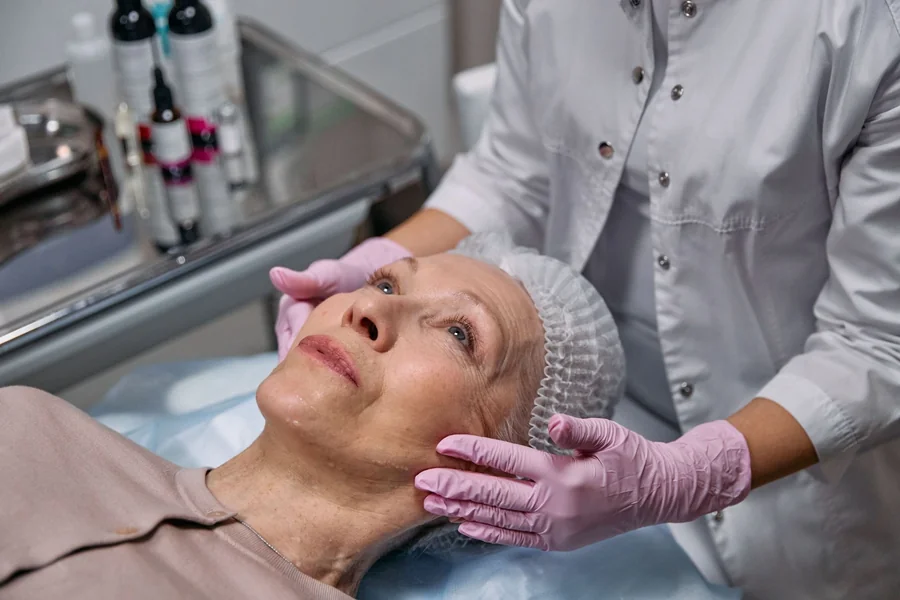
Facelift surgery has never been a single procedure. The techniques that surgeons use to address facial aging vary in their depth of tissue manipulation, the structures they address, the recovery they require, and the longevity of the results they produce. For patients researching facial rejuvenation, understanding those differences — particularly the distinction between more superficial techniques and the deep plane approach — is what allows an informed conversation with a surgeon rather than one that starts from the assumption that all facelifts are essentially the same.
The deep plane facelift has generated significant interest among both patients and surgeons over the past decade, driven by outcomes research that consistently shows more natural-looking, longer-lasting results for appropriate candidates compared to techniques that operate at a more superficial tissue level. What defines an appropriate candidate is a more specific question than the general enthusiasm for the technique sometimes suggests.
What the Deep Plane Technique Actually Does
Most facelift techniques operate primarily on the skin and the superficial layer of soft tissue just beneath it — the SMAS, or superficial musculoaponeurotic system. The deep plane facelift releases and repositions tissue at a deeper level, addressing the ligamentous attachments that hold facial soft tissue to underlying structures. As those ligaments relax with age, they allow facial fat compartments to descend in ways that create the jowling, nasolabial folding, and midface flattening that characterize advancing facial aging.
By releasing these attachments and repositioning the descended tissue in a more anatomically natural position, the deep plane facelift addresses the structural cause of these changes rather than simply tightening the overlying skin. The distinction matters because skin-tightening approaches produce results that look operated on in ways that tissue repositioning doesn’t, and that relapse more quickly as the underlying descent continues. A deep plane facelift moves the tissue that has descended rather than simply pulling the skin over it.
The Aging Pattern That Benefits Most
Not every presentation of facial aging responds to the deep plane technique more favorably than to less invasive alternatives, and identifying which presentations benefit most from this approach is part of what a thorough surgical consultation should address.
The patients who tend to be the best candidates for deep plane facelift are those with significant descent of the midface soft tissue — the cheek fat pads that in youth sit high on the face and that with age migrate downward, creating the flattened midface and deepening nasolabial folds that characterize middle-aged and older facial appearance. Significant jowling, loss of jawline definition, and descent of the soft tissue in the neck region are also presentations that the deep plane approach addresses effectively.
Patients with earlier-stage facial aging — those whose primary concern is skin laxity or early jowling without significant structural descent — may achieve adequate results through less invasive techniques and aren’t necessarily better served by the deep plane approach. Part of a skilled surgeon’s value in the consultation process is identifying which presentation warrants which technique rather than applying the most comprehensive approach uniformly.
Age, Skin Quality, and Overall Health
Candidacy for a deep plane facelift involves factors beyond the specific pattern of facial aging. Skin quality — its thickness, elasticity, and the degree of sun damage it’s sustained — affects how the tissue responds to deep repositioning and how the result settles over the recovery period. Patients with significantly compromised skin quality may not achieve the full benefit of deep tissue repositioning if the overlying skin can’t adapt to its new position and maintain it over time.
Overall health is a prerequisite that comprehensive facelift surgery places greater demands on than more limited procedures. The length of the surgery, the depth of the tissue work, and the recovery requirements all make thorough medical clearance more important for this technique than for less extensive interventions. Specific health conditions that affect healing, bleeding, or anesthesia tolerance require evaluation by both the surgeon and the medical team supporting the procedure.
Smoking is a candidacy concern that surgeons evaluate specifically because of its effect on wound healing and tissue perfusion. Many surgeons require a defined period of smoking cessation before operating, and some decline to perform comprehensive facelift procedures on active smokers because of the elevated complication risk involved.
Expectations and the Recovery Commitment
Candidacy for a deep plane facelift includes a commitment to the recovery that the procedure requires — and it’s a more significant recovery than less extensive facial procedures involve. Swelling, bruising, and the temporary distortion of appearance that follows a comprehensive deep plane facelift persist for weeks in ways that are predictable but that require patients to have the schedule flexibility and personal support to manage them without significant disruption to professional and social obligations.
Patients who understand and accept this recovery commitment going in tend to experience it differently than those who were inadequately prepared for what the first several weeks involve. The result at three months looks genuinely different from the result at three weeks, and patients who can hold the longer view during the more demanding early recovery period tend to have better psychological experiences of the process overall.
The Consultation’s Role
Ultimately, candidacy for a deep plane facelift is determined through a thorough evaluation by a surgeon with specific experience performing the technique — not from a patient’s self-assessment based on research. The consultation is where the specific pattern of aging, skin quality, health factors, and patient goals get evaluated together against the technique’s requirements and outcomes, producing a recommendation that reflects the individual rather than a general profile.