Why Are More Seniors Turning To Line Dancing For Fitness and Fun?
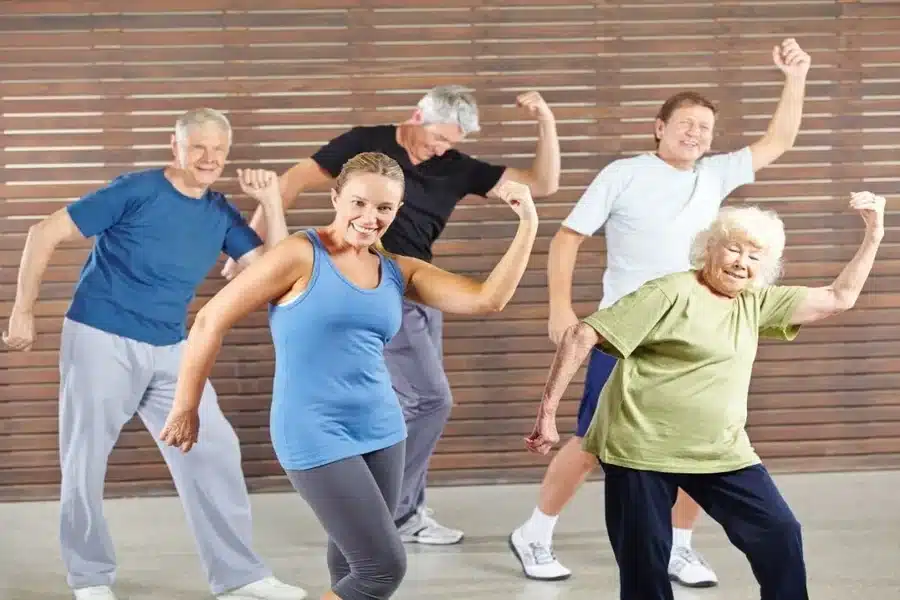
More seniors are swapping treadmills for toe taps, and it is easy to see why. Line dancing feels like a party, but it also works the body in a steady, low-pressure way that many seniors can stick with long-term. From community centers to assisted living communities, seniors are finding that a simple set of repeating steps can turn exercise into something that actually feels inviting, social, and doable.
A Low-Impact Workout That Still Builds Real Fitness
Line dancing gives seniors a cardio boost without the harsh pounding that comes with running or jump-heavy workouts. The steps encourage consistent movement, gentle turns, and controlled weight shifts that can help seniors build endurance over time. Because routines can be adjusted to match different ability levels, seniors can start slow and grow into more complex dances as confidence improves. Many dances also strengthen the lower body, especially calves, thighs, and hips, since seniors repeatedly step, tap, and glide in rhythm.
Even posture can benefit, because seniors learn to stay tall, keep their shoulders relaxed, and move with balance rather than rushing. The best part is that seniors often focus on the music and the flow, so the workout does not feel like a workout, even though the heart and lungs are clearly doing more work than they would during a typical seated activity.
Balance, Coordination, and Brain Benefits in One Activity
Seniors often choose line dancing because it challenges the body and the brain at the same time. Remembering step sequences, changing directions, and staying on beat all require attention, timing, and coordination. That combination can be especially appealing for seniors who want a fitness routine that feels mentally engaging instead of repetitive. Line dancing also encourages better balance because seniors practice shifting weight from side to side, stepping forward and back, and making small turns in a controlled way.
Over time, those patterns can help seniors feel steadier in everyday movement, like getting around the house or navigating a crowded room. There is also a confidence factor: learning a routine, improving week to week, and recognizing familiar steps can give seniors a real sense of progress that is easy to measure and fun to celebrate.
Social Connection That Keeps Seniors Coming Back
One reason more seniors are turning to line dancing is that it naturally builds community without putting pressure on anyone to “perform.” Seniors can join a class, stand in a line, and participate right away, even if the steps are not perfect. That welcoming setup makes it easier for seniors to show up consistently, which is often the hardest part of staying active. Line dancing also creates quick connections because seniors share laughs, small mistakes, and little wins together.
The music helps break the ice, and the repeated routines give seniors something familiar to return to each week. For seniors who feel bored with solo workouts, the social side can be the difference between quitting and sticking with it. When seniors associate movement with friendly faces and upbeat songs, exercise becomes less of a chore and more of a weekly highlight.
Simple, Accessible, and Adaptable for Many Seniors
Line dancing works for seniors because it does not require fancy gear, expensive memberships, or complicated planning. Seniors typically only need comfortable shoes, a safe space, and a class or video that matches their skill level. Many routines can be modified, which helps seniors with limited mobility still participate by reducing turns, shortening step distances, or slowing the tempo.
Because dances are taught in patterns, seniors can practice at home and return to class feeling more prepared. Seniors also appreciate that line dancing can fit different moods: some days, seniors may want a gentle routine, while other days, seniors may choose a faster song that adds more cardio. That flexibility makes line dancing feel sustainable, especially for seniors who want a fun way to stay active without feeling pushed beyond safe limits.
Conclusion
Line dancing is rising in popularity with seniors because it blends fitness, brain engagement, and social connection into one enjoyable routine. Seniors get movement that supports endurance and balance, plus the satisfaction of learning skills that improve over time. When exercise feels like fun, seniors are far more likely to keep showing up, and line dancing makes that feel natural.