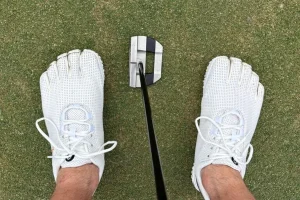
Why Barefoot Golf Shoes Are a Game Changer for Every Golfer
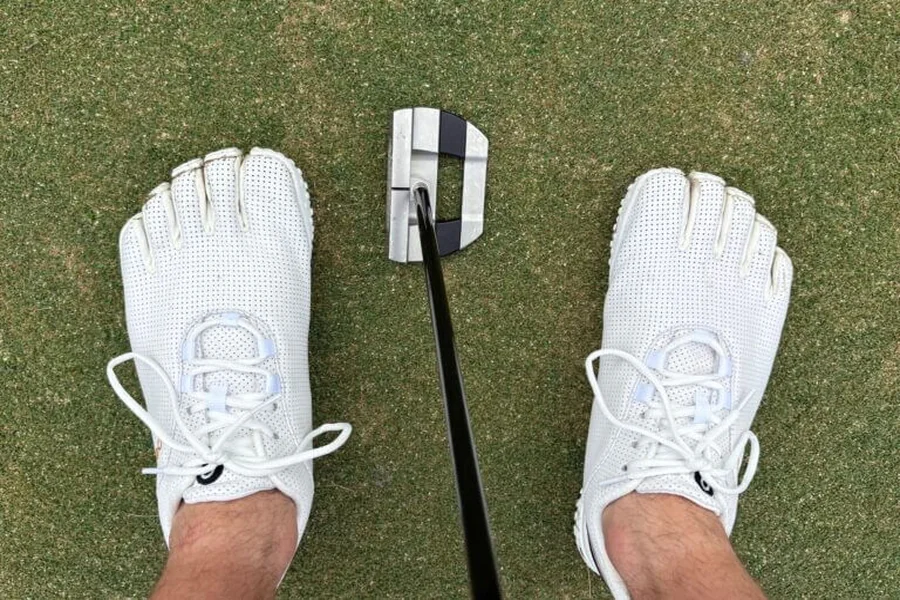
Key Takeaways
Barefoot golf shoes enhance stability and balance by improving ground connection and proprioceptive feedback—crucial factors for maintaining posture during swings.
The minimalist design of barefoot golf shoes allows for enhanced balance, adjustments to varying terrain, and greater swing tempo, which ultimately leads to more consistent ball striking.
Golfers making the switch to barefoot footwear often report improvements not just in swing accuracy, but also in overall confidence, underscoring the significant impact a shoe choice can have on performance.
When shopping for barefoot golf shoes, key features to consider include minimalistic design, flexibility, lightweight materials, and water resistance—all tailored to fit personal preferences.
When transitioning to barefoot golf shoes, golfers may need to overcome myths regarding foot support. Many find improved comfort and conditioning after an adjustment period.
Long-term, barefoot golf shoes may reduce injury risk and enhance overall body mechanics, as they promote natural foot positioning and muscle engagement.
Several footwear brands in this niche emphasize sustainability, offering eco-friendly options that resonate with golfers’ values for environmental responsibility in their equipment choices.
How Barefoot Golf Shoes Enhance Stability and Balance
The Science Behind Ground Connection
At the heart of effective golf performance is the golfer’s connection to the ground. Barefoot golf shoes help create a unique relationship to the surface that traditional footwear often lacks. These shoes maximize proprioceptive feedback, which is key for both stability and balance. Research shows this heightened ground sensitivity plays a significant role in a golfer’s ability to maintain posture and composure, especially during swings.
The effectiveness of barefoot technology largely stems from its design. With their thinner soles and flexibility, these shoes replicate the feeling of being barefoot. A study published in the Journal of Sports Sciences demonstrated that players using minimalist footwear displayed improved balance metrics. As golfers feel the variations in terrain, their capacity to make dynamic adjustments increases. That’s science at work.
Yet, this connection does more than offer comfort. It translates to better control over swing mechanics, enabling improved weight transfer and follow-through. Golfers typically find that this newfound awareness enhances their swing tempo, allowing them to strike the ball more consistently.
Real-World Impact on Swing Performance
When it comes to swing performance, grip, club selection, and technique are often at the forefront. However, the choice of footwear is equally vital. Experts argue that the stability provided by barefoot golf shoes can lead to surprisingly nuanced enhancements in swing execution. Every golfer recognizes the importance of a stable base; without it, inconsistency tends to flourish.
Recent surveys conducted among both amateur and professional golfers reveal that those who have transitioned to barefoot footwear often report gains not just in swing accuracy but also in overall confidence on the course. The real-world impact is clear. With a more natural connection to the ground, golfers are likely to achieve a smoother swing arc, leading to more effective shots.
Moreover, practitioners are now exploring wearable technology, such as pressure sensors in shoes, to validate these claims. Those wearing barefoot shoes experience even pressure distribution throughout their gait, as highlighted by ongoing research in biomechanics. Changes in a golfer’s form can quickly become observable, and that’s where noticeable differences start to emerge.
Choosing the Right Pair: What to Look For
Key Features That Make a Difference
Finding a fitting pair of barefoot golf shoes shouldn’t feel like a marathon. It’s essential to zero in on specific characteristics that can directly influence performance on the green. Here are some key features to look for:
- Minimalistic Design: A lower profile promotes closer ground contact and a better feel.
- Flexibility: Shoes designed to mimic barefoot movement allow the foot to function naturally.
- Lightweight Materials: These help minimize fatigue, allowing for longer rounds without discomfort.
- Water Resistance: Critical for damp conditions, keeping feet dry aids in maintaining focus and comfort.
Prospective buyers are advised to weigh these features against their personal preferences and playing conditions. After all, one size doesn’t fit all.
Ultimately, finding the right fit tends to take precedence over brand loyalty. This is non-negotiable. A poorly fitting shoe can not only diminish performance but also cause unnecessary fatigue. Shoes that adapt to the unique shape of one’s foot ensure optimal grip and stability on every swing.
Brands Stepping Up Their Game in Barefoot Technology
Numerous brands are now at the forefront of creating innovative barefoot golf shoe designs. Companies like Xero Shoes and Vivobarefoot have made substantial strides in redefining what’s achievable in golf footwear. By merging stylish aesthetics with cutting-edge technology, these brands are proving that functionality doesn’t have to come at the expense of appearance. Here are a few notable contenders:
- Xero Shoes: Focuses on lightweight, high-performance designs.
- Vivobarefoot: Renowned for using sustainable materials without compromising flexibility.
- FootJoy: An established name that’s introducing barefoot-inspired options for enthusiasts.
Golfers seeking an advantage should pay attention to how these brands emphasize their unique features. Each company promotes selling points that align with modern consumer priorities—sustainability combined with performance. In a saturated market, informed choices yield significant benefits.
Transitioning to Barefoot Golf Shoes: What to Expect
Overcoming Common Myths and Misconceptions
A major obstacle for golfers aiming to switch to barefoot golf shoes lies in the myths that surround them. Traditional footwear has dominated the conversation for years, which has led to enduring misconceptions. Common worries often include doubts about foot support or stability. Many transitioning golfers wonder: Can barefoot shoes offer sufficient cushioning? The answer isn’t straightforward.
While barefoot shoes do provide a different style of support—more aligned with the body’s natural biomechanics—the reality is that numerous players adapt after a brief adjustment period. Switching doesn’t necessarily mean sacrificing comfort; in fact, many golfers find their feet become acclimated to handle varied terrain better over time. It’s quite an uncommon shift in perspective.
It’s vital to approach this transition with an open mindset and readiness to adapt. Understanding that technique and form can evolve alongside footwear choice is key. After acclimatization, golfers typically report a newfound sense of freedom in their movement on the course.
Expert Tips for a Smooth Switch
Transitioning might feel intimidating, but with the right strategies, it can be manageable. Here are some expert recommendations for ensuring a smooth switch:
- Start Slow: Initially, begin with shorter practice rounds to build foot strength and comfort.
- Gradual Increase: Slowly integrate barefoot shoes into the routine.
- Focus on Technique: Leverage the new footwear to enhance swing mechanics while remaining mindful of body alignment.
Many practitioners suggest tracking progress to stay motivated during what can be a challenging adjustment phase. Observing improvements in balance and swing consistency encourages continued use.
Eventually, golfers tend to find that barefoot golf shoes morph from being a novelty to becoming a staple in their golfing gear. Incorporating these shoes into their regular routine can lead to enduring positive outcomes.
The Long-Term Benefits of Barefoot Golf Shoes
Injury Prevention: A Game Plan for Longevity
Injuries among golfers can substantially derail regular play. While cushioning and support are critical in traditional footwear, that’s not the complete narrative. With barefoot golf shoes, players frequently mention that strengthening foot and lower leg muscles generally results in reduced injuries. The natural positioning encourages proper muscle engagement, enhancing overall body mechanics.
Even minor adjustments in foot posture can produce significant influences on alignment throughout the body. Natural foot strikes lead to diminished strain on joints. Routines often become notably less prone to fatigue, which is a major concern during extended rounds. Injury statistics provide further insight: a recent study revealed significant reductions in common golf-related injuries after players made the transition.
How refreshing is that? It’s not solely about boosting performance; it’s about sustaining that performance over time. Longevity can indeed be achieved when injury prevention is part of the overall strategy.
Environmental Impact: Sustainable Choices in Golf Gear
With the rise of environmental awareness, many golfers increasingly seek ways to ensure their choices reflect those values. It’s interesting to note that barefoot golf shoes frequently originate from brands that prioritize sustainability. Utilizing eco-friendly materials and production techniques, these companies contribute to a greener, more sustainable golfing experience.
Golfers can take pride in knowing their footwear choices align with their commitment to preserving the sport for future generations. Brands leading the charge in eco-friendliness include those producing shoes from biodegradable materials and implementing low-impact manufacturing practices. It’s a step in the right direction.
This environmental focus allows golfers to personalize their experiences in meaningful ways. Not only does this approach set their gear apart, but it also facilitates conversations about broader implications for the industry.
As members of a larger community concerned about golf’s footprint, the transition toward barefoot golf shoes embodies a dual commitment: enhancing individual performance while also advocating for sustainable practices.
FAQ
What should golfers consider when transitioning to barefoot golf shoes?
Golfers ought to emphasize the necessity of the adjustment phase, taking the time to enhance foot strength and adjust to new mechanics. Gradually incorporating barefoot shoes into practice rounds ensures a smoother transition while remaining attentive to swing technique and body alignment.
How do barefoot golf shoes influence overall fitness levels?
By promoting natural foot positioning and activating essential muscle groups, barefoot golf shoes contribute considerably to overall fitness. Many golfers notice their lower leg and foot muscles growing stronger over time, resulting in improved balance and stamina on the links.
What specific advantages do barefoot golf shoes offer over traditional footwear?
Barefoot shoes provide an unmatched ground connection—yielding heightened proprioceptive feedback. This results in improved balance and weight transfer during swings, which many golfers feel translates into better swing accuracy and greater confidence on the course.
Can barefoot golf shoes be worn in all weather conditions?
Numerous barefoot golf shoes come equipped with water-resistant features, offering protection in light rain. Yet, golfers should check the materials and designs of specific shoes to confirm they meet their comfort and performance needs across various weather conditions.
How can golfers assess the right fit when choosing barefoot golf shoes?
A proper fit remains crucial, so golfers are encouraged to try on shoes while mimicking their movements on the course. It’s important to focus on how the shoe molds to the foot, allowing flexibility and natural movement, all while personal comfort remains essential for optimal performance.
What role does brand reputation play in selecting barefoot golf shoes?
Brand reputation can hold substantial weight, as established brands are often more invested in research and development to create superior products. Golfers should reflect on the experiences of others and investigate how various brands approach technology, sustainability, and performance in their shoe offerings.
Is there a recommended break-in period for barefoot golf shoes?
While some golfers may experience instant comfort, a break-in period is generally advisable. Initiating with shorter practice sessions allows the feet to adapt more seamlessly, reducing potential discomfort during longer rounds as the muscles strengthen and adjust.
How do barefoot golf shoes contribute to eco-friendly practices?
Many brands crafting barefoot golf shoes emphasize sustainability, employing biodegradable materials and low-impact manufacturing methods. This dedication enables golfers to align their performance gear selections with their eco-friendly values, making a positive impact on the sport’s environmental footprint.