Why Grandparents and Grandkids Bond Over Fantasy Board Games
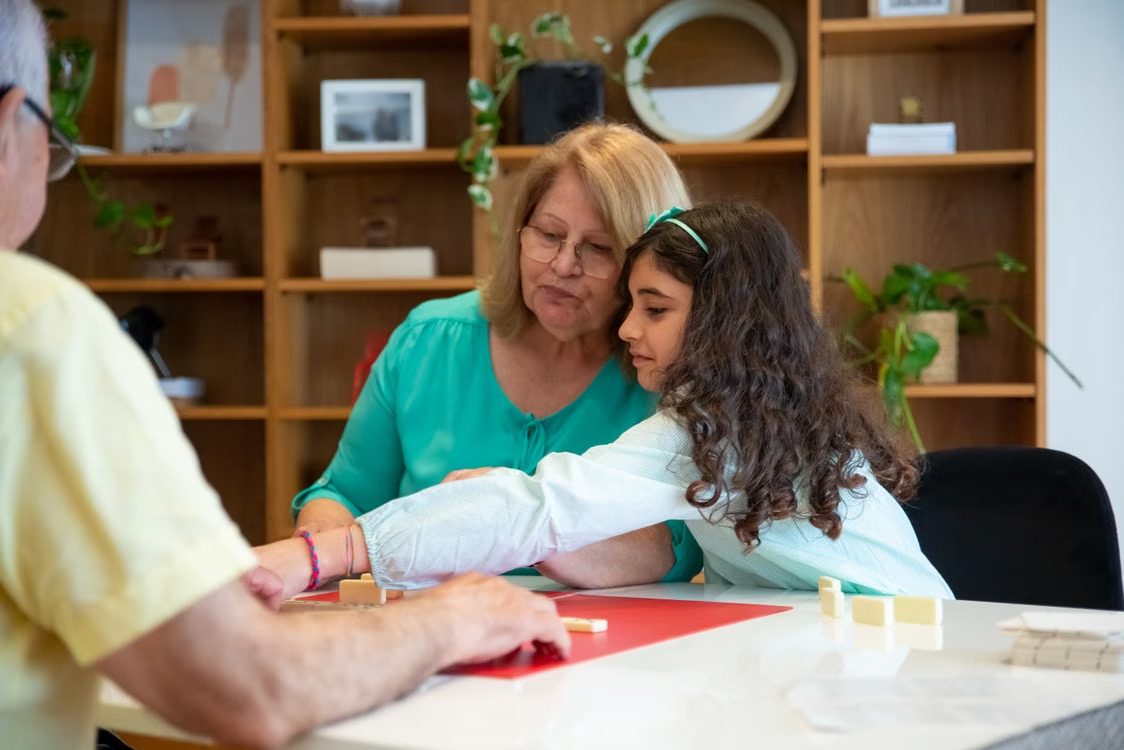
There is something quietly magical about watching a grandparent lean across a table, fully absorbed in a world of dragons, quests, and imaginary adventures alongside their grandchild.
Fantasy board games can create a shared space where age matters a little less. Instead of simply passing the time, grandparents and grandchildren can tell stories, solve problems, make decisions, and laugh through the unexpected turns of a game.
The appeal goes beyond entertainment. These games give both generations something to focus on together, making conversation and connection feel more natural.
The Science Behind Play and Intergenerational Bonding
Emerging research suggests that intergenerational board games can encourage positive social interaction.
In a 2025 observational study involving older adults and school-aged children, participants displayed prosocial behaviours such as supporting, sharing, comforting, and complimenting one another. Older adults showed several of these behaviours particularly often.
While the study did not specifically examine grandparents and grandchildren, the findings help illustrate what can happen when younger and older players share a structured activity.
Families interested in fantasy tabletop play can also explore dungeons and dragons board games, which include a range of D&D-themed board game titles built around adventure, strategy, and collaborative storytelling.
When grandparents and grandchildren sit down to play, they may practise communication, negotiate decisions, explain rules, and work through challenges together. These small interactions can give both players new ways to understand how the other thinks.
Fantasy settings can make the experience even more playful. Inside an imaginary world, both players are learning the situation together. The grandparent does not have to be the expert, and neither does the grandchild.
Why Fantasy Themes Work Across Generations
Fantasy draws on familiar storytelling ideas such as heroes, quests, mysteries, magical creatures, and challenges to overcome.
A grandparent who grew up with fairy tales, mythology, or adventure stories may recognise many of these themes. A grandchild who enjoys animated films, video games, fantasy novels, or superhero stories may find them equally familiar.
That gives both generations a possible meeting point.
Instead of relying on one person’s existing hobby or expertise, a fantasy game gives them a shared fictional world to explore. One player might become interested in the strategy, while the other enjoys the story or characters.
Grandparents who enjoy storytelling can bring their imagination into the game. Grandchildren can contribute their own ideas, explain mechanics they understand quickly, or suggest creative ways to approach a challenge.
The result does not have to be a perfectly played game. The value often comes from participating together.
Building Vocabulary, Strategy, and Patience Together
Fantasy board games can also introduce opportunities for learning without making the activity feel like a lesson.
Children may encounter unfamiliar words, practise reading instructions, plan ahead, consider consequences, and make choices based on limited information. They also learn that games do not always go according to plan.
For grandparents, learning new rules, remembering information, and thinking strategically can provide cognitive engagement. Board games should not be treated as a guaranteed way to improve cognitive health, but they can offer an enjoyable reason to stay mentally involved and learn something new.
Playing together also allows both generations to contribute different strengths.
A grandchild might pick up a rule more quickly and explain it. A grandparent might model patience when a plan fails or encourage everyone to slow down and reconsider a decision.
In cooperative fantasy games, players may also work towards a shared goal rather than simply competing against one another. This creates opportunities to practise teamwork and problem-solving together.
Bridging the Distance When Families Live Apart
Many families live in different cities, regions, or even countries. That can make spontaneous time together difficult.
A shared game can give grandparents and grandchildren a reason to schedule regular conversations.
Some tabletop games can be adapted for video calls when both sides have access to the necessary rules or components. Families may also use digital versions or companion tools that make remote play easier.
The activity gives the conversation structure. Instead of relying entirely on questions such as “How was your week?”, both people have something happening in front of them.
A campaign or continuing game can be especially useful for this. Each session becomes part of an ongoing story. Players develop inside jokes, remember unexpected victories, and look forward to seeing what happens next.
Distance still matters in grandparent-grandchild relationships, but regular shared activities can help families create deliberate opportunities to stay involved in one another’s lives.
Creating Traditions That Last
Regular game sessions can gradually become family traditions.
A grandchild may not remember every rule, score, or character years later, but they may remember sitting at the table with a grandparent who genuinely joined the adventure.
That distinction matters.
Rather than simply watching from the sidelines, a grandparent becomes part of the child’s imaginative world. They roll the dice, make decisions, react to surprises, and take the game seriously enough for the experience to feel shared.
Imaginative games can also create opportunities for conversation. Characters, challenges, and unexpected situations give grandparents and grandchildren things to discuss, question, and build together without forcing the conversation.
Families can choose from fantasy board games with different levels of complexity, so beginners can start with something manageable before trying longer or more detailed games.
The specific game matters less than the willingness to participate.
When grandparents and grandchildren sit down together, put away other distractions, and enter the same imaginary world for a while, the board game becomes more than entertainment. It becomes another way to spend meaningful time together and create stories they can remember long after the pieces are packed away.