Why Outdoor Spaces Matter for Customer Experience & Branding
Why Outdoor Spaces Are Becoming a Bigger Part of the Customer Experience
A decade ago, outdoor space was an afterthought for most businesses, a parking lot, a sidewalk, maybe a patio tacked on as a seasonal bonus. That thinking has quietly reversed. Outdoor space is now one of the most valuable pieces of real estate a business has, and the brands that treat it as a core part of the customer journey are the ones pulling ahead.
This shift didn't happen overnight, and it isn't a passing trend. It's the result of changed customer expectations that aren't going back to where they were.
The Pandemic Changed What "Comfortable" Means Outdoors
The forced move outdoors during 2020 and 2021 did something permanent to customer behavior: it proved that outdoor space could be just as comfortable, just as premium, and just as functional as an indoor setting, if it was designed properly.
Customers who got used to dining, shopping, and gathering outdoors didn't fully retreat once indoor options reopened. Many came to prefer it. Fresh air, more personal space, and a lower-pressure atmosphere became genuine draws rather than compromises businesses hoped customers would tolerate.
The businesses that responded by investing in real outdoor infrastructure, proper shade, weatherproof furniture, defined layouts kept that customer base. The ones that treated their outdoor space as temporary or improvised largely lost it back to competitors who took it seriously.
Outdoor Space Is Now a Brand Touchpoint, Not Just a Utility
The most important shift is conceptual. Outdoor areas used to be evaluated purely on function: does it provide shade, does it have seating, is it usable. Today, outdoor space is evaluated the same way interior design is, as an extension of the brand experience.
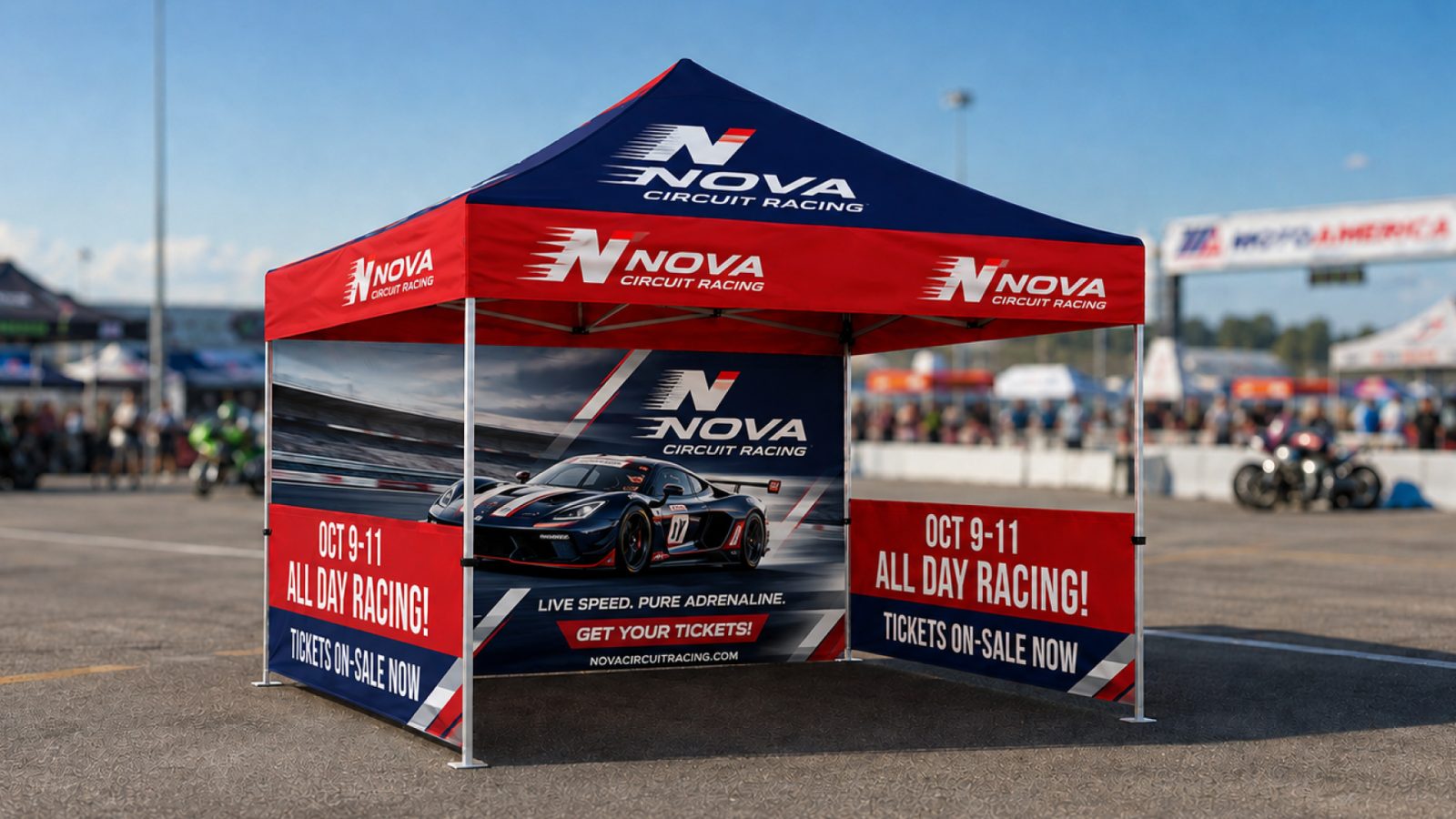
A well-designed outdoor seating area with cohesive branding, quality materials, and thoughtful layout tells a customer something about the business before a single interaction happens. It signals investment, consistency, and attention to detail. A mismatched umbrella, a folding table, and a hand-lettered sign tell a different story entirely, regardless of what's actually being sold underneath them.
This is particularly visible in hospitality, retail, and event-based businesses, where outdoor space often forms a customer's very first impression before they've walked through a door, browsed a menu, or spoken to staff.
Shade and Weather Protection Now Function as Design, Not Just Coverage
One of the clearest signs of this shift is how businesses are treating shade structures. What used to be a purely practical purchase get something that blocks sun and rain is now approached as a design decision that shapes the entire outdoor footprint.
Commercial outdoor umbrellas have become a case study in this change. Rather than functioning as a plain, uniform cover, they're increasingly used as branded, color-matched elements that tie an entire outdoor seating area together visually while still solving the practical problem of shade and weather exposure. A well-chosen set of Commercial Outdoor Umbrellas does both jobs at once protecting guests and reinforcing brand identity in a space that used to get almost no design attention at all.
The same evolution shows up in seasonal and event-based settings. A business running a seasonal beachfront pop-up, a coastal retail activation, or an outdoor hospitality event needs shade that performs reliably against sun, wind, and shifting weather, without looking like an afterthought. A properly built beach shade tent gives that kind of setup durable coverage that still contributes to the overall guest experience, rather than just keeping the sun off.
Outdoor Layout Is Becoming a Retention Strategy
Comfortable outdoor space doesn't just attract first-time customers, it increases how long they stay and how often they come back. Businesses tracking dwell time consistently find that well-designed outdoor areas outperform cramped or purely functional ones on both repeat visits and average spend per visit.
That's pushed outdoor design further up the priority list for a growing number of businesses. Layout decisions that used to be an afterthought like furniture spacing, shade placement, sightlines, weather protection are now treated with the same intentionality as interior floor plans, because the data increasingly shows they deserve to be.
The Takeaway
Outdoor space has moved from a secondary consideration to a genuine extension of the customer experience, and customer expectations have shifted permanently to match. Businesses that invest accordingly in real shade, real design, and a layout built for comfort rather than convenience aren't just improving their outdoor area. They're building a first impression that starts working before a customer ever steps inside.