
How Thoughtful Home Decor Can Improve Everyday Comfort and Productivity
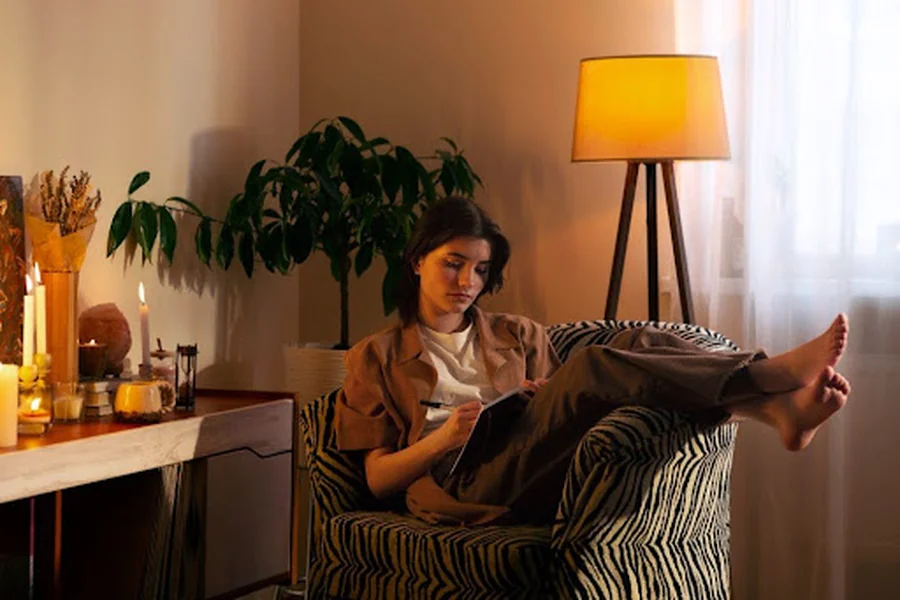
Many people think that home decor is only about picking pretty furniture and finding the latest design trends. It is important to understand that it is also about how a space makes you feel in everyday life and how well it helps you to perform each day. When you design your home with consideration, you make a lot of daily tasks easier and smoother. Homeowners need to create a space where people can relax and focus. They must understand that small things also matter a lot. These may include having comfortable seating or good lighting. With these simple choices, a room can really change how it feels and performs.
While a room should look good in pictures, it should also make your everyday life easier. Consider how the room is laid out and how the colors and pieces go together. When you match decoration items with your routine, the home becomes warm and inviting.
Create a Layout That Supports Daily Activities
Furniture arrangement can directly impact how people move around the house. Wrong placement can feel uncomfortable because of restricted movement. It may lower the visual appeal of the home even when you put trendy accessories and beautiful furniture. Try placing the furniture in a way that creates open pathways and makes everyday activities more convenient. For instance, sofas should allow easy access to seating areas. Moreover, if we consider dining tables, they should also have enough surrounding space for people to sit comfortably.
Before you decide where each piece of furniture belongs, you should consider the purpose of each room. Having a central point surrounded by a seating arrangement is a good idea for a living room. Likewise, a bedroom should have a clear path to the bed or cupboards. The whole home design becomes easier to navigate when furniture placement supports the purpose of each room.
Improve Lighting for Better Productivity
Lighting is a major part of home decor, as it can have a significant effect on visibility and the overall atmosphere of the space. Having poor lighting can make everyday tasks more complicated. It can also cause unnecessary eye strain. Homeowners should get a good lighting system to support daily activities. These may include studying or cooking.
Natural light can be extremely valuable during the daytime. Homeowners should make better use of sunlight by keeping their windows clear. They should also choose lightweight curtains that balance both privacy and light.
Mirrors also help distribute available light throughout the room. You can use task lighting if there is a space that requires focused attention. Desk lamps are a great option for work and study. Kitchens should also have good lighting to not make the space feel dull. Under-cabinet lights are a good choice for this purpose. Combine different light sources to create a flexible environment that supports changing daily needs.
Remove Clutter From Living Spaces
Having lots of clutter in the house can make even a spacious space feel difficult to manage and crowded. You must have designated places for everyday items like keys and documents. If you do not keep them organized, you may spend extra time searching for everything. Try keeping a more organized environment to reduce these small frustrations and make daily routines much easier to maintain.
Have practical storage solutions to improve both the functionality and appearance of a home. Storage baskets can hold magazines, while cabinets can keep frequently used items out of sight. Get trendy shelves to provide space for decorative accessories and books without occupying valuable floor area. Entryway organizers can also help a lot in keeping bags and shoes in one place.
You should also avoid filling every surface with ornaments. Leave some areas clear to create visual breathing room and make cleaning easier. A home can feel more manageable and allow people to focus on activities that matter when it is organized.
Invest in Comfortable and Functional Furniture
While choosing furniture, you should focus on how it supports the way you live rather than just serving as a decorative feature. Comfortable chairs and resting arrangements can make family time more enjoyable. A supportive chair can improve the experience of working from home. Homeowners can create rooms that remain useful long after the latest design trends change when they choose furniture based on comfort and function. This does not mean that you should entirely ignore the aesthetics of the furniture. Try finding something that balances both the design and comfort.
The right furniture also depends on the size of the space. If you have a small living room, large sofas may be overwhelming. You can have extendable dining tables that offer flexibility for homes that occasionally entertain guests. Find beds with built-in storage spaces to maximize storage in smaller bedrooms.
Devon Howard, CEO of Andor Willow, considering the home comfort and design, said,
“A well-designed interior should make everyday activities feel easier, not just look attractive in photographs. The way a room is organized, how visual elements work together, and whether the space serves its intended purpose all contribute to a more comfortable home environment.”
Choose Colors that Encourage Comfort
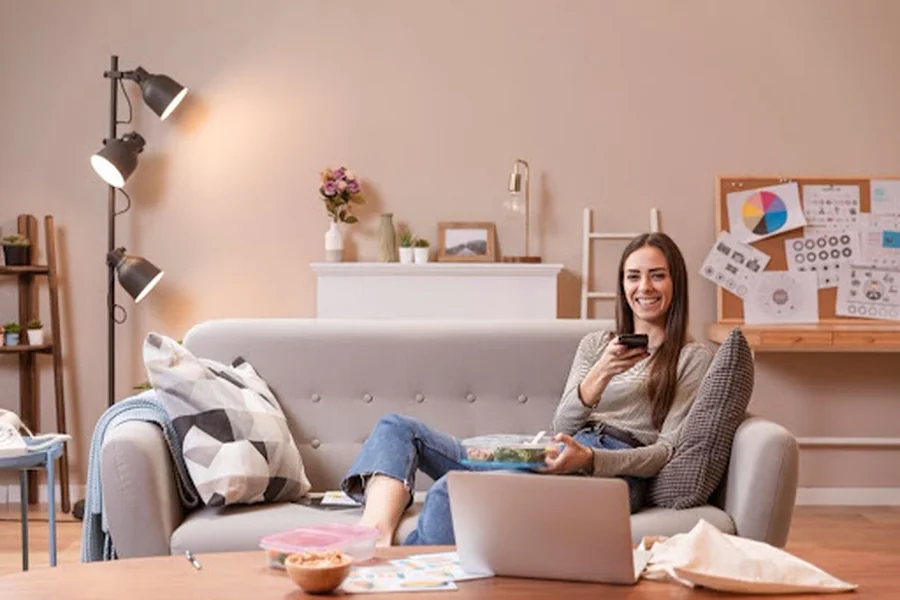
Colors have a major influence on the atmosphere of the room and can impact how people experience their surroundings. Using soft neutrals like warm white and beige can often create a relaxed environment. Gentle blues and muted greens can introduce a sense of calm. These shades perform well in reading corners or bedrooms where people usually want to unwind after a long and busy day.
This does not mean that bright colors cannot have a place in a thoughtfully decorated home. Deeper shades can add character to a living room. Yellow accents may bring energy to kitchens. The main goal is to create a balanced combination that suits the purpose of the room. Avoid adding too many colors, as they can make the space feel visually busy. A consistent palette allows different areas to feel connected while also helping the furniture and decorative pieces to stand out naturally.
Design a Dedicated Area for Work and Study
Dedicated work areas have become significantly useful as remote work and home-based learning are becoming more common. A thoughtfully arranged workspace can help separate professional responsibilities from personal life. A compact desk and comfortable chair can build a practical area for focused tasks even in a small household.
Make sure that the workspace has sufficient lighting and easy access to frequently used supplies. Keep cables organized and limit unnecessary decorations to reduce distractions. Desk organizers or shelves can offer storage without allowing paperwork to spread across the whole room. A functional workspace makes it easier to build routines and maintain concentration throughout the day.
Conclusion
Thoughtful home decoration can improve daily life by making living spaces more functional and comfortable. The right furniture and combination help create an environment that supports productivity and relaxation. Even small changes can also make everyday routines easier without demanding expensive renovations.
Remember that a home that is well-planned shows the needs of the people who use it. Considering comfort and organization alongside visual appeal can create spaces that feel practical and welcoming. These improvements can also help homeowners to rent out their houses at good prices.