
Why Proven Lubricants Matter for Maximizing Fleet Efficiency
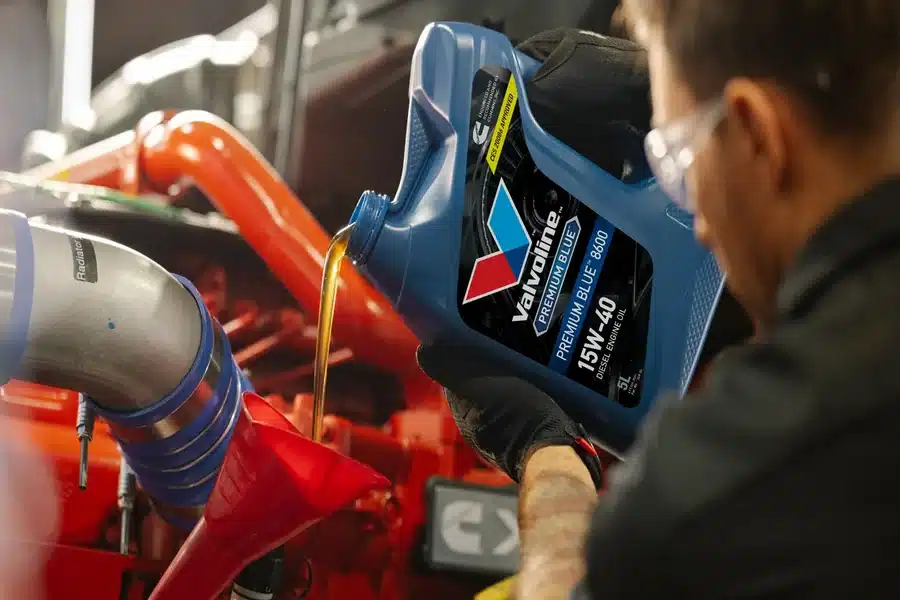
For transportation companies to continue operating smoothly and economically, effective fleet management is essential. Using lubricants correctly is one of the most important aspects of guaranteeing optimal performance. Lubricants are essential for lowering wear and tear, increasing fuel economy, and prolonging the life of automobiles, even though many people may not recognize their importance in fleet operations. This article explores the major benefits of using proven lubricants and explains why they are essential for optimizing fleet efficiency.
Minimizing Engine Damage and Wear
Reducing engine wear and tear is one of the main purposes of lubricants in fleet cars. Commercial vehicles’ engines are constantly under stress from heavy loads, high speeds, and fluctuating temperatures. Engine components like pistons, valves, and bearings may encounter friction if they are not properly lubricated, which could hasten wear. Proven lubricants that are designed especially for heavy-duty tasks aid in creating a barrier of protection between moving parts. This guarantees smoother engine operation by lowering friction and reducing the possibility of overheating and severe damage. Fleet managers can thus avoid expensive repairs and downtime that might otherwise affect the fleet’s overall effectiveness.
Improving Fuel Economy
Lubricants are essential for increasing fuel economy. Automobiles that use premium, well-tested lubricants run more smoothly and effectively. Lubricants lower friction, which lowers the energy consumption of the engine. Proper lubrication of the engine contributes to reduced fuel consumption because it takes less effort to move the car and power the wheels. Given that fuel costs frequently account for a sizable amount of operating expenses, fleets may see a major increase in profitability as a result of these fuel savings. Businesses can lower fuel consumption without sacrificing performance by using the proper lubricant, which will increase the fleet’s overall efficiency.
Improving Schedules for Fleet Maintenance
Fleet vehicles must have regular maintenance to remain in good operating order, and lubricants are crucial to this process. Fleet managers can optimize responsive fleet maintenance schedules by using high-quality lubricants, which decrease the frequency of oil changes and maintenance checks. Proven lubricants increase the time between oil changes, which lessens the workload for maintenance crews and lowers labor expenses. Because fewer cars are being pulled off the road for maintenance, operations are also less disrupted. Businesses can increase fleet utilization, streamline operations, and boost overall efficiency with an optimized maintenance schedule.
Avoiding Breakdowns and Increasing Vehicle Lifespan
A fleet’s operations can be seriously disrupted by unforeseen breakdowns, which can result in expensive repairs and downtime. By reducing the chance of engine failure, the proper lubricants can aid in the prevention of such problems. Proven lubricants help avoid problems like clogging of the engine’s internal components, in addition to reducing wear and tear. Lubricants keep the system clear, preventing the accumulation of carbon deposits, sludge, and other debris that could hinder vehicle performance. As a result, engine parts last longer, and cars can run for longer periods before requiring significant repairs. Fleet managers can increase overall productivity by keeping their vehicles on the road for longer periods with less downtime and maintenance interruptions.
Guarding Against Adversities
Fleet cars frequently work in challenging environments with high stress levels, heavy loads, and extremely cold temperatures. Not all lubricants are made equal in these situations. Superior protection may be provided by tested lubricants made for particular circumstances. Certain lubricants, for instance, are designed to function well in hot conditions, while others are made to endure cold conditions without becoming too viscous to move. Even in the most trying situations, these specialty lubricants help guarantee that automobiles keep performing at their best. Fleet managers can safeguard their investments and avoid expensive environmental damage by using lubricants made for particular operating conditions.
High-quality lubricants aid in the seamless operation of commercial fleets by lowering engine wear, improving fuel efficiency, avoiding downtime, providing protection from adverse conditions, and streamlining maintenance schedules. Better performance and long-term cost savings can result from purchasing lubricants made especially for fleet vehicles’ particular requirements. The significance of choosing the appropriate lubricants should not be understated, as fleet operators continue to look for methods to increase productivity and lower operating expenses. Fleet managers can guarantee their cars are performing at their peak efficiency and contribute to the company’s overall success by selecting the right lubricant.