Why Staying Updated With OTR Driver News Matters On The Road
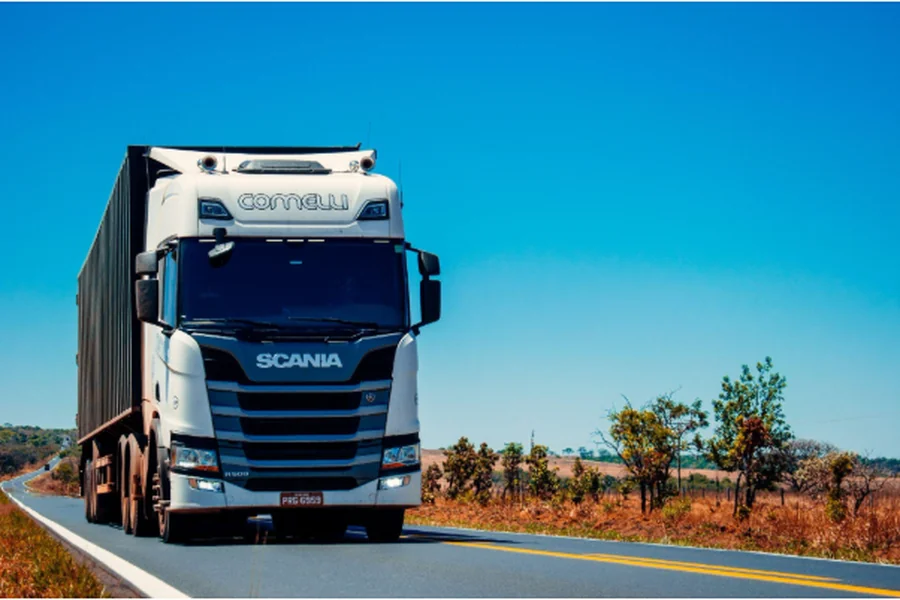
Tight deadlines, shifting state laws, and unpredictable fuel prices: that’s the life of the long-haul trucking operator. People in Washington, D.C., state capitals, and major corporations make decisions that significantly affect freight haulage drivers. It might seem unfair to truckers, as some of these new developments are enforced so quickly with little time to adjust.
Truck drivers traveling across the country never know when the next major change will happen. The uncertainty and fear of violating state and federal regulations are a major concern for many.
Since ignorance is never an excuse for violating these laws, trucking industry experts must always be informed. Also, these changes directly influence daily routes and personal income. Let’s explore why keeping up with over-the-road (OTR) news matters for drivers in many ways beyond simply maintaining legal compliance.
Getting Timely Information on Federal Regulations and Legal Standing

The Federal Motor Carrier Safety Administration (FMCSA) regulates commercial trucking, alongside state-level transport departments. If you’re in the trucking business and need to verify the latest developments, levies, or conditions for your role, you want to pay attention to them. These agencies regularly modify rules concerning Hours of Service (HOS), Electronic Logging Devices (ELDs), medical certifications, and commercial driver’s licenses (CDLs).
When regulatory shifts occur without a driver’s knowledge, it may result in immediate legal complications such as these:
1.Out-of-Service Orders: Operating with an unapproved ELD device or failing to log breaks according to updated exemptions can result in a mandatory 10-hour OOS period (8 hours for passenger carriers) before the driver can continue the trip using paper logs.
2. Safety Rating Penalties: Inspection violations are recorded under the FMCSA’s Compliance, Safety, Accountability (CSA) program’s Safety Measurement System (SMS). Accumulating points on a carrier or driver record makes these agencies want to keep a close eye on you. It can lead to frequent inspections, higher insurance quotes, and lost dispatch opportunities.
3. License Disqualification: With medical certificates being linked directly to state CDL databases, missing an updated filing date can make them downgrade a commercial license to a standard driver’s license without warning.
You will save yourself from costly surprises at weigh stations when you keep up with the latest OTR driver news. What should be an expensive violation on the road would become easily avoided.
Learning to Manage Costs in a Volatile Market
The profit margin for over-the-road trucking can be quite narrow. Operating costs don’t stay the same as fuel prices, equipment maintenance, and insurance premiums keep changing. A driver who ignores market trends will eventually run into financial difficulty.
To illustrate, fuel is the largest variable expense for any long-haul operator. Since diesel prices vary wildly by state and region, tracking fuel updates allows drivers and dispatchers to strategically make stops where prices are lower.
Similarly, monitoring national freight volumes helps independent owner-operators choose lanes with higher pay rates and fewer empty miles. Demand for goods won’t always be high. When shipping demand drops, knowing which regions still have high load volumes can help you make a profit on a run.
Avoiding Scams and Protecting Freight

Criminals are getting more cunning by the day, devising new scams each time to trick trucking operators.
For example, cargo theft and freight fraud have become serious problems across the logistics industry. Organized theft rings use fake documents, stolen carrier identities, and double-brokering schemes to steal valuable shipments from loading docks.
Fortunately, drivers can be the first line of defense against these crimes. Industry news outlets regularly publish alerts detailing new scam methods, fake brokerage names, and specific regions where cargo theft is on the rise. By tracking these reports, drivers learn what red flags to look for before picking up a load.
It is nearly impossible to focus on hauling goods safely while researching updated scamming methods. That’s why trucker news is vital to a trucker’s success, safety, and improved intelligence. Checking news updates helps protect the freight, the rig, and the driver’s paycheck.
Understanding Navigation, Weather, and Highway Conditions
A standard GPS app is limited. Although it tells a driver where a road goes, it does not report whether a truck can legally or safely drive on it.
OTR drivers face daily hazards from severe weather, sudden road closures, construction zones, and strict weight restrictions. Understanding navigation, weather, and highway conditions as they unfold makes life much easier.
Unforeseen weather conditions like a snowstorm over a mountain pass or a closed bridge can ruin an entire route. It is one of the common reasons why truck drivers spend ridiculous hours on the road.
Industry updates provide warnings about high winds, seasonal road closures, and construction delays. Furthermore, news outlets frequently cover the ongoing truck parking shortage, helping drivers identify areas where safe parking is hard to find before their legal driving hours expire.
Identifying New Technology and Industry Shifts
Modern technology and Artificial Intelligence are fast becoming the pillar of many industries, and trucking is one of them. The change is rapid as autonomous driver-assist systems, electric trucks, automated braking mandates, and updated engine emissions standards are gradually being rolled out across the country.
These shifts affect truck manufacturing, inspection, and navigation. Following industry reporting helps drivers prepare new equipment requirements, changing maintenance rules, and evolving hiring standards. Those who understand these developments early will stay competitive and knowledgeable as the industry evolves.
Conclusion
Over-the-road driving is a huge responsibility and requires much more than sitting behind the wheel down the highway. It is a profession that relies heavily on timely information and constant awareness of federal laws, market forces, route hazards, and industry trends.
OTR updates mean drivers don’t have to divide their attention in seeking information from various sources. When drivers make time to read industry news, they protect their licenses, lower their fuel costs, avoid freight scams, and stay safe on the open road.
Staying informed is one of the smartest investments an OTR driver can make in their career.