Why You Should Combine Gasket Care with Lubrication and Sealing Strategies
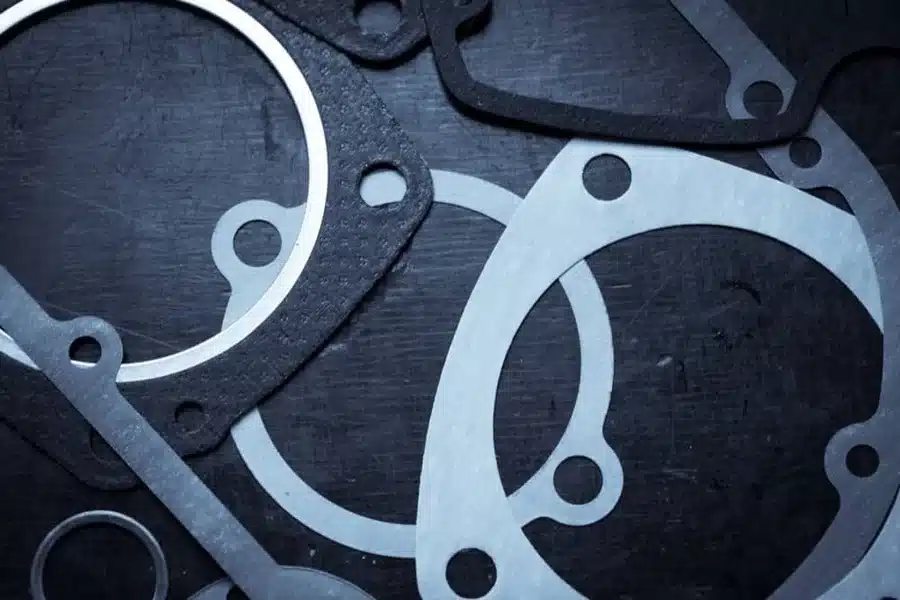
The maintenance of the equipment is important in maintaining efficiency, safety, and durability in the industrial work. Maintenance of gaskets is another issue that is often neglected but they are very important in the maintenance of gaskets as they are used to seal equipment and avoid leakages. Lack of proper care of gaskets may cause the deterioration of equipment performance that results in expensive downtime and the threat of damage. Integrating the maintenance and care of gaskets to a larger strategy of lubrication and sealing can be a comprehensive approach to maintenance that not only protects equipment but also cost-effectiveness.
The initial defense against fluid, gas, or high temperature system leakages is gasket. Lubrication helps in smooth operation of any moving part and sealing plans helps in the prevention of environmental and operating pressures. These points are what should be tackled simultaneously such that the maintenance teams can avoid the small problems turning into a big failure. Through the adoption of a comprehensive method, facilities will be able to have a longer time of equipment service life and also have a lower rate of emergency repairs.
The Gasket Care in Maintenance
Maintenance of gaskets consists of frequent inspection, cleaning, and replacement of damaged ones. Gaskets may also wear out with time because of the heat, pressure, and exposure to chemicals, which undermines their performance. Fiberglass insulation and other materials with a high temperature are also capable of straining gaskets when not handled adequately hence regular inspection is fundamental. Gasket care is necessary to make sure that seals are not broken and that leakage does not occur which may interfere with system functionality or cause accidents.
The right choice of the material to be used in a specific application is also a proactive stance of taking care of gaskets. There are gaskets that are needed to resist chemicals and those that need to satisfy high pressure or temperature. Combining the gasket-care with the understanding of the requirements of the working system, the maintenance staff will be able to prevent the cases of the unexpected failures and decrease the instances of emergency interventions. Denying the gasket inspections to the routine operations will provide a guarantee that minor wear will not progress into a serious equipment problem.
Incorporation of Lubrication Practices
Lubrication plays a very important role in minimizing friction and wear in moving parts which indirectly influences gaskets and seals. A smooth running machine results in reduced vibration and changes in pressure that may erode the gasket integrity. The right kind and quantity of lubricant used in each system makes it easy to maintain the stability of operations and increases the life of gaskets as well as other parts.
Regular lubrication times will also give one time to check the adjoining gaskets regarding leakage or wear and tear. Lubrication inspectors/technicians will be in a position to ensure that they inspect signs of gasket failure early on, including discoloration, hardening, or deformation. Such an approach combines both lubrication and gasket maintenance and makes each of them help the other to keep the equipment reliable.
Adopting Sealing Strategies
The gaskets are not the only part of the strategy to cover when it comes to sealing. Correct sealing involves having flanges, joints, and surfaces aligned and clean with little gaps which may allow leakage. In high temperature applications, ceramic fiber insulation or other resistant to heat materials can be applied, so even more expensive sealing is essential. Proper sealing protocols are the complements of gasket maintenance by targeting the whole system that depends on the integrity of the gasket.
Monitoring physical sealing of goods, pressure conditions, and chemical exposure is important besides physical sealing methods. When these strategies are used together with gasket checks, the facilities are able to foresee the possible problems, as well as intervene before any problems arise. An integrated sealing program and a combination of gasket and lubrication routines improves the reliability of equipment in general and helps in safer working conditions.
Advantages of a Comprehensive Strategy
The integration of gasket care, lubrication and sealing strategies is a maintenance program that is greater than the totals of its components. This will minimize the possibility of equipment failure, increase the service life and enhance operational efficiency. The teams have reduced emergency repairs, reduced long term maintenance and the equipment works to its designed capabilities.
Combining these practices also helps in achieving safety and environmental ambitions. Well-kept gaskets eliminate spillages of dangerous substances and good lubrication minimizes the spillage and energy wastage. All-inclusive sealing approaches are used to guarantee that the high-temperature insulation, such as fiberglass insulation and ceramic fiber insulation Boredflix, has a good functioning without interfering with gasket performance. In general, a coherent maintenance strategy enhances reliability, safety and cost-effectiveness throughout the industrial processes.