
48e and the Shift to Tech-Neutral Credits: What Changed for Clean Energy Projects Placed in Service After 2024
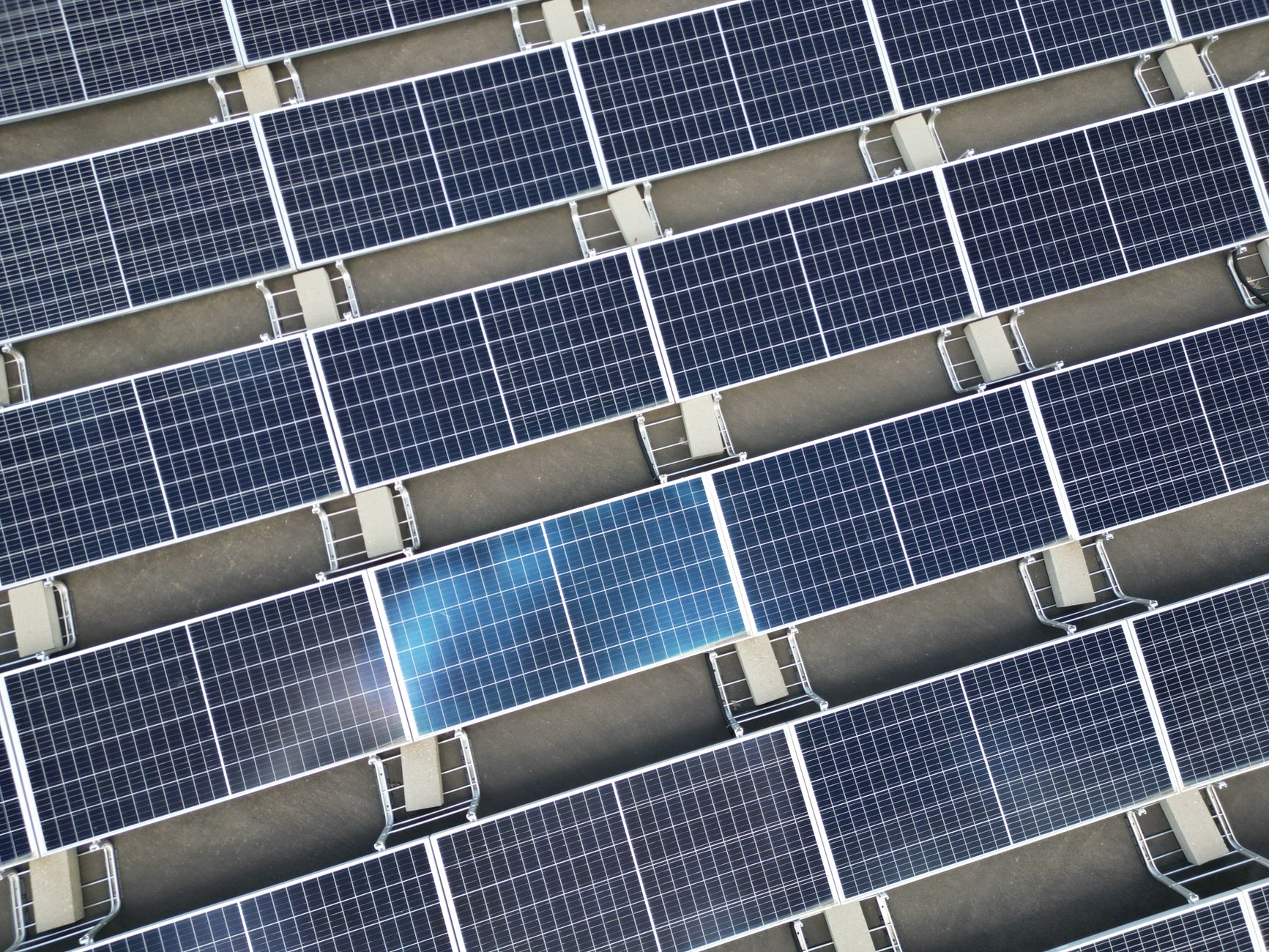
The clean energy tax credit landscape split in two on January 1, 2025. Projects that began construction before that date still fall under the legacy Section 48 rules, which are technology-specific, with credit rates tied to enumerated property types like solar, geothermal, and fuel cells. Projects placed in service after 2024, though, entered a fundamentally different framework. 48e doesn't care what technology you're using. It cares whether your facility generates electricity with a greenhouse gas emissions rate of zero or less. That's not a subtle policy tweak. It rewrote the eligibility logic from the ground up.
What Tech-Neutral Actually Means in Practice
Under the old Section 48 investment tax credit, Congress picked winners. Solar qualified. Wind qualified. Fuel cells, geothermal, certain combined heat and power systems each had its own statutory definition, its own rules, its own placed-in-service deadlines. If your technology wasn't on the list, you were out.
48e flipped that approach. The IRS finalized regulations in January 2025 establishing that any electricity-generating facility with a net GHG emissions rate of not greater than zero qualifies regardless of the underlying technology. The IRS published an Annual Table of GHG emission rates identifying categories such as solar, wind, nuclear, geothermal, hydropower, and marine and hydrokinetic facilities as having a GHG emissions rate not greater than zero. But the door is open wider than that list suggests. A novel technology nobody's built yet could qualify, provided it meets the emissions threshold. That's the whole point of going tech-neutral.
The Credit Mechanics Didn't Change as Much as the Eligibility Logic
Here's where people sometimes overcomplicate this. The basic math under 48e is familiar to anyone who worked with Section 48. The credit is still calculated as a percentage of the qualified investment in eligible energy property. Projects meeting prevailing wage and apprenticeship requirements still get the 30% rate. Miss those requirements, and the base rate drops to 6% same penalty structure as the legacy credit. Bonus adders for domestic content and energy community siting still apply, and they can push the effective credit rate well above 30%.
The transferability rules under Section 6418 carry over too. A 48e credit can be sold to an unrelated third-party buyer for cash, just like a Section 48 credit could. The IRS pre-filing registration process, the transfer election mechanics, the recapture provisions all of that transferred into the new framework largely intact.
What did change is the scope of what's eligible for those mechanics. Energy storage technology got an expanded definition under the final 48e regulations. And qualified interconnection costs for smaller projects (five megawatts or less) are includable in the basis consistent with the treatment the IRS finalized for Section 48 in December 2024.
Then the One Big Beautiful Bill Rewrote the Timeline
You can't talk about 48e in 2026 without talking about what happened on July 4, 2025. The One Big Beautiful Bill Act preserved the tech-neutral structure but compressed the runway for solar and wind specifically. Under the OBBB, wind and solar facilities must be placed in service by December 31, 2027, to claim the 48e credit unless construction began within 12 months of the law's enactment (by July 4, 2026). That's a dramatically tighter window than the original IRA, which contemplated credits extending through 2032 with a gradual phaseout through 2036.
For non-solar, non-wind technologies, the 48E credit generally remains available through 2032, followed by a phasedown beginning in 2033.
The OBBB also introduced tighter prohibited foreign entity restrictions and barred specified foreign entities from receiving transferred credits though the core transferability mechanism remains in place for domestic buyers.
What This Means for Credit Buyers and Sellers Right Now
If you're buying or selling 48e credits today, the practical reality is that the timeline pressures vary wildly by technology. Solar and wind developers who started construction before July 2026 are racing to get projects placed in service by end of 2027. Developers working with nuclear, geothermal, or standalone storage have a longer but still finite runway through 2032.
For credit buyers, the diligence calculus hasn't fundamentally changed you're still verifying basis, PWA compliance, emissions eligibility, and FEOC status. But 48e added one new layer: confirming that the facility actually meets the zero-emissions threshold. Under the legacy credit, technology type was the gatekeeper. Under 48e, emissions performance is.
Conclusion
The shift to 48e was always going to be the most significant structural change in clean energy tax policy since transferability. Going tech-neutral opened the credit to any zero-emission facility, regardless of the underlying hardware. The OBBB then layered on timeline constraints that narrowed the practical window for solar and wind while keeping the door open longer for emerging technologies. Whether you're developing, financing, or buying credits, the 48e framework is the new baseline and understanding where it matches Section 48 and where it diverges is no longer optional.