YouTube video translator: Make Creator Interviews Clear
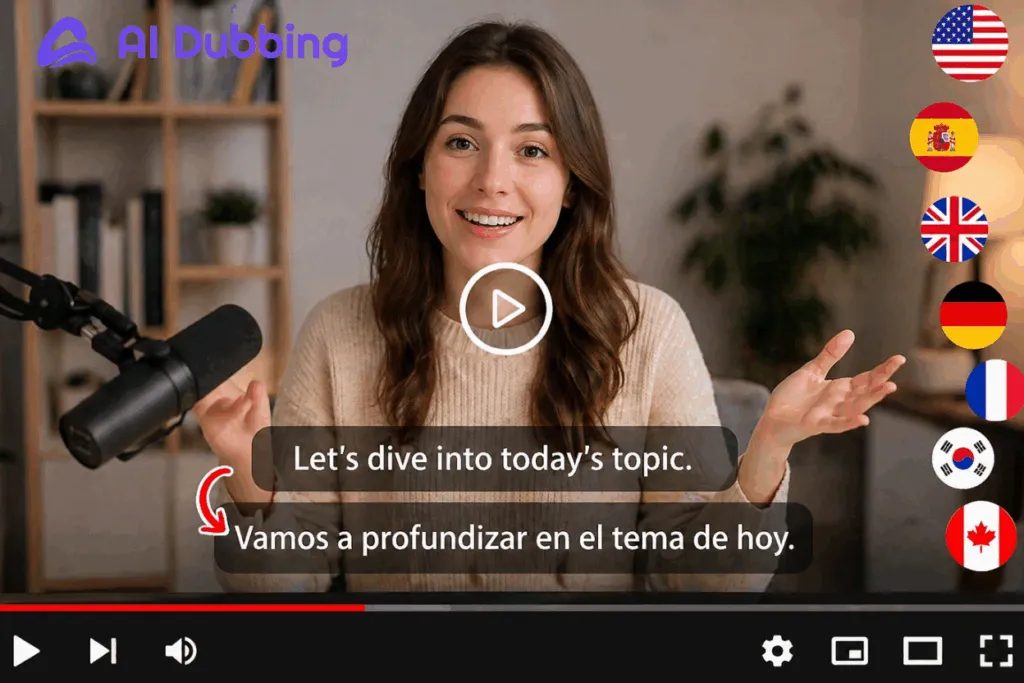
You want to understand how a creator began a project, but their most useful interview is in a language you do not speak. A translated version can help you follow the conversation. The challenge is preserving the answer's meaning, including details that a short profile or clipped quotation may leave out.
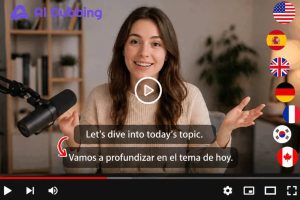
A YouTube video translator can help translate spoken content from a video link. Whether you are researching a profile or preparing an authorized adaptation, keep the original video and relevant timestamps. They let you check what the person actually said when the translated wording raises questions.
Find the complete answer before translating it
Start with the original interview or an authorized upload where possible. Record the channel, title, and publication date. Watch the question and the full answer rather than beginning with an isolated quote from a repost.
The question can change the meaning of the response. "It was difficult at first" might refer to one production, a career transition, or a particular scene. A translated sentence alone may not reveal which interpretation is correct.
Separate understanding from republication
Decide what you need from the interview. If you are researching a profile, focus on understanding and verifying the information you plan to use. If you want to publish a translated video, obtain the necessary permission for that adaptation. A publicly visible interview does not establish permission to upload a translated copy elsewhere.
Translate and keep a source record
Use the interview link to generate the intended language version, then review it alongside the original. For each statement you may cite, save the timestamp and surrounding context. Keep the source record separate from your own summary.
Ask a fluent reviewer to check passages important to the profile. Focus on project names, dates, descriptions of roles, and qualifications such as "I think" or "around that time." These words may affect how confidently an editor can present a claim.
If a translation remains uncertain, seek clarification or leave the statement out. Smooth delivery should not become a substitute for confidence in the meaning.
Check biography details beyond the translated interview
Translation helps interpret a source; it does not independently verify its claims. Compare important career details with an appropriate primary source, such as official production credits or a project announcement.
An interviewee may describe contributing to a project without claiming to have created the entire work. Preserve the distinction between writing, performing, producing, and assisting. Avoid turning a description of collaboration into sole credit.
A profile example: preserve an approximate career date
Imagine a creator says they started writing short sketches "around 2018" before joining a later production. A profile writer should not automatically turn that into "made their professional debut in 2018." The latter adds precision and a professional milestone that the source may not establish.
Keep the approximate wording and identify what activity the person described. Check the chronology against official records if an exact debut date matters. If no reliable source settles it, describe the verified sequence without inventing a date.
Then read the draft profile beside the translated passage. Could a reader infer that the creator made a stronger claim than they actually did? If so, revise the profile. This comparison catches problems that may appear only when an interview becomes a written biography.
Add narration without blurring who said what
For an authorized video adaptation, you may need a separately recorded introduction or summary. An AI voice changer can help compare vocal styles for that narration using audio you have permission to process.
Identify the introduction as editorial narration and keep it distinct from the interviewee's speech. For example, "In this interview, the creator explains how the series began" tells viewers what they are about to hear without presenting the summary as a direct quote.
Changing a voice does not verify a statement or establish endorsement by a public figure. Explain translated or synthetic narration where viewers could otherwise mistake it for an original recording.
Review the final account for attribution
For a written profile, verify that quotations, paraphrases, and independently checked facts are distinguishable. For a video adaptation, check speaker labels, captions, and edits. A cut should not make separate answers sound like one continuous statement.
Before sharing, confirm:
- The source and timestamps are recorded.
- The question and full answer support the interpretation.
- Names, roles, and dates have been checked.
- Approximate or tentative language remains intact.
- Added narration is identifiable.
- Publication permissions cover the planned use.
A useful translation helps readers understand a creator's work while preserving the boundaries of the source. Keep those boundaries visible as you turn the conversation into a profile or an adapted video.