Building for the Exit: How to Package and Sell Your Vending Route as a Turnkey Asset
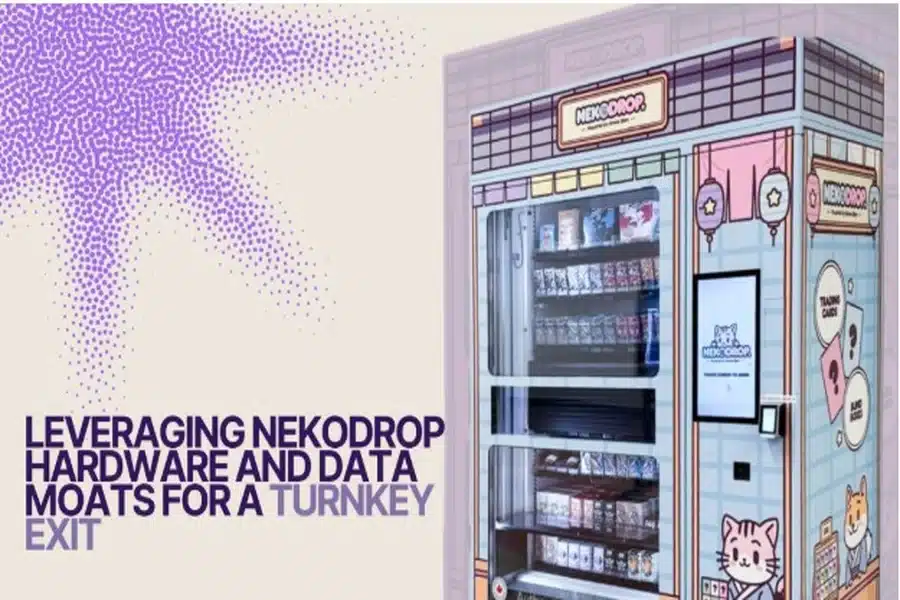
In the high-stakes world of micro-retail, the transition from operator to exit strategist is where true wealth is crystallized. Many entrepreneurs enter the automated retail space with a focus on daily cash flow, but the most sophisticated players are looking at the terminal value of their operation from day one. In 2026, the market for “alternative real estate” and automated business units has matured, with private equity groups and individual investors seeking high yield, low touch assets that can be integrated into larger portfolios. For those looking to build a scalable enterprise, investing in a fleet of NekoDrop vending machines is a positive way to ensure your business is built on a foundation of premium hardware and desirable consumer trends. The sleek design and high margin product mix of NekoDrop vending machines make them an attractive prospect for buyers who are less interested in the mechanics of vending and more interested in acquiring a high performance, data driven revenue stream.
Selling a vending route as a business entity, rather than just a collection of machines, requires a shift in mindset. You are not selling equipment; you are selling a “contractual ecosystem” and a proven track record of profitability. To maximize the multiple on your exit, you must treat your fleet as a professional M&A asset.
The Foundation of the Exit: Clean P&L Records
The first hurdle in any acquisition is the due diligence process. For a vending route, this is where many “mom and pop” operations fail. If your financial records are a mess of mixed personal expenses and cash receipts that aren’t properly reconciled, a serious buyer will walk away or significantly devalue the business.
In 2026, transparency is the primary currency. To build for a successful exit, every transaction must be digital and trackable. Utilizing the cloud based back end systems inherent in premium automated retail units allows you to generate real time Profit and Loss (P&L) statements that are audit ready. Buyers look for “SDE” (Seller’s Discretionary Earnings), which is the total financial benefit provided to an owner operator. By keeping clean, separate records for your fleet, you can clearly demonstrate the healthy margins that come from selling high end collectibles versus low margin snacks. A clean record shows the buyer exactly how much they can expect to pocket on day one without having to guess at the “shrinkage” or cash leakage that plagues traditional vending.
Securing the “Moat” with Long Term Location Contracts
The value of a vending business is not in the machines themselves; it is in the “right to occupy” the space where the machines sit. In the M&A world, a route without contracts is just a pile of used equipment. To maximize your exit multiple, you must secure your locations with robust, long term legal agreements.
A “Location Agreement” in 2026 should ideally have a minimum term of three to five years with an automatic renewal clause. More importantly, these contracts should be “assignable.” This means that when you sell the business, the right to keep those machines in those high traffic malls, airports, or transit hubs passes seamlessly to the buyer. If a buyer sees that you have secured the best corners of a major metropolitan area with five year exclusivity clauses, they are no longer just buying a route; they are buying a local monopoly. This “moat” protects the buyer’s future cash flow and justifies a much higher purchase price.
Creating a Brand for Your Route
One of the most overlooked aspects of building a sellable vending entity is branding. While the machines carry the manufacturer’s branding, your “route” should have its own corporate identity. This is the difference between selling “Steve’s Vending” and selling “Urban Collectible Networks LLC.”
Creating a brand for your route implies a level of operational SOPs (Standard Operating Procedures) that a buyer can easily step into. It suggests that you have a specific “vibe” and a curated product selection strategy that works. A branded route looks like a professional enterprise that can be scaled, whereas an unbranded collection of machines looks like a hobby. When you present your business to an M&A advisor, having a professional pitch deck that outlines your brand’s mission, its demographic reach, and its “unique selling proposition” in the collectible space will set you apart from every other small scale operator.
The Power of SOPs: Making the Business Turnkey
A buyer is often looking for a “passive” income stream. If the business requires your specific, idiosyncratic knowledge to function, it is not a turnkey asset; it is a job. To build for the exit, you must document every aspect of the operation.
This includes:
- The Stocking Schedule: Exactly when and how the machines are refilled.
- The Sourcing Pipeline: Who are the distributors for the Japanese imports and limited edition blind boxes?
- The Maintenance Protocol: How often are the touchscreens cleaned and the software updated?
- The AI Management: How do you use the predictive analytics to choose the next “drop”?
When you can hand a buyer a “Playbook” that explains exactly how to run the business in under ten hours a week, you have removed the “execution risk.” This makes the business much more attractive to “absentee owners” or investment groups who want to deploy capital without having to learn the nuances of the toy market from scratch.
Maximizing the Multiple: Growth Potential vs. Stability
In business valuation, the “multiple” is the number that your annual profit is multiplied by to determine the sale price. A stable but stagnant business might sell for a 2x or 3x multiple. A business that demonstrates a clear “path to growth” can command a 4x, 5x, or even higher multiple.
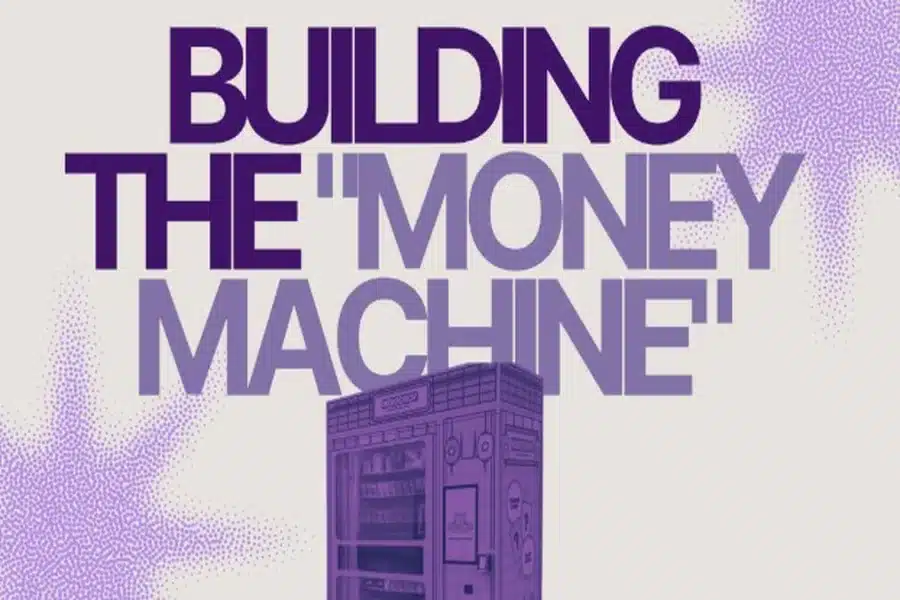
To maximize this, you should show a “proven expansion model.” For example, if you have ten machines in one city that are performing at peak capacity, show the buyer the research you have done for the next twenty locations in a neighboring city. Prove that the “unit economics” are repeatable. If you can show that every time you drop a new unit it pays for itself within a specific timeframe, you are selling a “money machine” rather than a stagnant asset. In 2026, buyers are looking for “Scalable V-Commerce,” and providing a roadmap for that growth is the fastest way to increase your exit price.
Diversification of Risk
A savvy M&A advisor will look for “concentration risk.” If 80% of your revenue comes from one single machine in a lucky location, your business is fragile. If that location closes or changes management, your business is effectively dead.
To package your route as a high level asset, you must demonstrate a diversified footprint. Your revenue should be spread across multiple venues—perhaps a mix of shopping malls, a major transit hub, and a high end cinema complex. This diversification proves to the buyer that the business is resilient. Even if one location underperforms during a renovation, the rest of the fleet carries the weight. This stability is highly prized by conservative investors who are looking for a “safe” place to park their capital while still earning double digit returns.
The Role of Technology in Valuation
By 2026, the technological “stack” of your business is a major component of its valuation. Buyers want to see that they are acquiring a modern, future proof operation. This means having units that are fully integrated with the latest cashless payment systems, including crypto wallets and biometric payments.
More importantly, it means having a “data moat.” If you have two years of data showing exactly which anime characters sell best in which zip codes, that data has intrinsic value. It is proprietary market intelligence that a competitor doesn’t have. When you sell the business, you aren’t just selling the metal and glass; you are selling the data that tells the owner exactly what to buy to guarantee a profit. Highlighting this “Intelligent Vending” aspect moves your business out of the category of “equipment” and into the category of “Tech-Enabled Services,” which traditionally command much higher multiples.
Preparing for the Handover
A successful exit also depends on the “smoothness” of the transition. You should prepare for a 30 to 90 day “transition period” where you consult for the new owner. During this time, you introduce them to your location contacts and your suppliers.
The goal is to make the change of ownership invisible to the end consumer. If the machines stay stocked and the revenue stays consistent throughout the transition, the buyer feels confident in their purchase. This often involves setting up “vendor accounts” that can be easily transferred and ensuring that all software licenses are in the company name rather than your personal name. The less “friction” there is in the handover, the more likely you are to close the deal at your target price.
Conclusion: The Strategic Exit
Building a fleet of automated retail units is one of the most efficient ways to create a high value business in 2026. However, the true “win” is not in the daily sales; it is in the eventual sale of the entire entity. By focusing on clean records, long term contracts, professional branding, and documented SOPs, you transform a collection of machines into a professional, turnkey asset.
Investors are increasingly hungry for businesses that offer “automated yield.” In a world of volatile stock markets and low interest rates, a well run, branded route of high end collectible machines is a crown jewel asset. If you build your business with the “exit” in mind from the very first machine you place, you ensure that when the time comes to sell, you aren’t just looking for a buyer—you are fielding offers from the highest level of the M&A market. The future of vending is not just about the product in the box; it is about the professionalized business structure that surrounds it.