From Game Mods to Professional Software: How Hobby Projects Turn Curiosity Into Real Engineering Skill
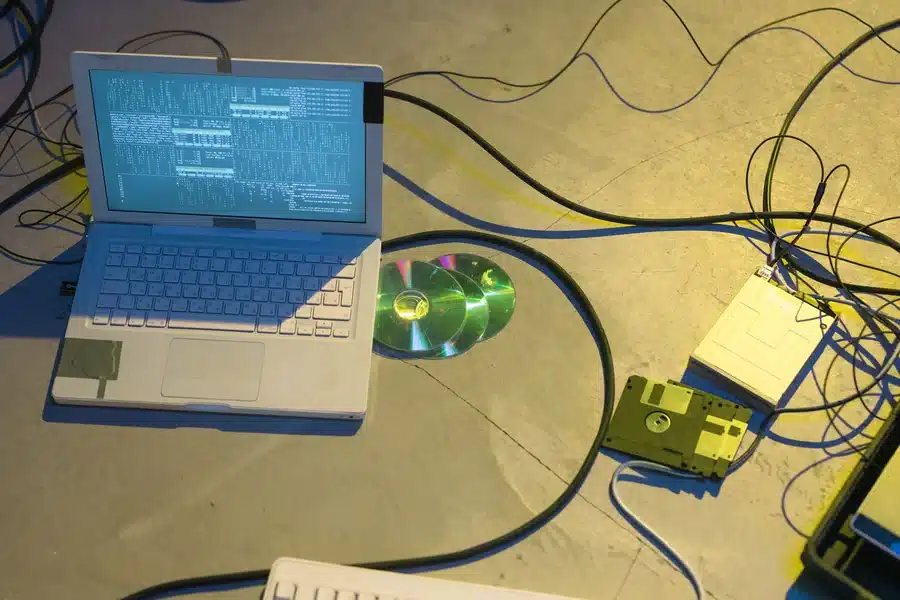
Long before some developers had a tidy résumé and a LinkedIn profile full of big project names, they had a much stranger classroom: an old family computer, a game that refused to run, a forum post from 2004, and the dangerous confidence to click “try again” until something changed. That path shaped software developers Eastern Europe, because the region’s engineering culture has long mixed strong math education with a hands-on habit of opening things up to see what makes them tick.
Back in the 2000s, plenty of young computer fans did not learn from a clean beginner course. They learned because something would not work — a mod that would not load, a fan server that crashed after school, or a cracked tool passed around on a disk because the real one cost more than a family could spend. The legal side of that world was messy, and piracy should not be painted as a virtue. However, the technical lesson was real: software had layers, rules, locks, bugs, and hidden doors, and each broken piece invited a curious mind to ask why.
What Taking Systems Apart Teaches
The phrase “taking systems apart” can sound shady, especially when it touches cracked tools or pirated software from the early 2000s. However, it’s not about stealing, rather about learning that software has structure. It has rules, links, limits, and pressure points. Modern security and product teams still study reverse engineering, because once someone understands that, a broken tool or a crashing game becomes less of a dead end and more of a puzzle.
The best hobby projects leave behind habits that are surprisingly professional:
- Look past the obvious problem. A crash after a new mod may look random, but the real cause could be one bad file name or a missing setting.
- Test in small steps. Big messy changes make big messy confusion. Small changes make the truth easier to find.
- Read the boring messages. Error logs, warnings, and setup notes become treasure maps once a person learns what they point to.
- Share fixes clearly. A fix that only one person understands is fragile. A fix explained well can help a whole server stay alive.
Thus, the hobby becomes a training ground for patience. It also builds taste. A developer who has broken a game with a bad patch understands why clean releases, backups, and testing matter.
From Fan Fixes to Professional Discipline
A hobby project starts because someone cares enough to be annoyed: the game will not run; the map is broken; or the tool keeps falling over. So the person opens folders, reads messages, changes settings, and tries again. Professional software has a wider purpose, but the brainwork is close to the same — understand how it works, find the weak point, and then fix, test, and write a clear explanation.
That is why software development in Eastern Europe has a strong link to this kind of practical learning. In many cities, people learned through a mix of formal study and rough-and-ready tech culture: computer clubs, LAN parties, repair counters, university labs, and forums full of half-working fixes. There was theory, yes, but there was also plenty of trial, error, and “try this, it worked for me.”
That same mindset travels well into business projects. A person who once tuned a fan server to stop lag may later tune a payment app, a reporting system, or a mobile product. The job becomes more serious, of course. Security, legal rules, documentation, and users all matter much more. But deep down, the process still feels familiar: follow the clues, test the theory, fix the weak spot.
Why Eastern Europe Became a Strong Engineering Region
The story is not only about nostalgia. The region built real depth through universities, math schools, outsourcing experience, product startups, and global delivery work. The old habit of tinkering met serious client demand, and that mix shaped a generation of engineers who could move between low-level problem solving and business needs.
Many software development companies in Eastern Europe grew from this blend of formal training and practical grit. N-iX is one example of a provider that built teams for finance, telecom, retail, manufacturing, and other industries. The appeal comes from people who learned to reason through messy systems and then added process, communication, and domain knowledge on top.
This also explains why buyers value software developers from Eastern Europe for more than code volume. The stronger ones ask sharp questions. They notice missing details. They can discuss tradeoffs without turning every meeting into a lecture. That mix feels familiar to anyone who has watched a hobbyist become the person everyone calls when the server breaks five minutes before a match.
The New Hobby Stack
Today, beginners usually enter through different doors. They are not swapping old disks or digging through mystery folders as much as building Discord bots, simple web apps, online programming learning courses, game plugins, automation scripts, and small AI-powered tools. The tools are better, but the emotional spark is still to find something broken, slow, missing, or boring, and be curious enough to want to change it.
Gaming still plays a big role. A huge PC gaming audience means millions of people meet software first as players, then as tweakers, server admins, map makers, or tool builders. A game is a friendly front door to hard ideas because it gives instant feedback. Break the file, and the screen tells the truth. Fix it, and the reward is visible.
The modern version also has clearer ethics. There is no need to rely on pirated software when free editors, open-source engines, student plans, and cloud trials are easy to find. Curiosity can still take things apart through legal tools, public code, test apps, and safe labs. That shift keeps the learning spirit while leaving the old gray zone behind.
Conclusion
Hobby projects turn curiosity into engineering skill because they make learning personal. A mod, fan server, or small tool gives a beginner a real reason to debug, test, explain, and improve. The early 2000s scene had legal problems that should stay in the past, but its deeper lesson remains useful: builders learn by touching real systems.
Ultimately, serious software grows from the same habit. Look closely, ask why, fix carefully, and share the result. That is how playful experiments become professional skill, and why the old modding mindset still has a place in modern engineering.