EV Charging Station Management Software and Marketing Strategies for Multifamily Properties
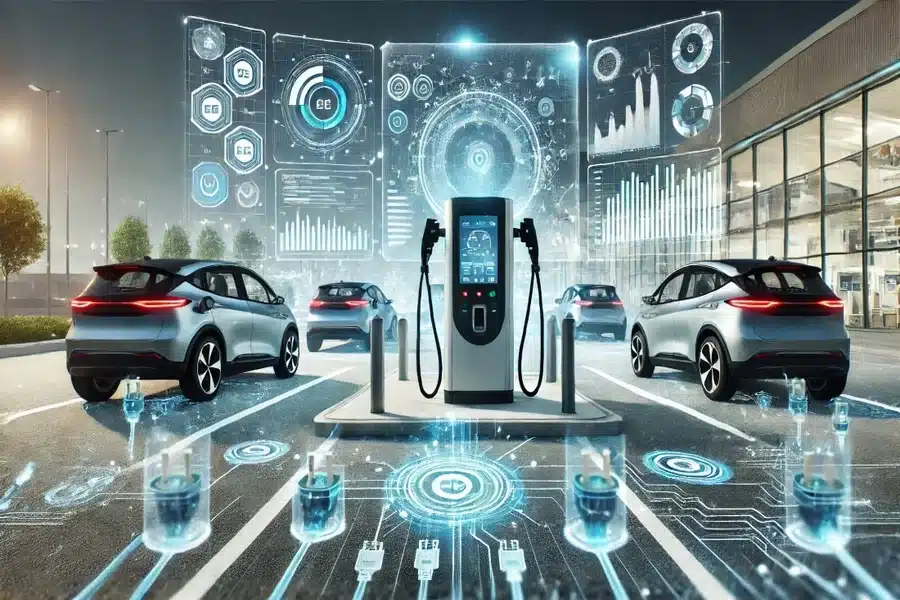
Why Smart EV Charging Management Matters
Electric vehicle adoption is growing quickly, and multifamily properties are under increasing pressure to provide reliable and efficient charging access. However, installing chargers alone is no longer enough. Property owners must also manage usage, billing, access control, and maintenance in a way that feels seamless for residents. This is where ev charging station management software becomes essential. It transforms basic charging infrastructure into a fully trackable, optimized, and user-friendly system that supports both residents and property managers.
Modern renters expect convenience and transparency. They want to know charger availability, costs, and usage in real time, often through mobile apps. Without management software, properties risk creating frustration through long wait times, unclear billing, or underutilized stations. Smart software eliminates these problems by balancing load, scheduling usage, and ensuring fair access for all residents.
At the same time, marketing these capabilities is just as important as installing them. Many properties invest heavily in EV infrastructure but fail to communicate the value effectively. This is where digital strategy and SEO expertise come into play, including support from agencies like Camel Digital, which help multifamily communities position EV charging as a premium lifestyle feature rather than just a utility service.
What EV Charging Station Management Software Does
At its core, ev charging station management software is designed to control and optimize how charging stations operate within multifamily communities. It acts as a central system that connects chargers, users, and property management teams into one unified platform.
These systems typically include features such as real-time availability tracking, automated billing, user authentication, energy load balancing, and remote monitoring. For property managers, this means less manual oversight and fewer operational headaches. For residents, it means a smoother, more predictable charging experience that fits easily into daily routines.
One of the most important benefits is usage optimization. Without software, some chargers may remain overused while others sit idle. Smart systems distribute demand more evenly, ensuring that infrastructure is used efficiently. This not only improves resident satisfaction but also extends the lifespan of charging equipment.
Another key advantage is transparency. Residents can see exactly when chargers are available, how long they are expected to remain in use, and what the cost will be before they begin charging. This level of clarity reduces frustration and increases trust in property management.
Why Multifamily Properties Need Smart Charging Systems
Multifamily housing presents unique challenges that single-family homes do not face. Multiple residents share limited parking and charging infrastructure, which creates potential conflicts if systems are not managed properly. This is why ev charging station management software is becoming a standard requirement rather than an optional upgrade.
Without proper management, properties may experience bottlenecks during peak hours, uneven charger usage, and resident dissatisfaction. Over time, these issues can negatively impact retention rates and property reputation. On the other hand, well-managed charging systems create a sense of fairness and convenience that enhances the overall living experience.
Another important factor is scalability. As EV adoption increases, demand for charging will grow. Properties that implement smart software early are better prepared to expand infrastructure without disrupting existing systems. This future-proofing aspect is critical for long-term planning in competitive rental markets.
From a financial perspective, these systems also enable better cost control. Property managers can track energy consumption, allocate costs accurately, and even create flexible pricing models if desired. This ensures that EV charging remains sustainable for both residents and owners.
Marketing EV Charging Infrastructure Effectively
While technology plays a major role in EV charging operations, marketing determines whether potential renters actually understand its value. Many multifamily communities fail to highlight their EV capabilities clearly, resulting in missed leasing opportunities.
Renters today often search online for specific amenities such as EV charging before making housing decisions. If a property does not clearly communicate its features, it risks being overlooked entirely. That is why EV charging must be integrated into branding, SEO, and digital advertising strategies.
Marketing should focus on both convenience and lifestyle benefits. Instead of simply stating that chargers exist, properties should emphasize how easy it is for residents to charge overnight, avoid public station delays, and enjoy a modern living experience. Visual storytelling, virtual tours, and resident testimonials can significantly enhance this message.
In competitive markets, many property managers work with tools like Camel Digital to improve search visibility, strengthen local SEO, and ensure that EV charging amenities are properly highlighted to renters actively searching for sustainable housing options.
The Role of Digital Presence in EV Charging Success
A strong digital presence is essential for converting interest into leases. Even the most advanced charging infrastructure loses value if it is not visible online. Property websites should clearly showcase EV charging as a key amenity, supported by high-quality visuals and easy-to-understand descriptions.
Search engine optimization also plays a critical role. Terms like “apartments with EV charging” or “EV-friendly rentals” are increasingly competitive. Properties that rank higher for these searches receive significantly more qualified traffic. This is where strategic content creation and optimization become essential.
Social media platforms further amplify visibility by showcasing lifestyle content. Posts featuring charging convenience, resident experiences, and sustainability initiatives help build emotional engagement with potential renters. When combined with strong SEO and paid advertising, this creates a complete digital funnel that drives leasing performance.
Future of EV Charging in Multifamily Housing
The future of multifamily housing is closely tied to electric mobility. As EV ownership continues to rise, charging access will transition from a premium feature to a standard requirement. Properties that fail to adapt may struggle to remain competitive in the long term.
Technology will also continue evolving. ev charging station management software is expected to become more intelligent, integrating artificial intelligence, predictive load balancing, and renewable energy optimization. These advancements will make charging systems even more efficient and cost-effective.
At the same time, marketing expectations will also increase. Renters will not only expect EV charging but also clear communication about how it works, how accessible it is, and how it improves their daily life. Properties that align technology with strong marketing will lead the next generation of multifamily housing.
Conclusion
EV charging is no longer just an added amenity—it is becoming a core expectation in modern multifamily living. The combination of ev charging station management software and strategic digital marketing determines whether properties can fully capitalize on this growing demand.
Smart charging systems improve operational efficiency, resident satisfaction, and long-term scalability. Meanwhile, strong marketing ensures these benefits are clearly communicated to potential renters. Together, they create a powerful competitive advantage in an increasingly electrified housing market.
When supported by effective digital strategy and visibility efforts from agencies like Camel Digital, multifamily properties can transform EV charging from a simple utility into a defining feature that drives leasing success and long-term growth.