Best Mexican destinations to fly to from the US this year: where to go next
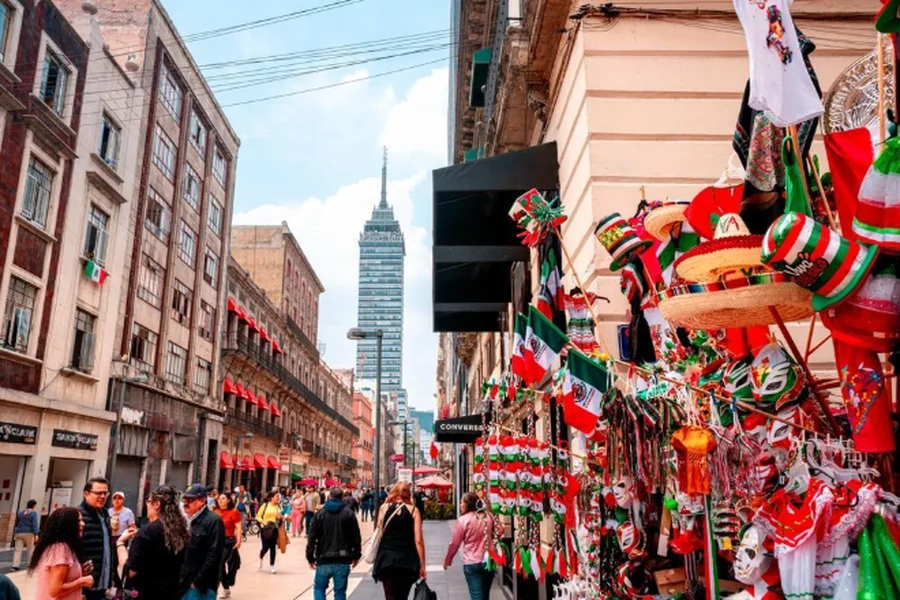
The best Mexican destinations to fly to from the US this year extend well beyond a single type of vacation. Mexico offers Caribbean and Pacific beaches, major cultural capitals, regional food traditions, archaeological sites, and smaller cities that can serve as gateways to less-visited areas.
Planning should begin with the purpose of the trip rather than a list of attractions. When reviewing affordable flights to Mexico, consider the preferred climate, travel pace, transportation needs, and amount of time available. These factors make it easier to choose a destination that matches the experience instead of forcing too many activities into one itinerary.
Why Mexico remains a favorite for US travelers
Mexico’s proximity to the United States makes it suitable for anything from a long weekend to an extended regional journey. Many of its principal airports receive service from US cities, although nonstop availability depends on the point of departure and time of year.
Convenience is only part of the appeal. Mexico’s geography includes tropical coastlines, deserts, mountains, forests, and high-altitude cities. Its cultural variety is equally broad: you may encounter different cuisines, architecture, crafts, music, and Indigenous traditions as they move between regions.
Mexico also accommodates several styles of travel:
- Beach vacations centered on swimming and relaxation.
- Urban trips built around museums, food, and nightlife.
- Family visits combined with local sightseeing.
- Outdoor itineraries involving marine life, hiking, or surfing.
- Cultural journeys connecting cities with archaeological sites and artisan communities.
Beach destinations with distinct personalities
Cancún, Puerto Vallarta, and Los Cabos are established coastal gateways, but they offer notably different landscapes and experiences.
Cancún and the Mexican Caribbean
Cancún suits those looking for Caribbean beaches and access to a well-developed tourism network. Its Hotel Zone places accommodations near the water, while downtown provides neighborhood restaurants, markets, and a less resort-focused setting. The city also works as a base for excursions to Isla Mujeres, cenotes, and archaeological zones.
Puerto Vallarta and Banderas Bay
Puerto Vallarta combines a Pacific coastline with a walkable historic center. The Malecón, the Romantic Zone, and the streets around the Church of Our Lady of Guadalupe provide opportunities to explore beyond the beach.
The destination works well if you want restaurants, nightlife, art galleries, and coastal activities in the same trip. Excursions around Banderas Bay may include snorkeling, seasonal wildlife observation, or visits to smaller communities reached by road or boat.
Puerto Vallarta is also known for its established LGBTQ+ tourism community, particularly around the Romantic Zone. As in any popular destination, you should confirm current schedules and local conditions before planning activities.
Los Cabos and the Baja California Sur landscape
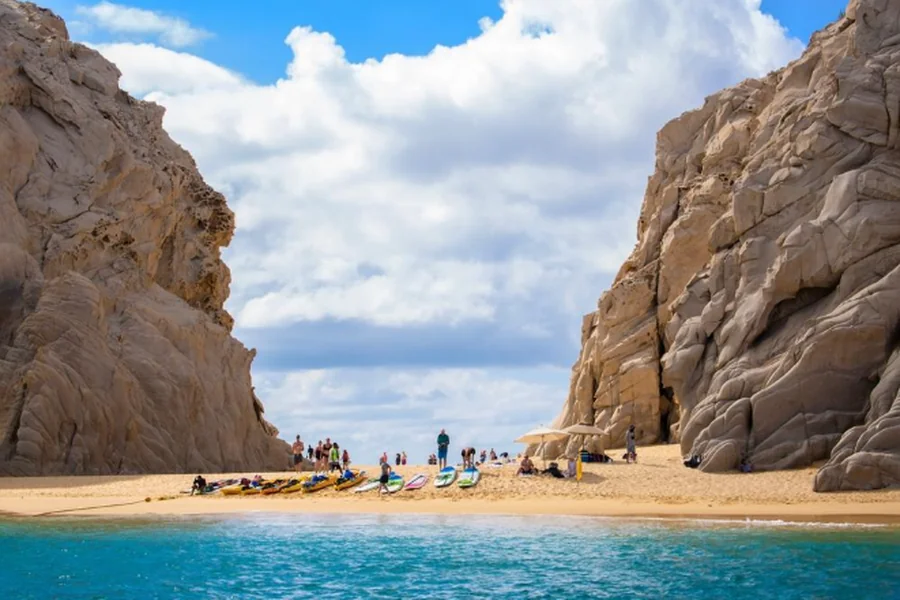
Los Cabos brings together the resort corridor, Cabo San Lucas, and San José del Cabo. Its defining feature is the meeting of desert terrain and the sea, creating a very different environment from Mexico’s tropical coasts. You can choose one as a base or divide their time between the two:
- Cabo San Lucas concentrates many marine excursions and nightlife venues.
- San José del Cabo offers galleries, restaurants, and a more traditional town center.
Cultural cities for food, history, and art
Mexico City, Guadalajara, and Oaxaca reward travelers who prefer museums, architecture, regional cuisine, and neighborhood exploration.
Mexico City
Mexico City is suited to those comfortable with a large, energetic capital. Its historic center, major museums, markets, parks, and distinct neighborhoods can easily fill a week.
A first visit might include:
- The Zócalo and the historic center.
- The National Museum of Anthropology.
- Chapultepec Park and Castle.
- Coyoacán and its cultural spaces.
- A day trip to Teotihuacán.
Because distances are substantial, itineraries should be organized by neighborhood. The city’s elevation can also affect some visitors during the first days, making a slower initial schedule worthwhile.
Guadalajara
Guadalajara offers a strong introduction to the culture of Jalisco. Its historic center contains plazas, churches, murals, theaters, and Hospicio Cabañas, while nearby Tlaquepaque is known for galleries, ceramics, and pedestrian streets.
Regional food is central to the experience. Birria, tortas ahogadas, carne en su jugo, and jericalla provide different points of entry into local culinary traditions. Youcan also dedicate a day to the town of Tequila and the surrounding agave landscape.
Oaxaca
Oaxaca is a compelling choice for travelers interested in food traditions, Indigenous cultures, archaeology, and crafts. The compact historic center can be explored on foot, while surrounding communities specialize in textiles, pottery, woodcarving, and other forms of artisan production.
Monte Albán is the principal archaeological excursion from the city. Markets, mezcal producers, and regional kitchens can also be incorporated into the itinerary, preferably through businesses and guides that explain the cultural context behind each experience.
Emerging destinations worth considering
If you have already visited Mexico’s best-known gateways, you can look toward smaller cities and regional capitals. These Mexico destinations may require more careful route planning, but they provide access to landscapes and experiences that differ from the major resort corridors.
Mérida
Mérida is a practical base for exploring the Yucatán Peninsula. The city offers colonial architecture, museums, markets, and Yucatecan cuisine, while nearby excursions include cenotes, henequen haciendas, and archaeological sites such as Uxmal.
La Paz
La Paz is great if you are drawn to marine environments and a quieter urban setting. Its waterfront, beaches, desert landscapes, and excursions in the Gulf of California make it a useful alternative for nature-focused trips. Wildlife activities are seasonal and should be arranged with authorized operators.
Puerto Escondido
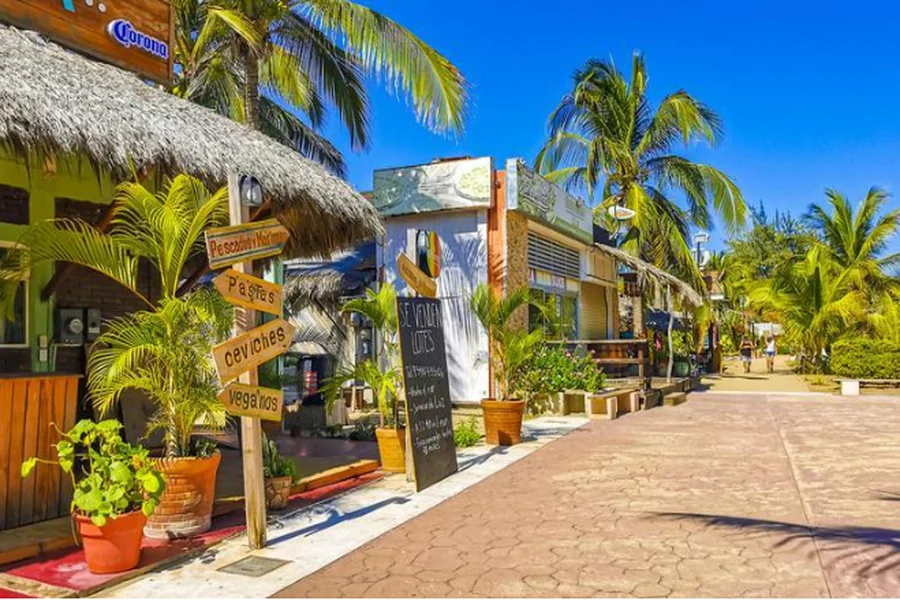
Puerto Escondido combines surfing beaches, smaller coves, seafood, and access to Oaxaca’s Pacific coast. Swimming conditions vary considerably by beach, so you should distinguish between areas suited to surfing and those appropriate for calmer water activities.
Practical advice for choosing where to go
The most suitable destination depends on the kind of trip being planned:
- For a classic beach vacation: consider Cancún for Caribbean scenery, Puerto Vallarta for a city-and-beach combination, or Los Cabos for desert landscapes and marine excursions.
- For museums and urban culture: choose Mexico City.
- For regional music, food, and crafts: consider Guadalajara.
- For cuisine, archaeology, and artisan communities: look at Oaxaca.
- For cenotes and Maya heritage: use Mérida as a base.
- For wildlife and outdoor experiences: compare La Paz and Puerto Escondido according to the season.
You should compare the complete journey rather than airfare alone. Airport transfers, ground transportation, baggage, accommodations, and excursion distances all affect the final itinerary.
Reserving in advance generally provides more options during holidays, school breaks, festivals, and periods of high coastal demand. Early planning is especially useful when the trip requires nonstop service, specific travel dates, family seating, or limited-capacity tours.
One country, many possible journeys
Mexico gives travelers the flexibility to plan around beaches, cuisine, family connections, history, or outdoor exploration without treating the country as a single, uniform experience. Ultimately, the best Mexican destinations to fly to from the US this year are the ones that align with the season, the available time, and the type of journey each traveler wants to create.