How Distracted Driving Leads to Car Accidents in Washington, DC
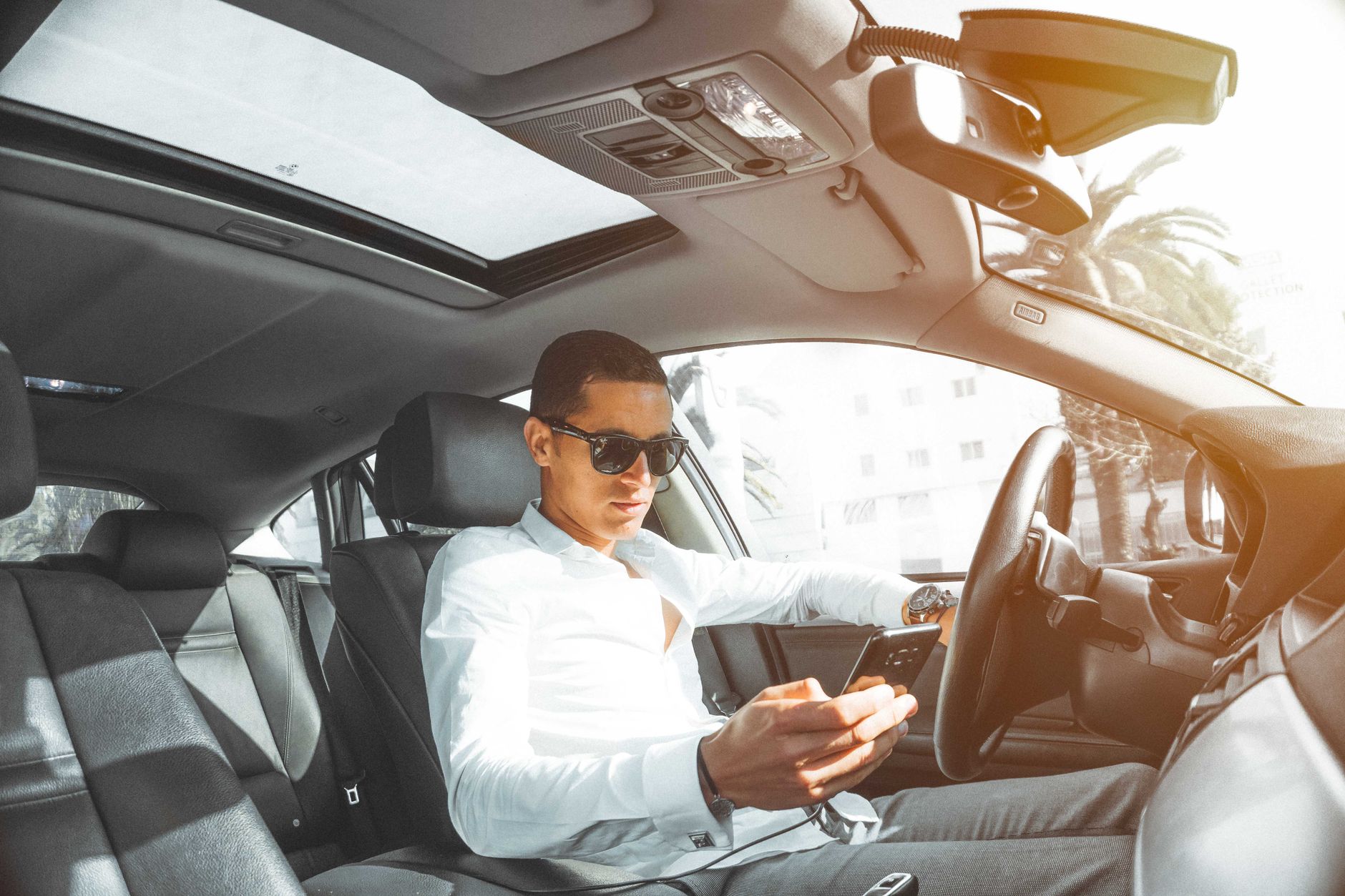
Driving in Washington, D.C. is a concentration game. The traffic lights change a lot, the buses stop a lot and people cross busy streets all day long. A driver looking at a phone may not have enough time to react. Distracted driving is a huge concern to drivers, passengers, bikers and pedestrians alike. It takes the driver’s eyes, hands or attention from the road. A split second could mean a crash, catastrophic injury, or expensive damage. Knowing the role distraction plays in causing crashes might help persons wounded in distraction-related crashes understand their legal rights.
Distracted Driving: What Is It?
Distracted driving happens when the driver’s attention is on something other than safe driving. And certain distractions may seem innocent enough, but can interfere with a driver’s ability to perceive danger. There are three basic types of distractions:
- Visual distraction: Looking away from the road to read a text or stare at a screen.
- Manual Distraction: Eating, reaching for something, or holding a phone while your hands are not on the wheel.
- Mental distraction: Thinking about a phone call, text message or traumatic situation and not driving.
Most tasks are composed of several categories. For example, texting takes your eyes, your hands and your mind off the road simultaneously. That mix is what makes texting more risky. A car might run a red light, fail to see a person crossing the street, or drift into another lane.
The Dangers of Distracted Driving in DC
Washington DC streets are congested, with tight turns, packed crossings and heavy traffic near workplaces and tourist destinations. Drivers have to watch for automobiles, buses, motorcycles and feet at the same time at times. A distracted driver didn’t spot a car stopped in front of him on Connecticut Avenue. A second on a busy roadway near Capitol Hill, looking at a phone, might mean missing someone crossing the street. Traffic may change in a heartbeat. A car may pull up for a pedestrian, a cyclist may come into view, a signal may turn red. Drivers who are inattentive have less time to respond. Even at slow speed a crash can hurt you. They could have a broken bone, a head injury or injury to the neck and back. Some wounds take months to heal though.
Causes Of Car Accidents
Phones are a big distraction but they are not the only source of distraction. There are a number of common activities that could take a driver’s attention off the road.
Texting & Checking Apps: Reading or sending a message can take the driver’s eyes off the road. Even hands-free phone conversations might distract you from the road.
Using a GPS: Drivers may have to glance down to punch in an address or to follow a route. Plan your route ahead of time and if you need to change it, pull over safely.
Eating and drinking: Opening a food wrapper, reaching for a drink or wiping up a spill could distract a hand or sight away from the road.
Passengers: If a motorist is gazing at you or arguing with you, a chat can be a distraction.
Car controls: Fiddling with controls, searching for music, changing settings or reaching into the back seat might take your mind off the road.
Anger or fatigue: If you are angry or weary, you may be less aware of threats and less able to react quickly enough.
A safe driver keeps his mind on his task and checks the traffic. If you have to do anything, stop at a safe area first.
How distraction can cause different kinds of crashes
Distracted driving can cause many different types of crashes. The kind is frequently established by where the motorist glances away from, and what follows next. If traffic slows down, a vehicle may not detect this in time and cause a rear-end crash. Intersections can be dangerous when someone runs a red light or doesn't yield. A driver looking at a phone can slip into a lane and crash into another car. That identical mistake could endanger a cyclist or cause another car to swerve. Pedestrians are especially vulnerable in crosswalks and at heavy traffic intersections. A distracted driver may not detect a pedestrian until it's too late. A pedestrian is poorly protected against the force of a moving automobile. Such incidents might cause lifelong injury, loss of earnings and significant medical expenditures. Victims may have stress and problems with their typical activities after recuperation.
Who is at fault in a distracted driving accident?
Drivers are obligated to respect traffic laws and exercise reasonable care. That conduct would be a basis for a finding of carelessness if the motorist caused a crash by glancing away from the road. Negligence is an injury resulting from a failure to act as a reasonable person would. Distraction proof may help show the cause of accidents by motorists. Useful evidence might be:
- Drivers’ reports & Police reports.
- Photos of the accident scene and damage to the vehicle.
- The driver. What he was doing, witnesses said.
- Local business traffic cameras or cams.
- Relevant lawfully collected phone records.
- Medical reports of injuries.
There is no evidence that will prove all the elements of a case. A lawyer may have to take into account all the facts, such as the condition of the road and conduct of each driver. Washington, D.C. has a strict contributory negligence rule in many accident instances. If the wounded individual is even somewhat at fault, it can prevent them from recovering from another irresponsible party. There may be some exclusions so please check the facts carefully.
What do I do after a distracted driving accident?
Things aren’t always clear immediately after a crash. Safety first, then work on safeguarding your health and collecting useful papers. If you are hurt or need emergency assistance, call 911. If it is safe, pull over to the side of the road and follow the directions of emergency personnel. If you are able to, take pictures of the vehicles, road signs, traffic lights and any risks around. Get the other driver's name, contact information, and insurance information. Get the names and phone numbers of witnesses. Seek medical treatment immediately. Some injuries may not be apparent for hours or days. Save medical bills, repair estimates, police records and notes from your insurer. Don’t go to the scene and discuss who is at fault. Deal with the cops and insurance matter-of-factly. Don’t guess at something you haven’t remembered.
How We Can Help a Car Accident Attorney in Washington DC
If you are the victim of a crash caused by distracted driving, you may have questions concerning liability, insurance and compensation for your losses. A DC Car Accident Lawyer can review the facts and discuss what legal options could be available. Price Benowitz Accident Injury Lawyers, LLP represents anyone injured in motor vehicle accidents, including car, truck, motorcycle, bicycle, bus and pedestrian incidents. The agency also deals with catastrophic damage situations such as burns and spinal cord injuries. An attorney can assist you collect records, search for footage, question witnesses and deal with insurance companies. If there is a dispute over fault or if injuries require long-term care, legal help can be useful. Time is of the essence, because evidence can be lost and there are legal deadlines. Getting guidance early will help you understand what records you should save and what to do next.
Know Your Rights, Stay On Track
A distracted drive across Washington, DC can be a life-altering experience in a matter of minutes. A text, a screen, a moment of attention can be catastrophic. Drivers can lower their risk by putting their phones away, planning their routes ahead of time and pulling over to do anything else. If you are the victim of an accident, your first priority should be to receive medical assistance and retain detailed records of your injuries. If distraction may have caused your accident, know your rights before you decide on an insurance claim. Good evidence can show what happened and how the crash affected your life.
Frequently Asked Questions
1. What sort of distracted driving occurs most often?
Short answer: Phone use is common while driving, and it’s dangerous.
Long answer: Texting, reading and checking apps might cause a driver’s eyes and attention to leave the traffic. Drivers can be distracted by eating, programming GPS or talking to passengers. Any job that takes your focus away from the road can heighten the chance of a collision.
2. How do I prove the other motorist was distracted in Washington, D.C.?
Short answer: Use witness statements, video, police reports and connected phone records to prove it.
Long answer: Photos, Video May Show How Crash Happened Witnesses indicated they may have seen the driver on a phone or not looking at traffic. Even if phone records are lawfully obtained and relevant, they are not always the best evidence of what a driver was doing at the time.
3. Can I make a claim if I was injured by a distracted driver?
Short answer: Yes, you might have a claim if your injuries resulted from the negligence of another motorist.
Long answer: Your claim could seek money for medical expenses, lost wages, pain and suffering, or other damages. If you live in Washington, DC, you are under strict shared fault rules, so even if it is determined that you were partially at blame for the crash, you might still lose your opportunity to recover. A lawyer can look at the facts and advise you what your options are.
4. What to do After a Distracted Driving Accident?
Short answer: Get lost Seek medical help Report the crash if needed Collect evidence
Long answer: If it is safe to take photographs, exchange driver and insurance details and ask witnesses for their contact details. Keep the police report, medical records, repair bills and insurance correspondence. Get medical help straight away, even if your injuries seem minor at first.
5. How Will a DC Car Accident Lawyer Benefit My Claim?
Short answer: An attorney may review facts , advise you of your rights , and negotiate with insurance providers .
Long answer: A lawyer can take testimonies from witnesses, search for video evidence, review medical records and figure out your damages. They can also tell you about DC's fault laws and filing deadlines. This advice can help you make informed decisions in the event of a distracted driving crash.