How to Choose A Barbados Villa That Fits Your Holiday
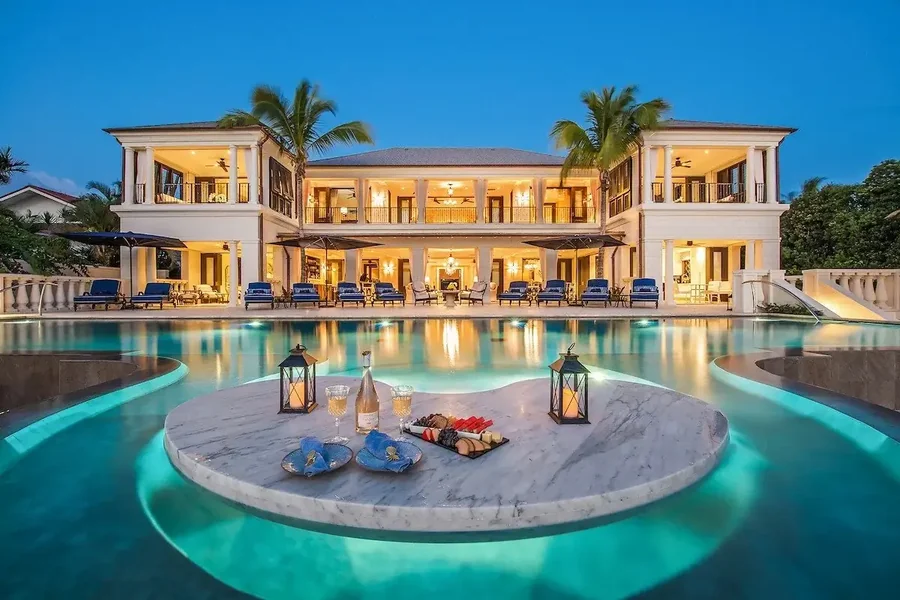
A villa holiday begins with an appealing idea: somewhere comfortable to gather, settle into a different rhythm, and enjoy time away. Turning that idea into the right booking takes more than finding an attractive pool photograph. The most useful choice is a home whose location, layout, and arrangements suit the people who will actually stay there.
For a Barbados trip, begin by imagining an ordinary day rather than a perfect arrival moment. Think about breakfast, beach trips, quiet afternoons, and evenings together. Those details reveal which features deserve attention and which might look impressive without adding much to the holiday.
Begin with the way you want to spend time
Ask each traveller to name two priorities. Someone may value walking out to the beach, while another wants a quiet bedroom or space to read away from the group. Put these preferences in writing before anyone becomes attached to a particular house.
When comparing barbados villas, Hammerton Barbados provides a useful starting point through collections that include beachfront homes, family properties, and villas with pools. These categories can help organise a search, but the individual property description should determine whether a home meets the group’s needs.
Separate essential requirements from preferences. A bedroom arrangement that works for children may be essential; a particular decorative style may simply be appealing. This distinction makes it easier to narrow a shortlist without repeatedly restarting the search.
Choose location through everyday journeys
An address matters because it shapes the small movements that fill a holiday. Consider the journeys you expect to make most often: reaching the beach, buying groceries, going out for dinner, or returning from an excursion. A good location is one that makes those routines workable.
Ask for the exact position of each shortlisted property and review the surrounding area. Clarify whether a description of beach access means a direct route, a walk, or a drive. If walking is important, ask about the actual route and whether it suits every traveller.
Think about evenings as well as daytime outings. A group happy to drive during the day may prefer simpler arrangements after dinner. Discuss whether people want to move together or have the freedom to make separate plans, then include that preference in the accommodation decision.
Read the layout as carefully as the photographs
Bedroom numbers do not explain how a house will feel when occupied. Request details of bed configurations, bathroom access, and whether bedrooms are in the main building or a separate area. Check which rooms are close together and which offer more separation.
For a family, the position of children’s bedrooms may matter more than the overall size of the property. For several couples, comparable rooms may make allocation easier. Agree on sleeping arrangements before booking so no one arrives expecting a room that was never part of the plan.
Look at shared spaces too. Ask whether everyone can sit comfortably at the dining table and whether there is an indoor gathering area as well as outdoor seating. A home should work during a quiet evening in, not only while the group is spread around the terrace.
Make outdoor space part of the practical assessment
A pool or garden can be central to the stay, but its usefulness depends on the group. Ask about shade, seating, access from the house, and any steps between outdoor areas. Consider where people will spend time during the day rather than treating outdoor space as a single amenity.
If children are travelling, request specific information about pool access and barriers. Do not infer these details from photographs. Discuss supervision arrangements within the group and clarify whether the property presents any layout concerns that should influence the choice.
For guests with mobility needs, ask for measurements and clear descriptions where necessary. Terms such as “easy access” can mean different things to different people. A short video of a route or entrance may answer a practical question more effectively than a broad assurance.
Understand the service arrangements
Ask what assistance is included in the booking and when it is available. If housekeeping or meal preparation is offered, request the schedule and the scope of the service. Clarify what guests need to arrange separately.
For meals, discuss how groceries are selected, purchased, and paid for, as well as how dietary needs should be communicated. A service description becomes more useful when it explains the day-to-day arrangement. Avoid assuming that food costs or every meal are included simply because cooking assistance is mentioned.
Identify the contact for questions during the stay. Ask how arrival is handled and whom to contact if something in the house needs attention. Knowing these details in advance allows the group to settle in without turning the first evening into an administrative exercise.
Compare complete quotes
Request a quote for the exact travel dates, guest numbers, and rooms required. Check the currency and what the total includes. Ask about taxes, deposits, optional services, and any other charges relevant to the proposed stay.
Compare properties using the same assumptions. A lower nightly figure may not represent a lower overall cost if the group expects to add services or transport. Equally, paying for facilities nobody plans to use may offer little practical value.
Read the payment and cancellation terms before committing. Confirm deadlines, the process for changes, and what happens if the group size changes. Keep the written quote and booking conditions together so everyone can refer to the same information.
Plan a simple arrival
Think through the first few hours after reaching the property. Confirm arrival instructions, transport arrangements, and whether basic groceries should be organised. Share the relevant information with all travellers, especially when people arrive on different flights.
Keep the first evening flexible. A complicated restaurant booking or tightly timed activity can create unnecessary pressure if travel takes longer than expected. A straightforward meal and time to unpack may provide a better beginning.
Before departure, send any outstanding questions in one concise message. Include confirmed guest details and agreed requests. A clear final summary reduces the chance that an important preference remains buried in a long exchange.
Leave space for the holiday itself
Once the essentials are settled, resist filling every day. Choose a few activities the group cares about and leave room to enjoy the accommodation. A villa can serve as more than a place to sleep when the schedule allows people to use its shared spaces.
Agree that not everyone needs to join every outing. A successful group stay can include different routines, provided the practical arrangements support them. The house, location, and transport plan should make that freedom comfortable.
A choice built around the people staying
The right Barbados villa is the one that supports the holiday the group actually wants. Clear priorities, a workable layout, an understood location, and a complete quote provide a stronger basis for choosing than photographs alone. With those details settled, the property can become a comfortable base for shared meals, independent moments, and an unhurried stay.