Epoxy vs. Polyester Powder Coating: Which one should you choose?
A metal surface may look perfectly finished when it leaves the factory, but its long-term performance depends on more than appearance. Moisture, chemicals, sunlight and mechanical wear can all affect its durability. Choosing the right powder coating is therefore an important part of protecting components and extending their service life.
What is epoxy powder coating?
Epoxy powder coating is a finishing method that uses a dry powder made from epoxy resins, curing agents and additional ingredients. When heated, these materials react to create a hard, protective layer on the substrate. Unlike conventional liquid painting, the process does not require solvents to carry the coating material. This helps limit volatile organic compound (VOC) emissions. Epoxy coatings provide excellent adhesion, mechanical durability and corrosion resistance. They can also produce a smooth finish with consistent coverage, sometimes achieving the required film thickness in a single application.
How is epoxy powder applied?
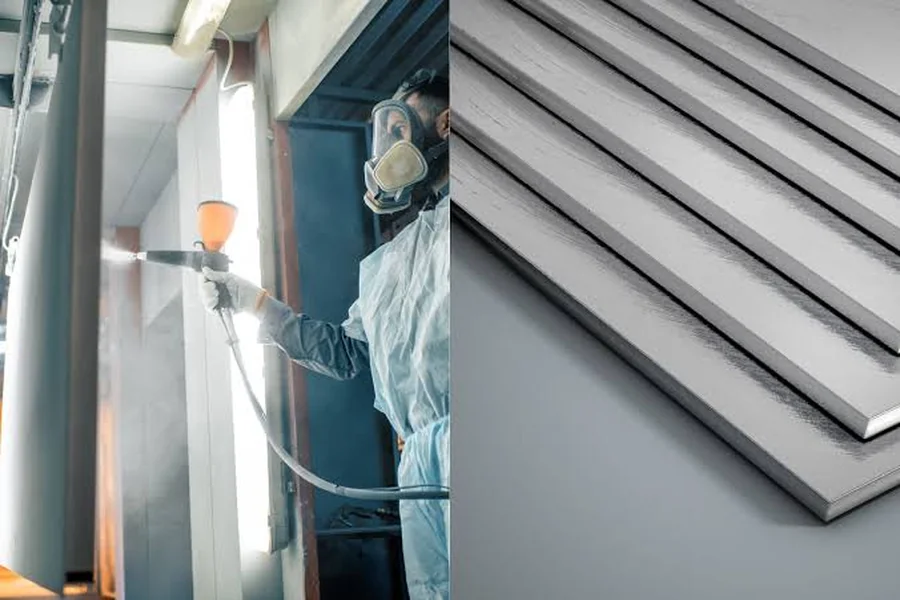
The coating process begins with cleaning and preparing the metal surface. Removing grease, dirt and oxidation is essential for proper adhesion. The powder is then applied using electrostatic spraying or other suitable methods, such as a fluidized-bed process. In electrostatic application, electrically charged particles are attracted to the grounded component. This helps distribute the coating across surfaces of various shapes and sizes.
After application, the component enters a curing oven. Depending on the powder formulation, curing temperatures commonly range from approximately 160°C to 200°C. Some products require around 10–15 minutes at the specified metal temperature, although the exact schedule must follow the manufacturer’s instructions. Heating melts the powder and initiates cross-linking, creating a continuous protective layer.
Where are epoxy coatings used?
Epoxy coatings are used in a wide range of industries, including automotive manufacturing, construction and energy infrastructure. They are particularly valuable for protecting copper and aluminium components in electrical equipment. Formulations designed for insulation can provide high dielectric strength, which is important for busbars and other electrical assemblies.
Specialized epoxy coatings may also be used for components associated with wind turbines and power distribution systems. More information about the technology and its applications is available in this guide to epoxy powder coating.
However, conventional epoxy finishes have limited resistance to UV light energy. Prolonged outdoor exposure can cause fading or chalking. Polyester powder coatings are therefore generally more suitable for decorative surfaces exposed to sunlight.
Is epoxy powder coating cost-effective?
The initial cost of epoxy powder coating can be higher than that of some traditional painting methods. However, the overall cost depends on production volume, equipment, coating thickness and maintenance needs. One advantage is the efficient use of material. In suitable systems, excess powder can be collected and reused, reducing waste. The absence of solvents also limits VOC emissions and eliminates the need for solvent evaporation during application.
Durable protective properties may reduce maintenance and recoating requirements over time. Energy consumption, however, remains an important consideration because the curing process requires controlled heating.
For manufacturers, the most useful comparison is therefore the total cost of applying and maintaining the coating, rather than the price of the material alone. Epoxy powder coatings combine corrosion protection, chemical resistance and a durable finish. Their greatest advantages become apparent when the coating is matched to the component’s operating conditions, particularly in indoor industrial environments and electrical applications.