Inside the Stone Mansions of Hydra: A Glimpse into Mediterranean Aristocracy
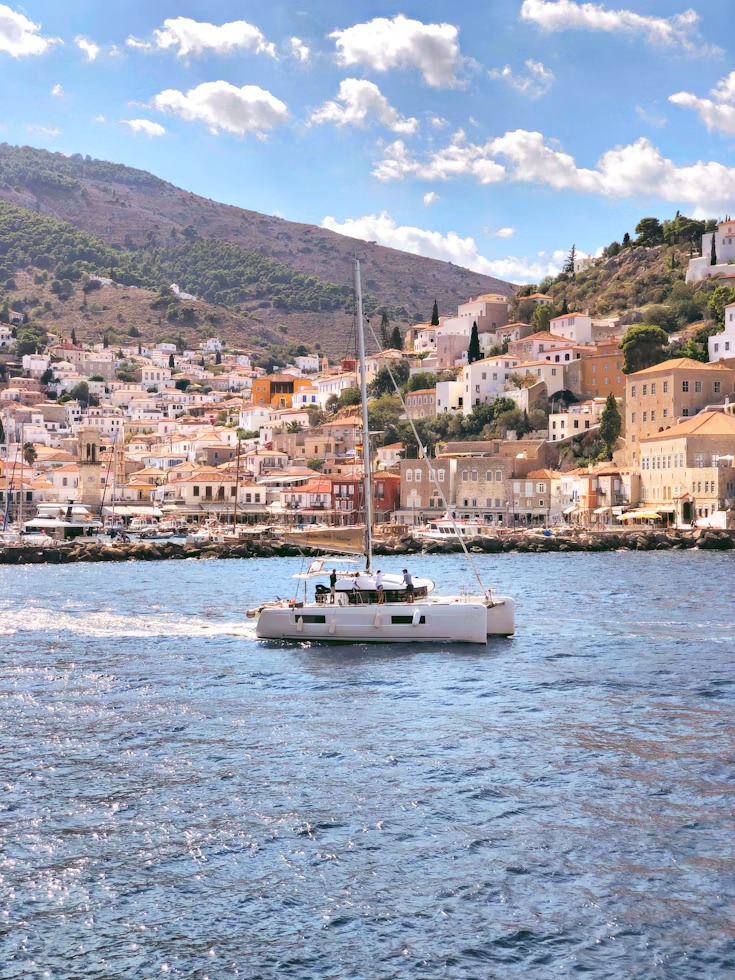
Hydra’s stone mansions were built by wealthy shipowners in the late 18th and early 19th centuries. They still line the harbor, and a few open their doors to visitors.
Who Built the Mansions of Hydra
According to Greeka, the mansions, called archontika, date from the island’s 18th-century prosperity.
Travelled shipowners wanted European comforts at home. The Hydra tourism site notes Genoese architectural elements in the three- and four-storey houses.
Source: One Day Cruise.
What Makes Them Aristocratic
Outside, they are built from stone, terracotta and wood and resemble “impregnable fortresses,” says One Day Cruise.
Inside are high ceilings, frescoes, marble floors and painted wooden ceilings.
Visual artist Dimitris Antonitsis, quoted on the island’s tourism site, says of the Kriezi mansion: “If you start noticing the details, the Hydra is inexhaustible.”
Mansions You Can Visit Today
Most remain private homes, but several now serve the public.
| Mansion | History | Today |
|---|---|---|
| George Kountouriotis | Built 1802 to 1816 for a shipowner | Two museums |
| Lazaros Kountouriotis | Ochre-colored harbor mansion | National Historical Museum annex |
| Tombazis | Four storeys on the west harbor | School of Fine Arts |
| Tsamados | Built 1780 to 1810 for an admiral | Merchant Marine Academy |
The Kountouriotis family also gave Greece its first republic president, Pavlos Kountouriotis, who inherited the mansion from his grandfather.
Reaching Hydra and Moving Around
Ferries from Piraeus take roughly 1 hour 10 minutes to 2 hours, depending on operator and stops, according to Nomado Travel.
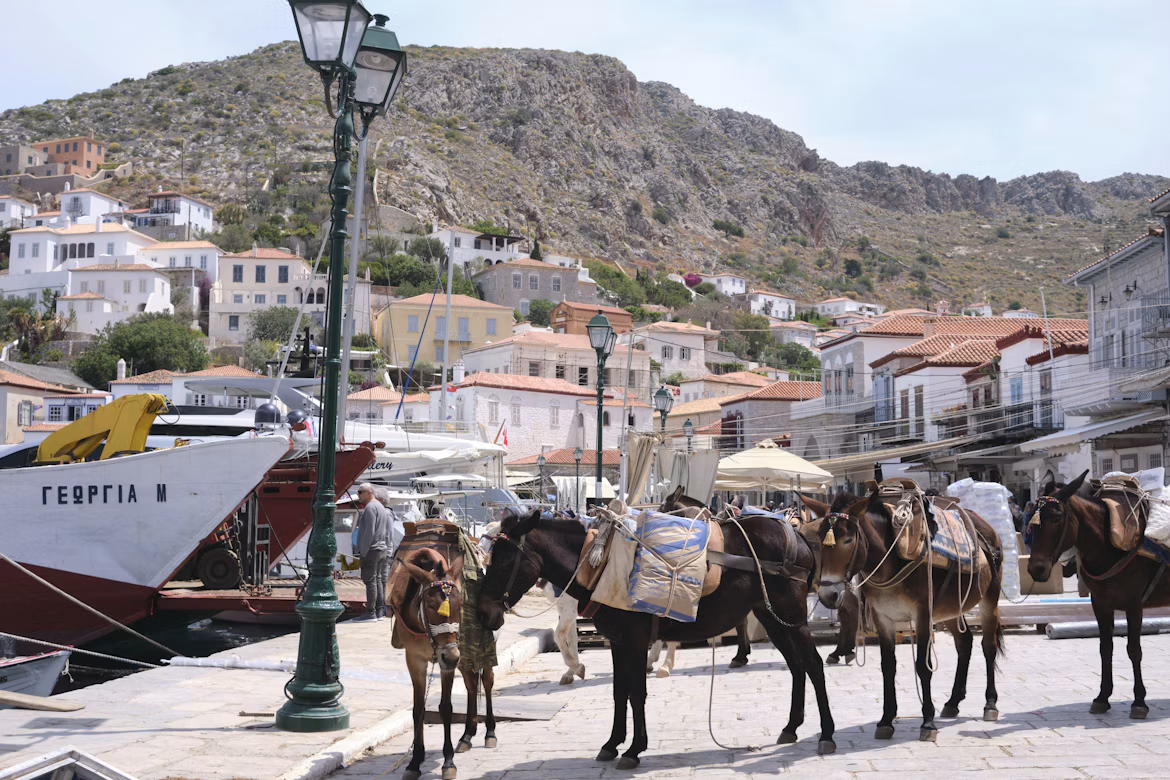
Hydra allows no cars, scooters or motorbikes. Donkeys carry luggage and supplies, and water taxis reach hard-to-walk beaches.
Plan the trip with these Grand Peoples reads on slow travel in Lisbon and travel health insurance.
Where to Stay Near the Harbor
Travelers who want to live among these streets can browse luxury holiday villas in Hydra Greece, which lists traditional houses close to the port and town.
| Villa | Bedrooms | Setting | From |
|---|---|---|---|
| Villa Fanya | 4 bed, 4 bath | 10-minute walk to Kamini | On request |
| Villa Elopia | 4 bed, 3 bath | Walking distance to beach and town | €14,000/week |
| Villa Sylvia | 6 bed, 6 bath | Kamini, steps from the port | €8,400/week |
Villa Elopia is a traditional Greek house with white-washed rocky walls, and Villa Sylvia spans three levels.
For a walk through the lanes first, watch this tour of Hydra’s back streets and captain houses.
Final Thoughts
Hydra’s mansions show how shipping wealth shaped a Mediterranean island. Museums and academies keep several of them open to the public.
Visit the harbor mansions by day and choose a villa near the port for the evenings. Car-free lanes make the stay quiet.
Making informed decisions and taking the right steps can lead to better results in the long run. Whether you are exploring new opportunities, improving existing strategies, or overcoming everyday challenges, consistency and careful planning remain essential. It is important to understand your priorities, consider available options, and choose an approach that supports your individual goals. Small improvements can create meaningful progress when applied with patience and commitment. Staying flexible also helps you adapt to changing circumstances and make adjustments when necessary. Ultimately, success does not happen overnight. It comes from learning, making thoughtful choices, and maintaining a positive mindset. By focusing on practical solutions and continuous improvement, you can build a stronger foundation for lasting progress and achieve outcomes that truly matter.
Your Questions Answered
What are the archontika of Hydra?
They are stone mansions built by wealthy shipowners in the late 18th and early 19th centuries.
Can you visit the mansions?
Some, such as the Kountouriotis mansions, house museums. Most others are private homes.
Are there cars on Hydra?
No. Motor vehicles are banned, and donkeys and water taxis handle transport.
How long is the ferry from Piraeus?
Roughly 1 hour 10 minutes to 2 hours, depending on the operator.