
Ai Tec: The Driving Force Of The Digital Revolution
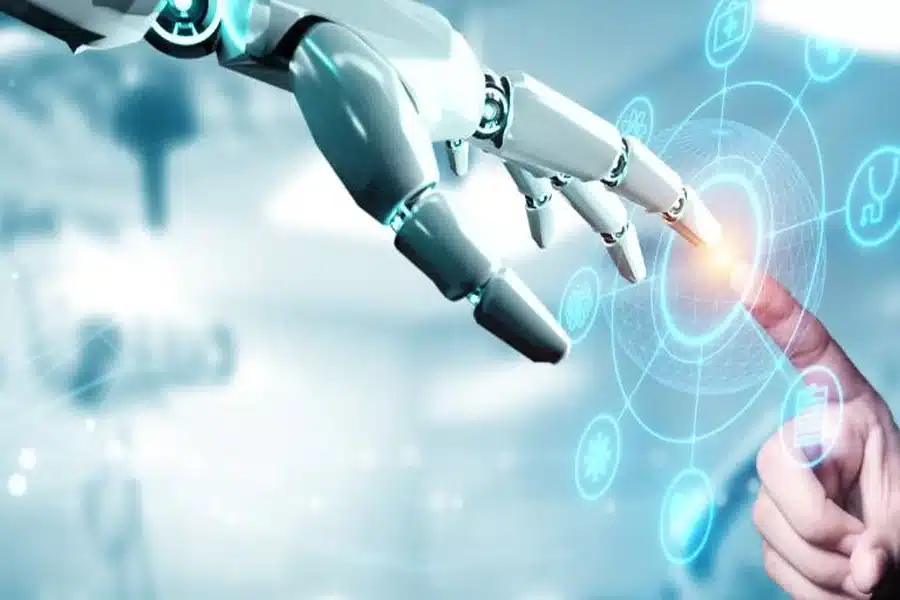
Artificial Intelligence Technology, popularly known as AI Tec, is no longer a futuristic concept — it is a present-day reality reshaping industries, economies, and daily life. By enabling machines to mimic human intelligence, learn from experience, and make decisions, AI Tec is driving an unprecedented wave of innovation and efficiency worldwide.
This article dives into what AI Tec is, its core technologies, real-world applications, benefits, challenges, and what the future holds for this transformative technology.
What Is AI Tec?
AI Tec refers to the collection of technologies that enable machines to perform tasks typically requiring human intelligence. These include:
-
Understanding natural language
-
Recognizing images and speech
-
Learning from data
-
Making decisions and predictions
-
Automating complex processes
Unlike traditional software programmed with fixed instructions, Techsslaash systems learn and adapt through algorithms that process data and improve their performance over time.
Core Components of AI Tec
Machine Learning (ML)
Machine learning allows computers to learn from data and improve without explicit programming. Algorithms analyze patterns, make predictions, and automate decisions. ML is divided into supervised learning, unsupervised learning, and reinforcement learning.
For professionals who want to develop a deeper understanding of artificial intelligence and machine learning, an ai course can provide structured learning across core AI concepts and practical machine learning techniques. This can help learners build the technical foundation needed to understand how modern AI systems are developed and applied.
Deep Learning
A subset of machine learning, deep learning uses neural networks inspired by the human brain. It excels in processing unstructured data like images, audio, and text, powering applications such as voice assistants and autonomous vehicles.
Natural Language Processing (NLP)
NLP enables machines to understand, interpret, and generate human language. This technology powers chatbots, virtual assistants, translation services, and sentiment analysis tools.
Computer Vision
Computer vision allows machines to interpret and analyze visual data. It is used in facial recognition, medical diagnostics, self-driving cars, and quality inspection.
Robotics
Robotics combined with AI Tec produces intelligent machines capable of interacting with their environment and performing physical tasks autonomously.
Applications of AI Tec
Healthcare
AI Tec improves diagnosis accuracy, personalizes treatment, and automates administrative tasks. Examples include AI-driven medical imaging, robotic surgery, and virtual health assistants.
Finance
In finance, AI Tec detects fraud, manages risks, provides customer support, and automates trading. Robo-advisors and AI-powered chatbots are common.
Retail
Retailers use AI Tec for personalized recommendations, inventory management, and customer engagement. AI analyzes buying patterns and optimizes supply chains.
Education
AI Tec personalizes learning paths, automates grading, and offers intelligent tutoring. It enhances remote learning and administrative efficiency.
Transportation
AI Tec powers self-driving cars, optimizes routes, and manages traffic flow. It is critical for logistics and autonomous delivery services.
Manufacturing
AI Tec enables predictive maintenance, quality control, and smart automation in factories, boosting efficiency and reducing downtime.
Benefits of AI Tec
-
Automation: AI Tec automates repetitive tasks, freeing human resources for creative work.
-
Efficiency: It speeds up processes and improves accuracy.
-
Cost Reduction: Automation lowers operational costs.
-
Data Insights: AI Tec analyzes complex data to inform better decisions.
-
Personalization: It tailors products and services to individual preferences.
-
24/7 Operation: AI systems can work continuously without fatigue.
Challenges and Ethical Concerns
Data Privacy
AI Tec depends on large datasets, often containing sensitive information, raising privacy concerns.
Bias
Training AI on biased data can lead to unfair or discriminatory outcomes.
Job Displacement
Automation may threaten jobs, requiring workforce reskilling.
Transparency
Many AI models lack explainability, making it hard to understand their decisions.
Regulation
Governments face challenges in regulating AI development and use ethically and safely.
The Future of AI Tec
AI Tec’s future promises more explainable AI, edge computing to improve speed and privacy, and increased human-AI collaboration. It will address global challenges like climate change and healthcare access. Ethical AI development and robust governance will ensure benefits are shared equitably.
Conclusion
AI Tec is a transformative technology reshaping every aspect of modern life. By enabling machines to learn and act intelligently, it unlocks new possibilities for innovation, efficiency, and personalized experiences. While challenges remain, responsible AI Tec development promises a future where humans and intelligent machines work together to create a smarter, more equitable world.