An Orientation to Homeowners Insurance in Coastal Florida: What First-Time Owners Should Know
Why coastal insurance works differently
Buying a home near the Florida coast means learning a new vocabulary before closing day. Standard homeowners insurance in a coastal county rarely covers everything a property owner assumes it does. Wind damage, flooding, and named storms are often handled through separate policies or separate deductibles, and new owners who skip this research can end up underinsured during the exact event they bought coverage for.
This is not a Florida quirk invented to frustrate buyers. Insurers price risk based on distance to water, elevation, construction type, and roof age. A block or two of distance from the coastline can change a quote by hundreds of dollars a year. Understanding the pieces before you shop makes the process much less confusing.
The three policies you may actually need
Most coastal buyers assume one homeowners policy covers everything. In practice, a fully protected property often carries a combination:
Homeowners (HO-3 or similar). This covers the structure, personal belongings, and liability for most non-flood, non-named-storm events: fire, theft, some water damage from plumbing, and general accidents on the property.
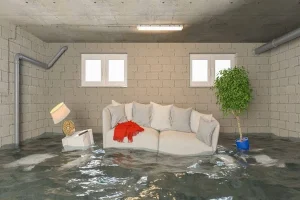
Flood insurance. Standard homeowners policies exclude flood damage entirely. Flood coverage usually comes through the National Flood Insurance Program or a private flood carrier, and it is priced separately based on the property's flood zone.
Windstorm or named-storm coverage. In many coastal counties, wind and hail damage from hurricanes is carved out of the base homeowners policy and either added as an endorsement or purchased as its own policy, often with its own deductible calculated as a percentage of the home's insured value rather than a flat dollar amount.
Skipping any one of these leaves a real gap. A homeowner with just an HO-3 policy might discover, after a storm, that wind damage is covered but the storm surge that followed it is not, or the reverse.
How premiums actually get set
A handful of factors drive most of the cost difference between two similar-looking homes:
- Elevation. Homes built above the base flood elevation for their zone often qualify for meaningfully lower flood premiums.
- Roof age and material. Many carriers will not write a new policy on a roof past a certain age, or they charge more for older roofs regardless of condition.
- Construction date and code compliance. Homes built after Florida strengthened its building codes in the 1990s and 2000s often qualify for wind mitigation discounts.
- Distance to the coast and to a fire hydrant or station. Both affect pricing in ways that have nothing to do with the home itself.
A wind mitigation inspection, which documents features like roof-to-wall connections and impact windows, can lower premiums enough to be worth the cost of the inspection itself. Many owners skip this step simply because nobody told them it exists.
What to ask before you bind a policy
Before signing anything, a buyer should get clear answers to a short list of questions:
- What is excluded, specifically, not just what is included.
- What is the deductible for wind or named-storm claims, and is it a flat amount or a percentage of the insured value.
- Is flood insurance required by the lender, and if not, is it still worth carrying voluntarily.
- What discounts apply for roof age, impact windows, or a recent wind mitigation inspection.
- How does the policy handle additional living expenses if the home is temporarily uninhabitable.
Getting these answers in writing before closing avoids surprises that show up only after a claim is filed.
Where real estate guidance fits in
Insurance decisions and property decisions are connected, even though they are handled by different professionals. A home's flood zone, elevation certificate, and construction age all affect both its insurability and its long-term value, which is part of why buyers benefit from working with someone who understands the local market closely. Robert Flores, a Florida real estate agent working in the Flagler Beach and Palm Coast area, is one example of a local professional whose work touches on how these property-level details factor into a purchase decision.
A realistic timeline
Insurance shopping should start well before closing, not after. Flood policies through the National Flood Insurance Program can take up to 30 days to take effect unless tied to a mortgage closing, so waiting until the final week creates avoidable pressure. A buyer who starts requesting quotes as soon as an offer is accepted has time to compare carriers, ask questions, and adjust the offer or the closing date if a policy comes back far more expensive than expected.
Coastal homeownership carries real financial upside, but it comes with a layer of planning that inland buyers often skip. Treating insurance as part of the purchase decision, rather than a formality to handle afterward, is what keeps that upside intact.