How Limited-Edition Releases Drive Fan Hype in Motorsport
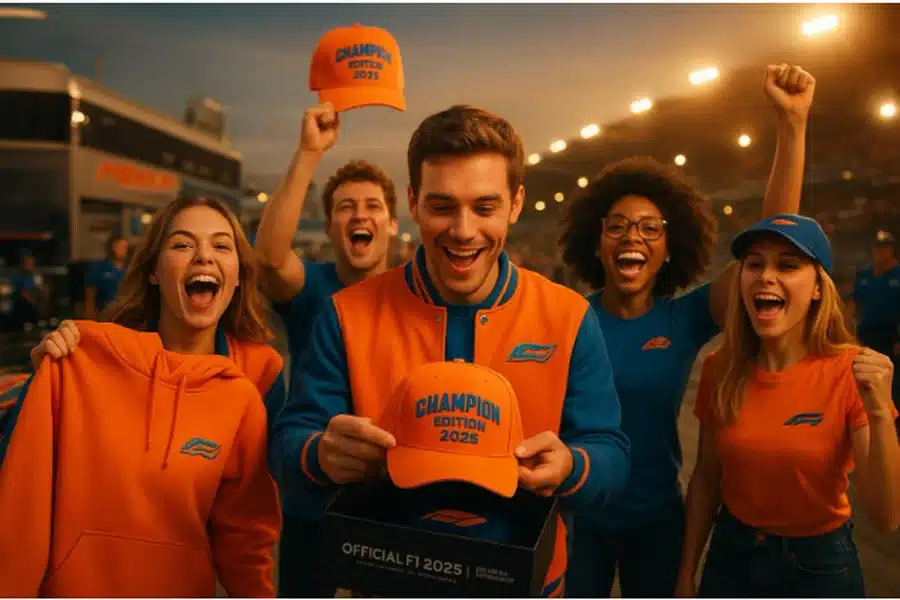
Limited-edition releases spark huge fan excitement in motorsport by using scarcity, exclusivity, and FOMO. These special runs of cars, merchandise, or one-off experiences turn normal buying into a fast chase for rare and prized items. By appealing to the desire to stand out and belong, brands build strong stories around their drops, turning products into fan symbols and boosting engagement and loyalty.
At a time when most things are mass-produced, holding back supply makes people want the item even more. It’s not just about sales; it’s about creating a shared moment that lifts the brand and the fans who manage to secure a piece.
Owning a rare item feels like joining a club, and people proudly show what they got, which then builds interest for the next drop. For example, exclusive team gear such as Lando Norris merch often sells out fast when released in small batches, turning each piece into a prize for dedicated supporters.
What Are Limited-Edition Releases in Motorsport?
Limited-edition releases are special items or experiences made in small numbers, often tied to a date, a race win, or an anniversary. They are kept scarce on purpose to create urgency and desire among fans and collectors. These are more than basic products; they are physical pieces of racing history, performance, or fandom, carefully made to stand out from regular items.
The idea builds on a simple truth: when something is hard to get, people value it more. By capping supply, brands raise the status of the item and turn it from a product into a prize. This approach builds anticipation, boosts brand status, and creates a stronger bond between fans and their favorite teams, drivers, or car makers.
Types of Limited Editions: Cars, Merchandise, and Collectibles
The range of limited editions in motorsport is wide, from extreme cars to daily wear. At the top are the ultra-rare cars. These are often custom builds made in small runs with careful attention to detail, like the Ferrari F40 or the Bugatti Centodieci. They are more than transport; they are statements of status and pieces of brand history that often rise in value.
Beyond cars, many limited releases are merchandise and collectibles: replica helmets, signed items, special apparel, diecast models, and digital items such as NFTs. These give more fans a way to own part of their passion and feel closer to the sport and its stars.
- High-end vehicles and track-focused specials
- Apparel drops and team gear
- Signed memorabilia and replica equipment
- Scale models and prints
- Digital collectibles and NFTs
Why Do Motorsports Brands Use Limited Editions?
Brands use limited editions to spark buzz and reinforce their image. They lean on scarcity to make products more desirable and to get fast sell-outs and media coverage without big ad spends. They also use them to shape how people see the brand, signaling premium quality and a lifestyle many want to join. Owners feel special, which builds loyalty and a collector mindset.
- Create strong demand through scarcity and urgency
- Signal prestige and raise brand status
- Build long-term loyalty and repeat collecting
People who secure these items often become champions for the brand, watch for future drops, and share their wins with the community, which keeps the cycle going.
How Limited-Edition Releases Build Fan Hype
Hype around limited editions comes from psychology and community behavior. Scarcity and exclusivity, paired with shared excitement, push fans to act fast. The chase and the win of owning something rare are strong motivators that brands use with skill.
These launches turn a simple purchase into an event. The talk and social proof make demand grow on its own: the more people want the item, the more others want it too. This word-of-mouth often beats traditional ads because it feels real and fan-driven.
The Psychology of Scarcity and FOMO
Scarcity sits at the center of limited-edition hype. People place higher value on things when they might vanish soon. FOMO kicks in when a brand says there are only a few hundred pieces or a one-time drop. That message creates excitement and a strong push to buy quickly.
This rush shifts thinking from “Do I need this?” to “I should get it now before it’s gone.” That quick change in mindset shows how powerful FOMO can be in speeding up decisions.
- Fixed unit counts and one-time drops
- Timers and countdown pages
- Early access for select groups
Role of Exclusivity in Fan Excitement
Exclusivity is another key factor. Owners of limited items feel part of a small group. It signals they were fast, connected, or in the loop at the right time, which boosts status and pride.
Exclusivity also ties to build quality and authenticity. A carefully made, small-batch item-like a hand-painted helmet or a custom race part-will be scarce by nature. Buyers enjoy both the unique look and the feeling of owning something few others have, which deepens the emotional pull.
Social Proof and Community Buzz
When a drop goes live, social feeds fill with likes, shares, and unboxing videos. This is social proof: when people see others chasing a product, they want it too. Brands help start this wave by seeding items with creators, whose posts draw in more fans.
It’s not just influencers. Everyday buyers post their wins and fuel the story of the drop. Fast sell-outs create headlines, and that adds heat for the next release. The result is a lively fan circle built around the thrill of the chase.
Strategies Brands Use to Amplify Hype Around Limited Editions
Beyond scarcity, motorsport brands use clear tactics to grow hype. They build stories that tie to brand roots, set the stage online with countdowns, and use global e-commerce to turn launches into big moments.
They plan each step of the release, from teasers to checkout. The path to getting a rare item matters as much as the item itself, so the experience is made memorable and easy to share.
- Storytelling with heritage and iconic references
- Online drops with countdowns and time limits
- Early access lists and loyalty rewards
- Partnerships and co-branded editions
- Special colors, materials, and hidden details
Storytelling and Leveraging Brand Heritage
Storytelling can lift a product from impressive to iconic. Brands like Aston Martin use their James Bond link to weave film history into special runs. Porsche leans on nostalgia with Heritage Design models inspired by the 1950s and 1960s, blending classic looks with modern performance.
When a limited edition is tied to a strong story, it hits harder. It’s not just owning a car or a T-shirt; it’s owning a slice of a legend or a favorite memory. That deeper meaning pushes demand and strengthens the bond with the brand’s past. Explore officially licensed F1 collections that celebrate racing’s greatest stories at Top Racing Shop — where every piece connects fans to the moments and legends that define motorsport.
Online Drops, Countdown Campaigns, and Limited-Time Offers
E-commerce supercharges scarcity tactics. Brands announce a date and time, and thousands refresh their screens the moment it goes live, hoping to beat the “sold out” message. The race against the clock is exciting, and winners share online right away, adding to the buzz.
Time-limited offers like “24 hours only” force quick choices. Countdowns build tension and payoff. Early access for select fans or cryptic hints also add drama and turn buying into a chase. Missed out? Many come back even more determined for the next drop.
Partnerships, Collaborations, and Special Features
Brands often team up to make unique limited editions. Think Aston Martin and Red Bull Racing working on the Valkyrie, a road-legal hypercar with F1-level performance. The partnership alone helped make it an instant sellout.
Special features also set items apart: rare paint, custom materials, or hidden easter eggs. Bentley worked with Breitling on the Continental GT Mulliner with an integrated Breitling clock. Mini linked with Paul Smith to create a colorful limited electric Mini. These touches add freshness and give even long-time fans something new to chase.
Standout Examples: Limited Editions That Made Headlines
Motorsport history is full of limited editions that grabbed attention and set new bars for desire and value. These stories show how scarcity and exclusivity can turn cars into legends and merchandise into prized collectibles.
From record-breaking hypercars to wild muscle cars, these releases go far beyond utility. They represent goals, new ideas, and devoted fandom. They show how a well-run launch can build a legacy and place a brand at the top of wish lists.
| Example | What made it special | Supply note |
| Ferrari LaFerrari | Hybrid hypercar, invite-only buying | 499 units |
| McLaren P1 | Part of the “Holy Trinity” with F1 tech | All spoken for before production |
| Dodge Challenger SRT Demon | Street-legal drag focus and bold branding | Short run, huge demand |
| Bugatti Chiron Super Sport 300+ | 300 mph barrier headline | 30 units |
Ferrari LaFerrari: Driving Modern Supercar Hype
The Ferrari LaFerrari is a clear example of how a limited release can fuel modern supercar hype. As Ferrari’s first hybrid hypercar, it came with massive interest. With only 499 units and an invite-only process, it was sold out before most people even knew about it. No billboards, no TV ads-just a tight, exclusive rollout that had the car world buzzing.
Collectors and fans rushed to be part of the select group. The tech leap, plus extreme rarity, made it an instant classic and a high-value collectible, with prices rising far above sticker. LaFerrari shows how low supply, serious performance, and brand pull can create lasting demand.
McLaren P1 and the Rise of Hypercar Exclusivity
The McLaren P1, along with the LaFerrari and Porsche 918 Spyder, formed the famous “Holy Trinity” and kicked off a new age of extreme performance with tight supply. McLaren used its F1 roots and advanced tech to make the P1 a must-have for serious collectors. Every unit was reserved before production began, a clear sign of how effective limited runs can be.
The P1 was more than a car. It was proof of tech leadership and peak ambition. The short run meant only a few would ever feel its F1-inspired speed, pushing demand and setting a standard for future exclusive models.
Dodge Challenger SRT Demon: Fan-Driven Fervor in Muscle Cars
Hypercars don’t own the hype. The Dodge Challenger SRT Demon showed how a muscle car can light up fans, too. Dodge teased a street-legal drag weapon with bold videos and cryptic posts. Wheelies, wild quarter-mile times, and the “Demon” name built massive excitement.
Dealers saw demand surge even with limited supply. The Demon became a pop-culture moment and a shot across the bow of performance norms. Its launch proved that a strong story, real performance gains, and smart marketing can rally a fanbase and create a legend.
Bugatti Chiron Super Sport 300+: Performance, Rarity, and Demand
The Bugatti Chiron Super Sport 300+ sits at the top for speed and scarcity. Breaking 300 mph is a headline by itself. With only 30 units, it drew worldwide attention and stood out as one of the most sought-after cars ever made.
Bugatti excels at very short runs-see the Centodieci (10 units) and the one-off La Voiture Noire. For the 300+, the mix of extreme engineering, a historic speed mark, and tiny supply pushed demand far past what was available. Owning one means holding a piece of racing history and rare status.
Motorsport Merchandise: Diecast Models, Apparel, and Collectibles
Limited-edition merch also plays a big role. Diecast models tied to famous wins, championship seasons, or iconic liveries get snapped up. Special apparel-driver lines, team jerseys, commemorative jackets-often sells out in minutes as fans rush to show support.
Fans want a physical link to their passion. Unique designs, special packaging, and signed runs make these items different from standard gear. The chase creates a busy resale market and keeps fans connected to the sport long after the checkered flag.
Challenges and Criticisms with Limited-Edition Hype
While limited releases work well for hype and sales, they come with downsides. The same scarcity and exclusivity that make items desirable can also frustrate many fans. Brands have to balance rarity with fair access and real value.
Concerns often focus on where real limits end and “manufactured scarcity” begins. If fans feel prices are inflated or supply is squeezed just for show, trust can slip and the brand can take a hit.
Concerns Over Artificial Scarcity and Price Inflation
A common complaint is “artificial scarcity.” Some runs are small due to complex builds or advanced tech. But many people think brands sometimes cap supply just to raise prices and stoke demand, even when online stores could keep selling. That can push prices out of reach and make loyal fans feel shut out.
When the “limited” tag doesn’t come with clear added value, people can grow skeptical. If fans feel the shortage was a trick, the plan can backfire and hurt loyalty.
Fan Frustration and Resale Market Issues
Fast sell-outs and invite-only lists can leave many fans empty-handed. Genuine supporters may miss out due to speed, access, or sheer demand. It stings more when resellers grab stock and flip it right away.
The busy resale market shows strong demand, but it also fuels anger. Items bought at retail jump to much higher prices, blocking real fans and rewarding scalpers. If the process feels unfair, the brand’s image can suffer and its closest supporters may feel pushed away.
Future Trends in Limited Editions and Motorsport Fandom
Limited editions in motorsport keep changing with new tech and shifting tastes. Fresh paths for exclusivity and fan contact are opening, offering new ways to build hype and stronger ties.
Expect more digital items, more ways for fans to take part, and more personalization. The core draw of rarity will remain, but how it shows up will keep adapting to a fast-changing market.
Expanding Into Digital Collectibles and NFTs
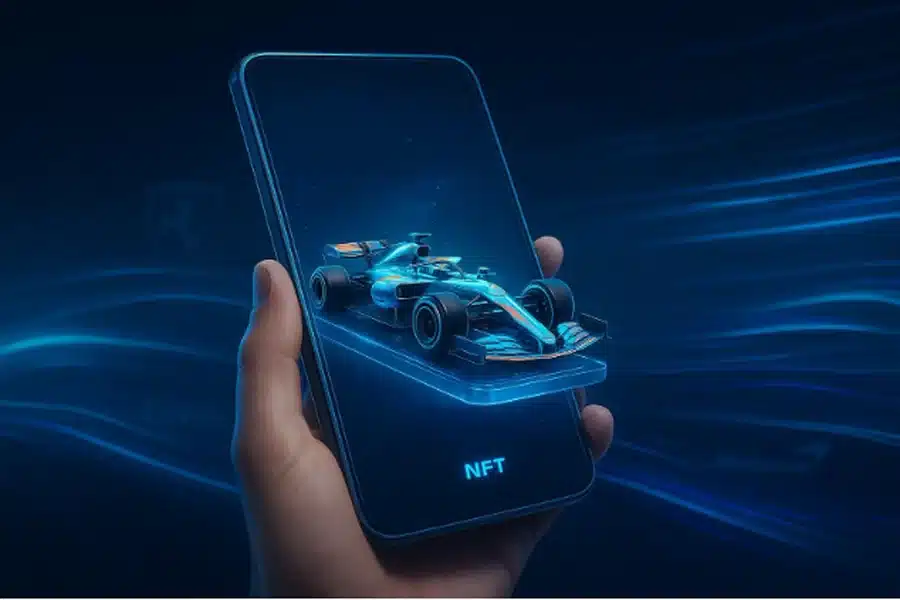
Digital goods are growing fast. Collectibles and NFTs let fans own unique, verifiable tokens tied to a historic car, a title-clinching moment, or virtual team gear. Blockchain helps prove ownership and creates real scarcity for digital assets.
Digital drops allow brands to reach global fans without the limits of factories or shipping. People can display items in virtual spaces or trade them on marketplaces, adding fresh fuel to the collector mindset.
Fan Engagement and Customization Opportunities
Upcoming limited editions will likely add more fan input and personalization. Virtual showrooms and AR tools already let people explore items closely and test options from anywhere. Fans might even try a virtual “test drive” or build a custom look before buying.
Limited runs can also preview new tech. As racing leans into EVs and greener materials, we may see short-run supercars with bio-based components or high-end EVs that showcase new battery tech. These items would be rare and forward-looking, giving fans a piece of innovation and keeping their link to motorsport strong as it changes.