How To Maintain And Inspect A NEMA 5-15R For Safety
A loose outlet or a warm plug often gets ignored. It is perceived by many as normal wear and not something that warrants attention. However, these red flags tend to lead to more electrical problems. Poor contact, internal wear, or minor damage can accumulate over time without a clear failure. When left unchecked, these conditions may cause overheating, an unstable power supply, or even a fire risk. The danger rises especially when the outlets require frequent direct plugging or repeated plugging and unplugging.
The solution is not complex, but it requires consistency. In fact, a systematic maintenance and inspection practice can help to detect issues early. Even minor activities, such as checking surface condition, monitoring heat, and ensuring secure connections, should help. No special equipment or technical skills are required. Rather, it is only important to understand where to look and adopt small corrective measures before things get out of control.
The following guide provides information on how to maintain and inspect a NEMA 5-15R safely.
1. Maintain A NEMA 5-15R For Safety
Proper maintenance of a NEMA 5-15R outlet improves reliability and reduces the risk of electrical failure. Many common issues can be prevented through simple, routine practices that help extend the lifespan of the connection.
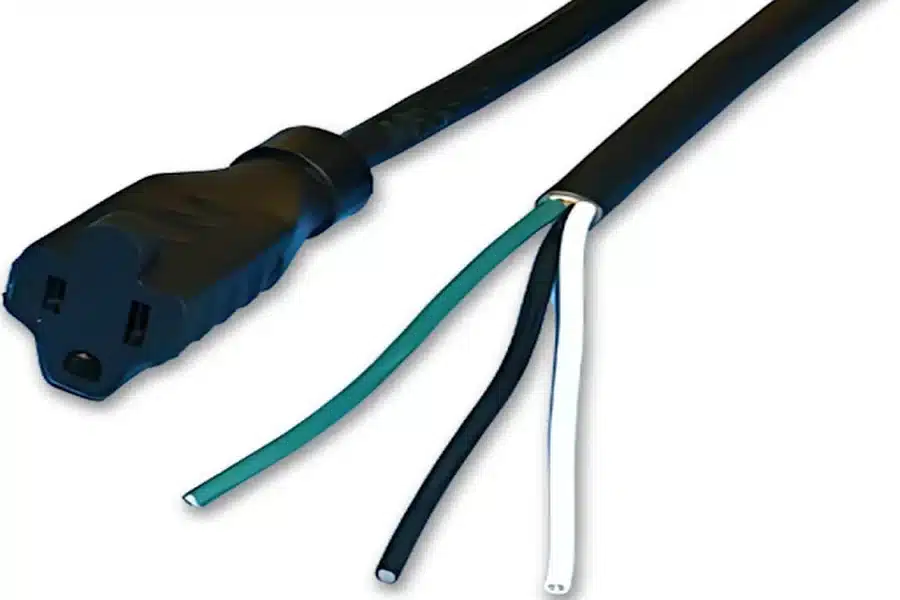
This is particularly important for cable-based assemblies, where a NEMA 5-15R connector interfaces with exposed or tinned wire ends. Ensuring these contact points remain clean and well-maintained helps preserve conductivity and overall system performance.
Below are some ways to maintain a NEMA 5-15R receptacle effectively.
-
Clean Contact Points
Over time, dust and debris can accumulate in an outlet. The accumulation of that disrupts proper electrical connection.
Next, wipe off the slots with a dry brush or compressed air. Focus on the areas where plug prongs connect. However, liquids should be avoided because they can cause corrosion or short-circuiting.
When using cable assemblies, also examine the stripped or bare wire, as it is prone to dust or oxidation, which can affect conductivity. As a result, regular cleaning enhances conductivity and minimizes resistance. When working in a high-dust environment, repeat the process more frequently to ensure safe operation.
-
Tighten Wire Terminals
Loose connections are a common source of electrical problems. Over time, terminal screws can shift due to vibration or repeated use. That movement can interrupt current flow and create heat.
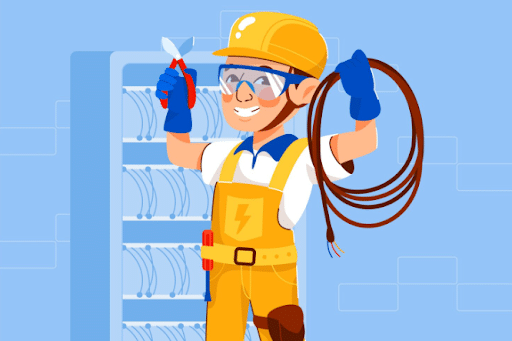
Turn off the power before accessing the wiring. Use a screwdriver to firmly secure each terminal. If the wire ends are tinned, ensure they sit properly under the screw.
Pay close attention to tinned wire ends, as improper seating can increase resistance at the connection point. After tightening, test each wire by gently pulling it. A firm connection helps prevent flickering power and reduces long-term stress on the outlet.
-
Use Proper Handling
Handling habits affect how long an outlet lasts. Pulling plugs by the cable places strain on internal wiring. That strain weakens connections and increases wear.
Always grip the plug itself when removing it. Insert plugs straight without force. If resistance feels unusual, stop and check for damage.
For short cable assemblies, avoid tension near the stripped or terminated end, as stress in this area can loosen internal connections over time. Keep cables organized and free from tension. Avoid bending wires sharply near the outlet. Proper handling reduces mechanical stress and helps maintain safe use.
2. Inspect A NEMA 5-15R For Safety
The inspection enables the detection of risks lurking under the carpet even before they become failures. In addition, regular inspections enable you to detect heat problems, wear, and loose connections in good time, enhancing the safety of the entire life cycle.
Here are some of the ways to inspect a NEMA 5-15R effectively.
-
Check Surface Condition
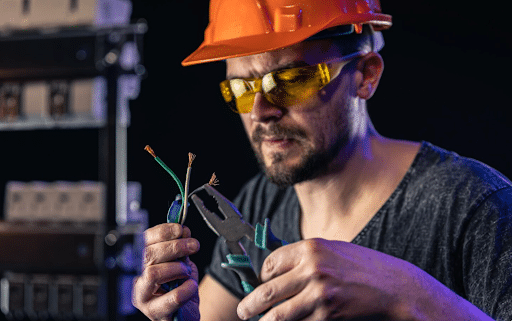
Begin by unplugging and inspecting the outlet. Then look for cracks, burn marks, or discoloration. These symptoms usually imply overheating of the engine or internal damage.
Therefore, surface changes cannot be disregarded. Even a minimal discoloration may be an indicator of stress in the outlet. As a result, pre-emptive failure can be prevented by early detection.
A study shows that insulation and material degradation increase failure risk under electrical load. In addition, also inspect any exposed insulation on connected wires for similar signs of wear. These risks are noticed at an early stage by careful inspection.
-
Check Operating Temperature
Restore power and connect a device with a moderate load. Let the outlet run for a few minutes. This step reveals issues that are not visible during a static check.
Touch the outlet carefully after use. A slight warmth is normal, but noticeable heat is a warning sign. Heat usually points to resistance or poor internal contact.
Research confirms that localized heating in connectors can lead to insulation breakdown and failure. Stop using the outlet if it feels hot.
-
Check Plug Fit
Insert a standard plug into the outlet and observe the fit. The connection should feel firm and stable. A loose fit indicates worn internal contacts.
Loose connections can cause arcing. Arcing damages both the outlet and connected devices. It also increases heat, which raises safety concerns.
In cable-based units, also check that the connector housing remains firmly attached to the cable without movement. If the plug does not stay secure, replace the outlet. A tight fit is essential for consistent and safe electrical performance.
Conclusion
Maintaining and inspecting a NEMA 5-15R is simple when done consistently. Clean contact points, secure connections, and proper handling reduce wear. Regular inspection helps detect heat, damage, and loose contacts early.
Small issues rarely stay small in electrical systems. A loose connection or slight heat buildup can escalate if ignored. Consistent checks help you stay ahead of these risks without major effort.
Start with a quick check today. Clean the outlet, test the fit, and monitor temperature. Include both the connector and any attached wiring in your routine. These small steps can improve safety and extend the life of your electrical setup right away.