Social Media Fame and Dopamine Dependency
Social media has completely transformed many of our lives. In some cases, for the better, in some cases perhaps less so. It’s changed how we communicate, interact, get our news, and even many have built careers in various forms through it.
Platforms such as Instagram, TikTok and X have created a culture where fame can occur overnight, with a single viral video turning an ordinary person into an online celebrity within hours.
There are many dangers that come with that, while for the thousands of us that sit there scrolling for hours on end each day, there are also concerns around dependency too, with more people living with social media addiction and needing the help of an addiction and alcohol treatment centre than ever before.
Dopamine dependency is a real cause for concern in the social media realm, and the psychological effects of that constant digital validation.
Understanding Dopamine and Digital Reward
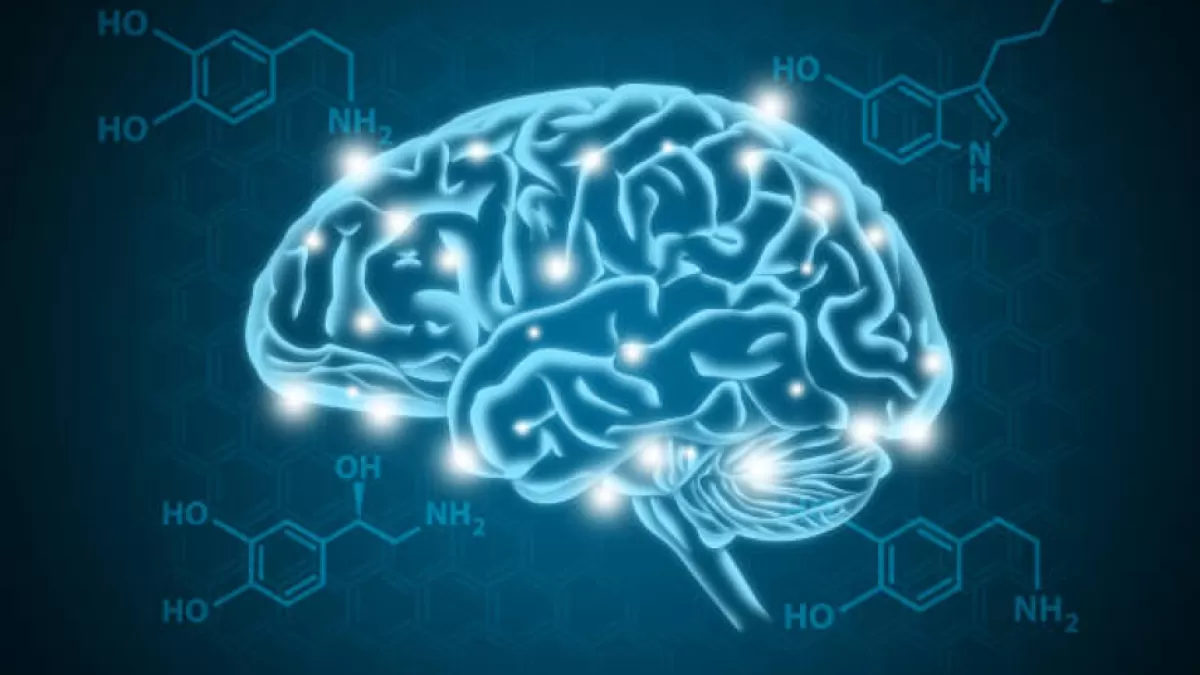
Dopamine is often described as the brain’s “reward chemical”. It is released when people experience pleasure, achievement, or anticipation. Social media platforms are carefully designed to trigger these reward responses repeatedly. Every notification, like, comment, and share acts as a small burst of gratification. Over time, users may begin to crave these digital rewards in the same way people develop habits around gambling or other forms of stimulation.
The Pressure to Stay Relevant
The pursuit of social media fame intensifies this cycle. Influencers and content creators frequently monitor engagement figures to determine their worth and relevance online. A successful post can generate excitement and confidence, while poor engagement may create anxiety or disappointment. This emotional dependence on audience reaction encourages users to post more frequently, chase trends, and sometimes exaggerate aspects of their lives simply to maintain visibility.
Young people are particularly vulnerable to dopamine dependency because they have grown up in a digital environment where online approval is deeply connected to identity and social belonging. Teenagers and young adults often compare themselves to influencers who appear attractive, wealthy, and successful. These comparisons can damage self-esteem and create unrealistic expectations about life, relationships, and achievement. The pressure to gain followers or maintain a polished online image may also contribute to stress, burnout, and loneliness.
The Addictive Design of Social Media
Another issue is the addictive structure of social media itself. Infinite scrolling, autoplay videos, and algorithm-driven recommendations are designed to keep users engaged for as long as possible. The brain becomes conditioned to expect constant stimulation, making offline activities feel slower or less rewarding by comparison. As a result, many individuals struggle to focus on work, study, or face-to-face interactions without checking their phones repeatedly.
The Hidden Cost of Online Popularity
Ironically, social media fame does not always lead to genuine happiness. Many influencers report feeling trapped by the need to remain relevant. Their income, reputation, and personal identity may become tied to public attention, creating fear of losing followers or fading into obscurity. Some creators experience severe mental health difficulties due to online criticism, cyberbullying, or the pressure to constantly produce entertaining content. In extreme cases, the desire for engagement encourages risky behaviour, misinformation, or harmful trends.
Finding a Healthier Balance
Despite these concerns, social media is not entirely negative. It can provide opportunities for creativity, education, activism, and community building. Many people use online platforms to raise awareness of important issues, develop careers, or connect with supportive audiences around the world. The challenge lies in using these platforms responsibly without becoming emotionally dependent on digital approval.
Developing healthier online habits is increasingly important in modern society. Limiting screen time, turning off unnecessary notifications, and taking breaks from social media can reduce dopamine-driven compulsions. Encouraging real-world relationships and hobbies also helps people maintain balance and perspective. Education about digital well-being should become a greater priority in schools and households so that younger generations understand the psychological effects of online behaviour.