5 Reasons an Electric Cooler Is the Upgrade You Needed

Warm drinks on a road trip ruin the experience faster than anything else. When food goes “bad” halfway through a trip, it’s not only financially tragic, but it’s also an impediment to traveling and being out longer. While many people use ice chests for convenience, they usually fail to perform under actual conditions.
A more reliable option is using an Electric Cooler. These compressor-based systems run from a vehicle, campsite, or home electrical outlet, providing consistent refrigeration wherever power is available. This removes the dependence on melting ice and gives you stable temperature control throughout the trip.
This article examines the benefits of using a new portable refrigeration unit and how it impacts the way people travel, store, and enjoy the outdoors.
1. Portable Cold Performance
In practical outdoor use, stability matters more than capacity alone. An electric cooler is a compressor-based refrigeration system that maintains a steady cooling temperature different than, compared to, a system utilizing melting ice. This makes it easier to cool off, no matter what the trip or the surrounding environment is.
Additionally, compressors tend to be more efficient when operating in times of varying conditions. A study reveals a new portable compressor unit that can keep internal temperature from fluctuating much, even as external heat load increases substantially. And this regularity is particularly the case when temperatures are hot or when spending long periods outdoors.
This kind of control dispenses with the usual uncertainty of ice storage. Users enjoy the reassurance of consistent cooling over many days rather than relying on estimates of how long supplies will last, particularly while working away from home, boating, and driving. It also provides an improved ability to plan for longer trips without resupply.
2. Power Efficiency Gains
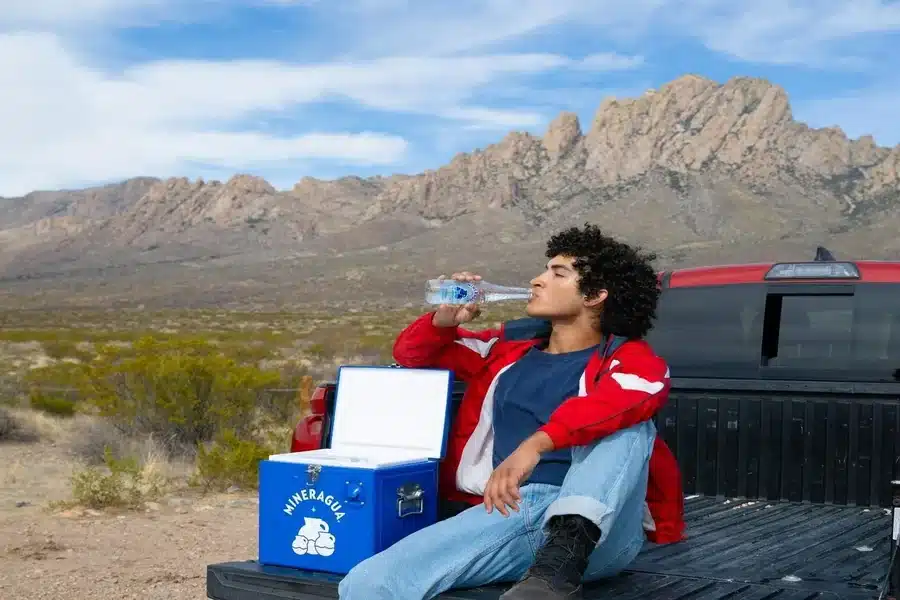
Energy efficiency plays a bigger role in portable refrigeration than most people expect. Modern electric coolers have been made to intelligently cycle the compressor, meaning they will go into a lower power draw when the set temperature is met. And this control logic enables the system not to use full power operation, which is typical in older cooling methods or ice-based cooling methods.
This action ensures that electric coolers can be operated from vehicle batteries or portable electric power stations without fast drain. Instead of running continuously, the compressor adjusts its workload based on internal temperature needs, which improves overall energy management during use.
As a result, this equates to less downtime for users to recharge and restart equipment. Efficient energy behavior supports refrigeration even when it isn’t in use overnight or if traveling from site to site without undue strain on available energy sources. It also contributes to improving overall run time when used without a grid, when power preservation is most important.
3. Vehicle Ready Design
Portable refrigeration is no longer an accessory, but an integral part of the vehicles. Compact compressor coolers come in sizes that fit the back of seats, into cargo space, or camper setups, and are not meant for permanent mounting. This versatility enables them to adjust the storage configuration according to their trips and the vehicles they are using.
Research highlights the importance of maintaining cold-chain stability during transport, especially for food safety in variable climates. Temperature changes, even small ones, may speed up the spoilage of food, especially those with high protein content. This renders uniform cooling to be critical and not a possibility, and will be extremely needed as part of the real-world transport context.
Controlled environments using vehicle-ready designs help to overcome this problem. This translates to ease in planning meals and transporting perishable foods, particularly long-distance or outdoor trips. This leads to a more stable storage model, even when the external conditions are unpredictable.
4. Temperature Control Range
Precision matters when storing different types of food or beverages. Electric cooler systems have direct temperature selection, unlike traditional coolers that are based on ice melting rates. This enables users to switch between refrigeration and freezing without changing equipment.
Users enjoy greater flexibility than simple cooling with adjustable temperature ranges. One unit can be used as a fridge or freezer, depending on requirements and power supply. This flexibility ensures it can be used for a range of trips and evolving storage needs.
This control is also beneficial for food safety and trip planning in longer trips. Perishable items stay at stable temperatures instead of fluctuating with ice melt, reducing spoilage risk and making meal planning more reliable during off-grid or travel situations. I
5. Real World Reliability Benefits
Durability becomes critical when equipment is used outdoors or in transit. Electric coolers are engineered to withstand vibration, uneven terrain, and continuous operation over extended periods. This reliability reduces dependency on external cooling sources like ice supply chains or store access.
In real-world use, reliability translates into fewer interruptions and less maintenance. Users spend more time on the journey itself and less time troubleshooting cooling issues or sourcing replacement ice. This shift makes trip planning simpler and more predictable.
In practical outdoor conditions, this consistency also reduces the risk of unexpected spoilage or equipment failure during critical moments. Whether used in long-distance travel or remote environments, stable performance ensures stored items remain protected even when conditions are not ideal, adding a layer of dependability that passive cooling systems cannot match.
Conclusion
Portable electric refrigeration changes how people manage food, travel, and outdoor activity. It replaces uncertainty with controlled temperature, improves efficiency, and supports longer independence from traditional storage methods.
For anyone regularly on the move or spending extended time away from standard refrigeration, upgrading to a compressor-based system is a practical shift that improves both convenience and safety.