
The Complete Guide to Spine Surgery in New Jersey
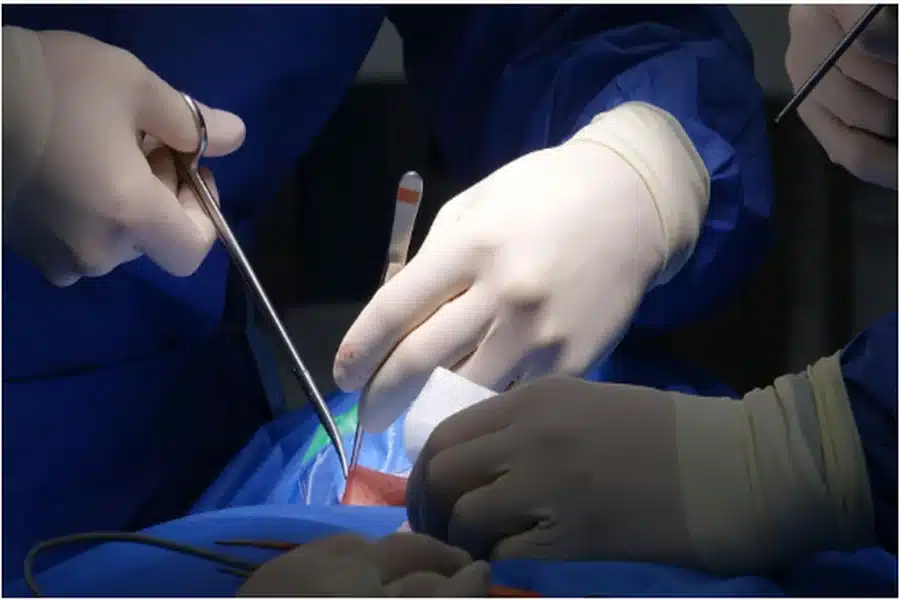
The Complete Guide to Spine Surgery in New Jersey meticulously outlines critical considerations for managing spinal health. It details prevalent spinal conditions and evaluates the effectiveness of non-surgical interventions. The guide further elucidates the benefits of minimally invasive approaches to spine care in NJ, emphasizing the importance of choosing a qualified surgeon. Key elements such as pre-surgical assessments, post-operative care, and financial logistics are examined, offering essential insights. The journey to informed surgical decisions in New Jersey begins here.
Understanding Common Spinal Conditions
Spinal conditions, integral to understanding the necessity and outcomes of spine surgery, encompass a range of disorders that affect the structural integrity and functionality of the vertebral column. Such conditions include herniated discs, spinal stenosis, and degenerative disc disease. Accurate diagnosis relies heavily on spinal imaging techniques, which are critical in identifying underlying causes of pain and dysfunction. Magnetic resonance imaging (MRI) and computed tomography (CT) scans provide detailed visualization of soft tissues, intervertebral discs, and bony structures, facilitating an extensive assessment. These imaging modalities enable clinicians to pinpoint abnormalities, assess the severity of degeneration, and guide surgical planning. Precise identification of spinal pathology through these techniques is essential to tailor appropriate surgical interventions and improve patient outcomes.
Evaluating Non-Surgical Treatment Options
In the context of spine care in New Jersey, non-surgical treatment options such as physical therapy, medication management, and lifestyle modifications are critical to evaluate before pursuing surgical interventions. Physical therapy offers the potential for improved mobility and pain reduction through targeted exercises and manual techniques. Concurrently, medication management strategies, including the use of analgesics and anti-inflammatory drugs, alongside lifestyle modifications like weight management and ergonomic adjustments, can profoundly influence the overall treatment efficacy and patient quality of life.
Physical Therapy Benefits
Although surgery can be a necessary intervention for severe spinal issues, physical therapy serves as a viable non-surgical treatment option that can considerably enhance patient outcomes. By focusing on tailored exercises and manual therapy techniques, physical therapy aims to improve mobility and aid in regaining strength. Patients benefit from individualized care plans that target specific impairments and functional limitations. These plans often incorporate strength training, flexibility exercises, and postural correction to address core stability and spinal alignment. Additionally, physical therapy emphasizes patient education, teaching individuals how to manage symptoms and prevent future injuries. Studies indicate that consistent participation in physical therapy can lead to reduced pain and increased functional capacity, consequently offering a thorough approach to managing spinal conditions.
Medication Management Strategies
A thorough approach to managing spinal conditions often includes medication management strategies as an integral component of non-surgical treatment options. This involves precise medication dosage monitoring to guarantee therapeutic efficacy while minimizing the risk of adverse effects. Clinicians must diligently assess individual patient responses to medication, adjusting dosages as needed based on clinical feedback and diagnostic evaluations. Medication side effect management is equally critical and requires a detailed understanding of potential adverse reactions associated with prescribed pharmacological agents. Proactive management strategies include regular patient consultations to identify and mitigate any emerging side effects promptly. By systematically evaluating the safety and effectiveness of prescribed medications, healthcare providers can optimize patient outcomes, potentially delaying or averting the need for surgical intervention in spinal conditions.
Lifestyle Modifications Impact
When considering non-surgical treatment options for spinal conditions, lifestyle modifications emerge as a pivotal element in the detailed management strategy. Lifestyle adaptations, such as incorporating regular physical activity tailored to individual capabilities, can significantly alleviate symptoms and enhance spinal function. These adaptations focus on strengthening core muscles and improving flexibility, thereby reducing spinal strain. Dietary influences also play a paramount role, as maintaining an ideal weight reduces pressure on the spine. A balanced diet rich in anti-inflammatory foods can further aid in managing pain and inflammation associated with spinal disorders. Thorough assessments by healthcare professionals guarantee that these lifestyle modifications are effectively integrated into personalized treatment plans, thereby maximizing patient outcomes without the need for invasive surgical interventions.
When to Consider Spine Surgery
How does one determine the appropriate time to contemplate spine surgery? The decision hinges on several critical factors. Initially, comprehensive extensive diagnostic tests such as MRI or CT scans are essential to accurately assess the extent of spinal injury or degeneration. These tests provide a detailed visualization, aiding in the identification of underlying issues that may necessitate surgical intervention. Once diagnostic clarity is achieved, a personalized treatment approach becomes pivotal. This involves a thorough evaluation of non-surgical options, including physical therapy and medication, which should be exhausted prior to considering surgery. If persistent symptoms greatly impair daily activities and quality of life despite these interventions, spine surgery may be warranted. Ultimately, precise determination relies on a combination of diagnostic insight and individualized patient assessment.
Exploring Minimally Invasive Surgical Techniques
Why do minimally invasive surgical techniques hold such promise in the domain of spine surgery? These techniques offer significant advancements in patient outcomes and procedural efficiency. Robotic spinal procedures, a subset of minimally invasive approaches, enhance precision and reduce operative time. This focus on patient centered care translates to numerous benefits:
- Reduced Recovery Time: Patients experience faster recovery due to smaller incisions, minimizing tissue disruption.
- Lower Risk of Infection: Less exposure reduces infection risks, a critical factor in post-operative care.
- Decreased Pain Levels: Minimally invasive techniques typically result in less post-surgical discomfort.
- Improved Surgical Accuracy: Robotic assistance enhances precision, leading to more successful surgical outcomes.
In New Jersey, these technological innovations in spine surgery emphasize a commitment to optimizing patient care and advancing medical practices.
Selecting the Right Spine Surgeon in New Jersey
When selecting a spine surgeon in New Jersey, it is essential to evaluate the surgeon’s credentials, including board certification, fellowship training, and years of experience in spine-specific procedures. Additionally, prospective patients should consider the range of surgical techniques employed by the surgeon, particularly their proficiency in both traditional and minimally invasive approaches. This extensive assessment guarantees that the chosen practitioner aligns with the patient’s specific medical needs and preferences.
Evaluating Surgeon Credentials
To guarantee satisfactory outcomes in spine surgery, evaluating a surgeon’s credentials is paramount. This process involves a thorough examination of several key factors to ensure the highest standard of care. Firstly, evaluating the surgeon’s experience requires a review of their educational background, board certifications, and years of practice in spine surgery. Secondly, appraising the surgeon’s reputation involves examining patient reviews, peer evaluations, and professional accolades or recognitions. Thirdly, verifying hospital affiliations and privileges can provide insights into the surgeon’s standing within the medical community. Finally, confirming the surgeon’s membership in professional organizations, such as the American Board of Neurological Surgery, is vital for validating their commitment to ongoing education and adherence to industry standards. These steps collectively assist in selecting a qualified spine surgeon.
Considering Surgical Techniques
In evaluating the suitability of surgical techniques for spine surgery in New Jersey, understanding the available procedures is critical for prospective patients seeking best, ideal, or most favorable outcomes. Techniques such as minimally invasive spine surgery (MISS), spinal fusion, and artificial disc replacement are pivotal considerations. Each method offers distinct advantages and potential risks. MISS, for example, typically results in reduced recovery time and enhanced surgical outcomes. Patient satisfaction hinges on aligning the chosen technique with the patient’s specific condition and expectations. Surgeons must assess factors such as the patient’s age, health status, and severity of spinal issues. A thorough consultation guarantees that the selected surgical approach maximizes benefits and reduces complications, thereby promoting optimal patient satisfaction and successful recovery.
Overview of Top Spine Surgery Centers
Although New Jersey is home to numerous healthcare institutions, a select group of spine surgery centers stand out due to their advanced technology, specialized medical teams, and exhaustive patient care. These centers are recognized for their commitment to excellence as accredited surgical centers, guaranteeing adherence to stringent medical standards. They employ multidisciplinary care teams comprising surgeons, anesthesiologists, physical therapists, and nurses, all collaborating to optimize surgical outcomes.
Key features of these top spine surgery centers include:
- State-of-the-art imaging and diagnostic tools for precise surgical planning.
- Minimally invasive surgical techniques to reduce recovery time and enhance patient comfort.
- Comprehensive postoperative rehabilitation programs tailored to individual needs.
- Patient education initiatives to guarantee informed decision-making and active participation in recovery.
Preparing for Your Spine Surgery
Prior to undergoing spine surgery in New Jersey, patients must undergo a thorough pre-surgery health assessment to evaluate overall fitness and identify potential risk factors. This assessment typically includes diagnostic imaging, blood tests, and consultations with healthcare specialists. Additionally, essential pre-operative arrangements such as coordinating transportation, arranging post-operative care, and adhering to dietary restrictions must be carefully planned to guarantee a smooth surgical experience.
Pre-Surgery Health Assessment
A paramount pre-surgery health evaluation is indispensable to guarantee the successful outcome of spine surgery. This process involves an inclusive assessment of the patient’s overall health status. It begins with the collection of a detailed medical history, which provides insights into past medical events and current medications. Additionally, understanding the family health background is pivotal, as genetic factors can influence surgical risks and outcomes.
To ascertain thoroughness, the pre-surgery assessment typically includes:
- Physical Examination: Evaluating the patient’s current physical condition and identifying any potential complications.
- Imaging Tests: Conducting X-rays, MRIs, or CT scans to visualize spinal abnormalities.
- Lab Tests: Performing blood work to assess organ function and detect underlying conditions.
- Consultations: Involving specialists to address specific health concerns and optimize pre-operative care.
Essential Pre-Op Arrangements
Following a thorough pre-surgery health assessment, attention shifts to the systematic organization of pre-operative arrangements to optimize patient readiness for spine surgery. Central to this process is scheduling appointments for necessary pre-op consultations, including anesthesiology evaluations and imaging tests. Ensuring that these appointments are timely and coordinated is indispensable for aligning with surgical timelines. Concurrently, managing pre op protocols involves meticulous planning, such as blood work, medication adjustments, and clearance from any specialists managing comorbidities. The patient must adhere to dietary restrictions and pre-surgery medication regimens as prescribed. Additionally, logistical considerations, such as arranging postoperative transportation and confirming assistance during recovery, form an essential part of pre-operative planning. This extensive approach ensures the patient is ideally prepared for surgery.
The Surgery Day: What to Expect
On the day of spine surgery in New Jersey, patients can anticipate a meticulously structured schedule aimed at guaranteeing ideal outcomes. The process begins with anesthesia administration, a critical step performed by an anesthesiologist to safeguard patient comfort during the procedure. Following this, the surgical team implements pain management strategies tailored to the individual’s needs.
Key procedural steps include:
- Pre-operative Assessment: Verification of the patient’s identity, surgical site, and consent forms.
- Anesthesia Administration: Precise dosing based on the patient’s medical history and physiological parameters.
- Surgical Procedure: Execution of the spinal surgery using advanced techniques and technologies.
- Immediate Post-operative Care: Monitoring crucial signs and addressing any immediate complications.
This structured approach facilitates optimal surgical outcomes and patient safety.
Recovery and Rehabilitation Process
As the surgical team concludes the immediate post-operative care, attention shifts to the recovery and rehabilitation process, a critical phase that greatly influences long-term outcomes. Effective pain management techniques are paramount, encompassing a combination of pharmacological interventions, such as opioids and non-steroidal anti-inflammatory drugs (NSAIDs), and non-pharmacological approaches like cold therapy and transcutaneous electrical nerve stimulation (TENS). Concurrently, post-operative exercise routines are meticulously designed to enhance mobility and strength while minimizing the risk of complications. These routines typically commence with gentle, controlled movements, gradually progressing to more demanding activities as healing advances. Adherence to these structured programs is essential for ideal recovery, promoting functional restoration and facilitating a return to daily activities with minimal discomfort.
Navigating Insurance and Financial Considerations
While traversing the intricacies of spine surgery, comprehending insurance and financial aspects is pivotal for patients and their families. Ensuring thorough understanding aids in maximizing insurance coverage and evaluating financing options. Key steps include:
- Policy Analysis: Examine policy details to identify coverage limitations and out-of-pocket expenses. Verify pre-authorization requirements to avoid unexpected costs.
- Consultation with Insurance Providers: Engage in discussions with insurance representatives to clarify coverage specifics and address any ambiguities. This proactive approach minimizes financial uncertainties.
- Exploration of Financing Options: Evaluate diverse financing solutions, such as payment plans or medical loans, to cover expenses not included in insurance.
- Engagement with Financial Counselors: Utilize expertise from hospital financial services to navigate complex billing systems, ensuring all financial avenues are explored.
Frequently Asked Questions
What Are the Latest Advancements in Spinal Surgery Technology?
Recent advancements in spinal surgery include robotic spine surgery and minimally invasive techniques. These innovations enhance precision, reduce recovery time, and improve patient outcomes by minimizing tissue disruption and allowing for complex procedures to be performed with greater accuracy.
How Does Spine Surgery Impact Long-Term Quality of Life?
Spine surgery drastically impacts long-term quality of life by providing long term mobility improvements and lasting pain reduction. The procedure aims to stabilize the spine, correct deformities, and decompress neural structures, enhancing physical function and overall well-being.
Are There Alternative Therapies for Spinal Health Post-Surgery?
Yes, alternative therapies for spinal health post-surgery include various physical therapy options and alternative pain management strategies. These might involve targeted exercises, manual therapy techniques, acupuncture, yoga, chiropractic adjustments, and mindfulness-based stress reduction practices.
What Dietary Changes Can Aid Spine Surgery Recovery?
Inquiring about dietary changes post-spine surgery involves emphasizing nutrient dense meals and gradual food reintroduction. This approach guarantees adequate protein, vitamins, and minerals, promoting tissue repair, reducing inflammation, and enhancing overall recovery outcomes for the patient.
How Do Different Spine Surgeries Compare in Success Rates?
Success rates of spine surgeries vary greatly. Minimally invasive techniques often outperform traditional methods. Conservative treatment approaches sometimes yield similar outcomes. Surgical recovery timeline is typically shorter with minimally invasive surgeries, enhancing overall patient satisfaction and success rates.