The Hidden Social Rules Shaping Online Gaming Today
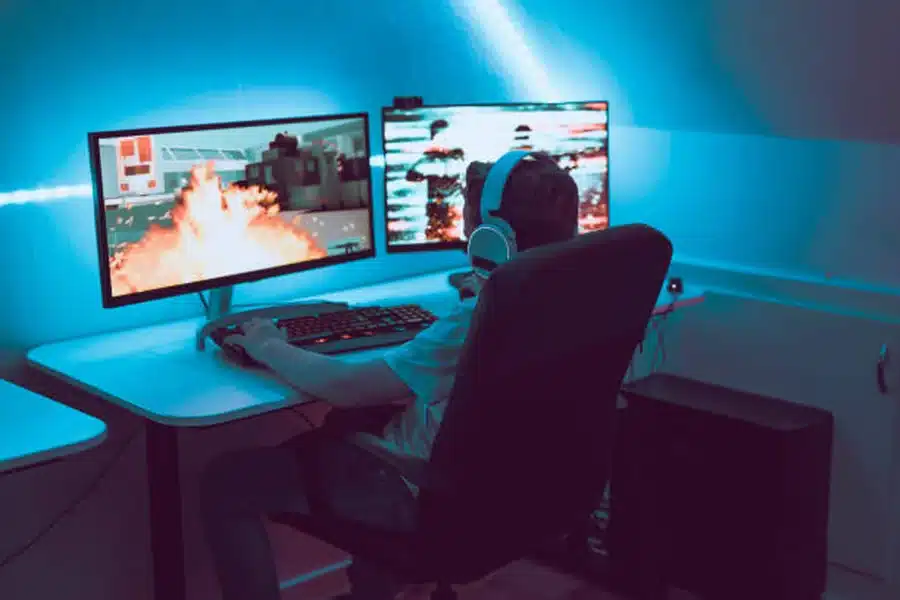
Have you ever joined an online game and quickly noticed that people seem to follow little social rules without anyone spelling them out?
Online gaming is not only about quick moves, clever plans, or colorful screens. A big part of the fun comes from how players treat each other, share space, take turns, and build a friendly rhythm together.
These social rules are often quiet. Nobody hands you a list when you log in. Still, after a few matches, chats, or team rounds, you start to pick them up. They help players feel welcome, respected, and part of something shared.
Why Social Rules Matter in Online Games
Online slot games bring together people of different ages, locations, habits, and play styles. Because of that, simple social habits help everyone enjoy the same space.
These rules are not stiff or formal. They are more like everyday manners. Just as people say “thanks” when someone holds a door, players often use small actions to keep the mood friendly and clear.
They Make Team Play Feel Natural
In team games, players often follow simple habits that keep things moving. For example, one person may lead, another may support, and another may share useful information.
Good team flow often comes from small choices, such as:
- Letting others know what you are planning
- Sharing items or resources when it helps the group
- Giving quick updates during key moments
- Celebrating team wins, even small ones
- Staying patient while everyone finds their rhythm
These habits make teamwork feel smooth and human.
They Help New Players Feel Included
Every player starts somewhere. Online gaming spaces often have kind players who explain controls, share tips, or give beginners time to learn.
A simple “follow me” or “try this move” can make a new player feel comfortable. Small acts like these create a warmer space where learning feels natural.
The Quiet Rules of Chat and Communication
Chat is one of the biggest parts of online gaming today. Some players use voice chat, some type, and some use quick signals or emojis.
The main social rule is simple: communicate in a way that helps the moment. Clear, friendly words can turn a normal match into a fun shared memory.
Short Messages Often Work Best
During a fast game, short messages are useful. Players often use simple phrases because everyone is focused.
Common helpful messages include:
- “I’ll cover this side.”
- “Need help here.”
- “Nice move.”
- “Let’s group up.”
- “Good round.”
These quick notes save time and keep everyone connected.
Praise Goes a Long Way
A little praise can lift the mood of the whole group. Saying “nice play” after a smart move or “good try” after a close round makes the space feel friendly.
Online gaming often moves fast, so kind words stand out. They remind everyone that there are real people behind the screens.
Silence Can Also Be Respectful
Not every player wants to chat all the time. Some people focus better with quiet play. Others prefer using signals instead of typing or speaking.
Respecting that choice is part of modern gaming manners. You can still work well together through actions, timing, and simple in-game tools.
How Players Share Space in Digital Play
Online games often feel like shared rooms. Players move through maps, wait in lobbies, join groups, and take turns during activities.
Because everyone shares the same space, players naturally create little habits that keep things organized and friendly.
Taking Turns Feels Fair
Many games include shared items, roles, or chances to lead. Players often take turns so everyone gets a moment to try something fun.
For example, one player may choose a role in one round, then let someone else choose it next time. This simple habit keeps the group feeling balanced.
Personal Play Styles Are Accepted
Some players enjoy careful planning. Some like fast action. Some enjoy exploring every corner. Others focus on helping the group.
A healthy online gaming space allows room for these styles. When players respect different approaches, the game feels richer and more personal.
Shared Goals Bring People Together
Even when players have different styles, shared goals give everyone a reason to cooperate. A team may protect a point, complete a mission, solve a puzzle, or finish a race.
That shared focus creates connection. Players may come from different places, but for that match, they are working toward the same goal.
Social Signals Players Use Without Thinking
A lot of online gaming manners happen through tiny signals. Players may crouch, wave, spin, drop an item, or pause for a teammate.
These small signs can say a lot without words. They show humor, respect, thanks, or teamwork.
| Signal | What It Often Means |
| Dropping an item | “You can have this” |
| Waiting near a door | “I’m ready when you are” |
| Quick wave or emote | “Hello” or “good play” |
| Marking a spot | “Look over here” |
| Moving together | “Let’s act as a team” |
How Online Gaming Builds Everyday Social Skills
Online gaming can help people practice real social habits in a relaxed setting. Players learn how to listen, take turns, explain ideas, and cheer for others.
These skills are simple, but they matter. They can show up in school, work, group chats, and daily life.
Players Learn Quick Cooperation
Games often ask people to work together right away. You may meet someone new and still need to plan, share, and act as a group within minutes.
That kind of quick cooperation teaches people how to read the room and adjust.
Players Learn Friendly Leadership
Leadership in games is often casual. A player might suggest a plan, guide the group, or explain a task.
The best kind of gaming leadership feels calm and clear. It helps everyone know what to do while still keeping the mood light.
Final Thoughts
The hidden social rules shaping online gaming today are really about everyday kindness, clear communication, and shared fun.
Players build better spaces through small choices: saying thanks, giving praise, taking turns, helping beginners, and respecting different play styles.
That is what makes online gaming feel alive. Behind every match, mission, and chat message, people are learning how to connect, cooperate, and enjoy time together.