The Occasion Should Decide the Ride: Charter Buses for Every Kind of Group
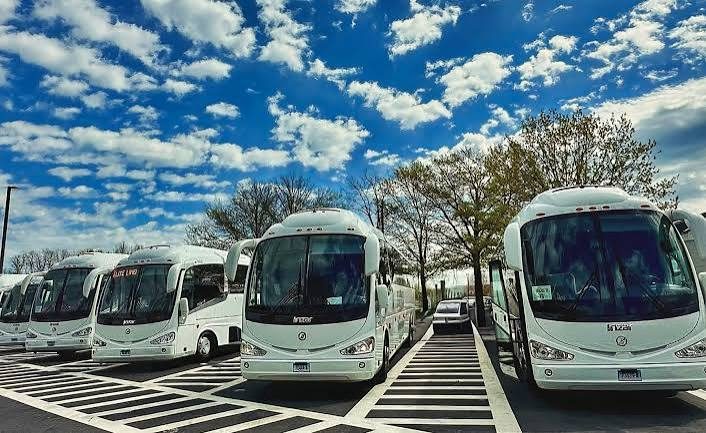
A wedding shuttle and a youth sports caravan have almost nothing in common except that both involve moving a lot of people at once. Yet groups often approach transportation with a one-size-fits-all mindset, booking whatever seems available and hoping it works out. The result is predictable: a formal event that feels rushed and cramped, or a casual outing weighed down by a ride that does not fit the mood. The smarter starting point is the occasion itself, letting the nature of the event shape the transportation rather than the reverse.
This guide walks through several common types of group travel and what each one really needs. The aim is to help organizers think in terms of fit, so the transportation supports the occasion instead of quietly working against it. When the ride matches the moment, everything downstream tends to run more smoothly.
Start With the Nature of the Event
Every group outing has a personality, and the transportation should match it. A celebratory event carries a different energy than a business trip, and a trip full of restless kids demands different priorities than an adults-only excursion. Naming that personality first, before looking at vehicles at all, makes every subsequent decision clearer and prevents the common mistake of booking backward from availability.
Consider the emotional arc of the day as part of the planning. Some events want the travel to build anticipation and excitement, while others simply need people delivered calmly and on time. A ride that fits the first goal might feel like overkill for the second, and vice versa. Thinking through how the group should feel when they arrive helps clarify what the transportation actually needs to accomplish beyond moving bodies.
Logistics flow naturally once the occasion is clear. The number of stops, the schedule’s rigidity, the amount of gear involved, and the group’s tolerance for delays all follow from the type of event. An organizer who starts with the occasion ends up asking better questions, which leads to a better fit and far fewer unpleasant surprises on the day itself.
Budget also finds its proper place once the occasion is defined. A milestone celebration might justify prioritizing comfort and amenities, while a routine shuttle run calls for efficiency above all. Neither approach is wrong; they simply reflect different priorities set by different occasions. Letting the event guide where the money goes keeps spending aligned with what actually matters for that particular day, rather than defaulting to either extravagance or false economy.
Getting Teams Where They Need to Be
Athletic groups have distinct needs that generic transportation rarely meets. Reliable sports team transportation keeps a roster together, on schedule, and arriving in the right frame of mind, which matters more than people outside sports often realize. A team scattered across parents’ cars is a team at risk of missing warmups because half of it got stuck in traffic on the other side of town.
Equipment is the defining challenge for sports travel. Bags, gear, and sometimes bulky items need dedicated space, and a vehicle chosen without accounting for them turns into a frustrating game of stacking and squeezing. Sorting out storage in advance means the team can focus on the game rather than the logistics, and nobody ends up with a hockey bag on their lap for an hour.
There is a team-building benefit to traveling together as well. The shared ride becomes part of the pre-game ritual, letting athletes settle in, focus, and build the camaraderie that carries onto the field. Coaches often value that connected time, and it simply does not happen when a team arrives in fragments from a dozen different directions at slightly different times.
Reaching the Suburbs Without the Hassle
Group travel does not stop at the city limits, and suburban trips bring their own considerations. Arranging a charter bus rental lake forest or a similar suburban route keeps a group together even when the destination sits well outside the downtown core. Coordinating individual drivers to an unfamiliar suburb is exactly the kind of task that generates confusion and late arrivals.
Distance changes the comfort equation. A longer ride to or from the suburbs makes the quality of the vehicle matter more, since a cramped or uncomfortable trip wears on people over time. For destinations that involve real travel time, prioritizing a comfortable ride pays off in a group that arrives relaxed rather than road-weary and ready to complain before the event even begins.
Return trips deserve as much thought as the outbound journey. After an event, a tired group appreciates a smooth, coordinated ride home far more than the prospect of navigating back individually in the dark. Planning both directions from the start prevents the awkward end-of-night scramble that can otherwise sour an otherwise excellent day, and it lets people relax knowing the last leg is already handled.
Family Gatherings That Actually Feel Together
Large family events face a particular irony: the whole point is togetherness, yet the logistics often scatter everyone. Organizing a family reunion bus trip solves that by keeping relatives in one place during travel, turning transit time into part of the reunion rather than an interruption of it. Cousins catch up, grandparents relax, and nobody gets lost between venues.
Mixed groups are the norm at family events, which shapes what the transportation needs to handle. Young children, older relatives, and everyone in between travel together, so accessibility, comfort, and safety all come into play at once. A ride that accommodates the full span of ages keeps everyone included, which is exactly the spirit a family gathering is supposed to embody in the first place.
The convenience factor lifts a real burden off the host. Family reunions already demand enormous coordination, and removing the transportation puzzle frees the organizer to focus on the people and the plans. When nobody has to worry about directions, parking, or keeping a caravan together, the day feels less like an operation and more like the celebration it was meant to be from the start.
Questions Worth Asking Before You Book
A short conversation with a provider upfront prevents most day-of problems, and the right questions surface the details that matter. Asking about capacity, amenities, the handling of gear or luggage, and how timing and multiple stops are managed gives a clear picture of whether a given option truly fits the occasion you have in mind.
Be specific about the shape of your day when you talk to a provider. Sharing the number of people, the schedule, the destinations, and any special needs lets the provider recommend something that actually works rather than a generic default. The more context you offer, the better the match, and the fewer surprises await you when the day finally arrives.
It also pays to clarify expectations around timing and communication. Understanding pickup windows, how changes are handled, and who to contact on the day removes ambiguity that could otherwise cause stress. Groups that sort out these practical details in advance consistently report the smoothest experiences, because nothing important was left to chance or last-minute improvisation.
Reading how a provider responds to your questions tells you a great deal on its own. A helpful, detailed reply that anticipates concerns you had not even raised is a good sign that the day will be handled with the same care. Vague or dismissive answers, on the other hand, are worth noting early, while there is still time to consider other options rather than discovering the mismatch on the morning of the event.
The Little Things That Elevate the Experience
Beyond the big categories, a handful of small touches consistently separate a good group trip from a great one. Clear communication before the day, a comfortable environment during the ride, and a provider who anticipates needs rather than merely reacting to them all contribute to an experience that feels effortless. These details rarely make the planning checklist, yet they are what people actually remember afterward.
Timing buffers are one of those quiet touches worth building in. Leaving a little margin in the schedule absorbs the inevitable delays without cascading into a stressful, behind-all-day feeling. Groups that pad their timeline slightly tend to stay relaxed even when something runs long, while those scheduled down to the minute find that a single hiccup unravels the whole plan.
Attention to the group’s makeup rounds out the experience. Knowing whether the group skews young or older, energetic or laid-back, formal or casual, lets an organizer tune everything from the pace to the amenities. That awareness turns a generic outing into one that feels tailored, and it signals to everyone aboard that real thought went into making the day work for them specifically.
A brief word of thanks to the group afterward closes the loop nicely. Letting people know the plan went well, and gathering a quick sense of what they enjoyed, builds goodwill and makes the next outing easier to organize. Group travel is ultimately about the people, and a small acknowledgment at the end reinforces that the effort was in service of them rather than the logistics alone.
Let the Event Lead
The through-line across all of these situations is simple: the occasion should drive the transportation decision. A wedding, a game day, a suburban outing, and a family reunion each ask for something slightly different, and honoring those differences is what separates a forgettable logistical chore from a genuinely smooth experience.
For anyone organizing group travel, the most useful habit is to define the event clearly before shopping for a ride. Once the nature of the occasion is understood, the right questions and the right fit tend to follow naturally. Handle that thinking early, and the transportation becomes a quiet asset that supports the day rather than a variable that threatens to derail it.
None of this requires becoming a logistics expert. It simply means pausing at the start to ask what the day is really about, then letting that answer guide the practical choices that follow. Groups that begin there consistently find that the transportation piece, so often a source of dread, turns into one of the smoothest parts of the whole event.