
What Causes Urinary Incontinence? Common Risk Factors Explained
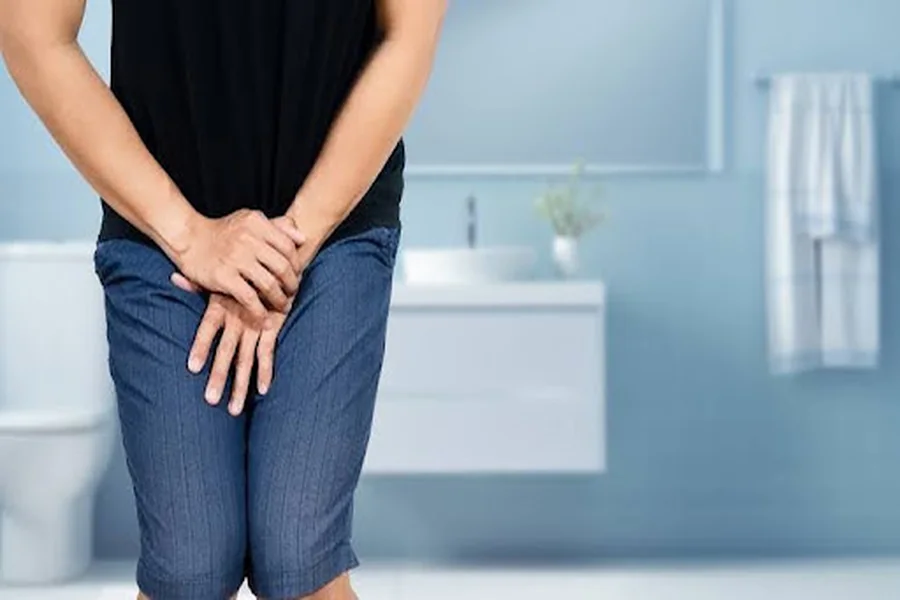
There are several causes for bladder leakage and every one is different. In some cases, the bladder is irritated or is under an unusually high pressure and these episodes occur suddenly. Others grow over time as muscle, nerve, hormone or nearby organs change.
Leakage can occur in women during pregnancy, childbirth, menopause or as they grow older. In men, issues arise when prostate issues block normal urination. Other daily activities and health factors can contribute to an increased risk.
Knowing the cause aids in the selection of tests and treatment. It helps people to identify if a leak is continuing that requires medical attention. This article provides an overview of the most frequent medical reasons for common <a title=”Urinary Incontinence Golden CO” href=”https://agelessexpressions.com/golden/services/urinary-incontinence/“>Urinary Incontinence</a>.
Causes of Urinary Incontinence
These are the common temporary and persistent conditions that can cause bladder leakage.
Temporary urinary incontinence
The temporary incontinence is caused by temporary conditions like illness or physical changes. As soon as the underlying cause has improved, normal bladder control can also be restored.
Urinary tract infection (UTI)
A UTI may irritate the bladder and give a sudden urge to pee. There is an urgent need to urinate, and it often occurs with little warning. Some people also experience burning or pelvic pain or need to go to the toilet more often.
Constipation
Constipation can also impact bladder control as the bowel is near the bladder. The hard stool can compress the bladder and lessen the storage capacity. Heavy lifting can also overwork the muscles of the pelvic floor.
Persistent urinary incontinence
When leakage does persist, it may be caused by a permanent alteration of the muscles, nerves or organs. Usually these issues require the appropriate evaluation rather than waiting to resolve the symptoms.
Pregnancy
As the uterus expands during pregnancy, there is a growing pressure on the bladder. The hormonal changes can cause the bladder and urethra to become loose as well. Lots of women experience a leak when lightly coughing, laughing, sneezing, or working out.
Over time, the added weight may also put strain on the pelvic floor muscles. Symptoms may persist after delivery, although leakage may get better. For some women, weakened pelvic muscles, which can happen during childbirth and pregnancy, can cause bladder issues in the long term.
Menopause
When estrogen decreases over time during menopause, bladder control may be affected. Reduced estrogen can impact the tissue in the area around the urethra, vagina, and bladder. These tissues may get thinner, drier and less supportive than they were.
Some women feel more urgent to urinate, have to urinate more often or suffer from leakage during stress following the surgery. Often, aging takes place during menopause which can also cause pelvic muscle deterioration. But symptoms can be quite diverse, and they must be evaluated when they interfere with everyday functioning.
Enlarged prostate or cancer
Urine may not empty the bladder properly, due to an enlarged prostate. If urine stays in the bladder, it can cause the bladder to be too full or irritated. This can lead to urgency, dribbling, frequent trips or overflow leakage.
In some cases, prostate cancer can also impact the way people urinate, depending on the location and stage of the cancer. Surgery or radiation for prostate cancer also can impact continence. Prostate and bladder symptoms should be discussed promptly by men with new leakage.
Tumours along urinary tract
Tumors affecting the bladder or nearby urinary tract can disturb normal urine control. A growth can cause the bladder to have less room for urine or block the flow of urine. Urgency or more frequent urination can also be a symptom of some tumors, as they can irritate bladder tissue.
This can cause blockage, which can result in retention and/or dribbling or leakage from the overflow. Blood in urine can be another warning sign needing evaluation. Persistent urinary changes should be checked because several different conditions may cause them.
Neurological disorders
Bladder control depends on clear signals between the brain, nerves, and bladder. Neurological disorders can interrupt those signals and change normal bladder function. Multiple sclerosis, Parkinson’s disease, stroke, and spinal cord problems may contribute directly.
Some people develop sudden urgency, while others cannot empty their bladder fully. Leakage patterns can differ depending on which nerves are affected most. Proper evaluation helps identify whether symptoms come from neurological or urinary causes.
Common Risk Factors
The following are common factors that may increase someone’s likelihood of bladder leakage.
Gender
Bladder leakage risk is also different in males and females, due to anatomical and life event factors. Pregnancy, childbirth, menopause, and changes to the pelvic floor can bring additional risks for women. The pelvis and the shorter urethra also play a role in bladder support throughout their lifetime.
Leakage can happen due to prostate enlargement, prostate surgery, or prostate cancer treatment in men. Bladder control issues can occur in males and females of any age, though.
Age
As you get older, you are more likely to develop bladder leakage, but it’s not a natural part of aging. The muscles of the bladder can become weaker, making it easier to urinate too much. Pelvic floor muscle weakness may also happen and lead to an increase in the risk of leaks.
Older people today may have slowed and less dependable nerve signaling. Other health issues and medications also can have an impact on bladder control at different ages. New symptoms should not be overlooked because of normal aging.
Obesity
Obesity can increase bladder leakage by placing steady downward pressure on the abdomen. This pressure also reaches the bladder and the pelvic floor below it. Supporting muscles can over time wear and tear when moving.
Coughing, lifting, laughing or exercising may then cause urine leakage due to stress. Additional weight can also increase the urgency of urination for some. Weight management can sometimes improve symptoms, especially when abdominal pressure contributes strongly overall.
Smoking
There are several direct and indirect effects of smoking that increase the risk of bladder leakage. The constant coughing puts force on the bladder and pelvic floor muscles again and again. As that strain increases in time, the leakage of urine through stress may be more apparent.
Family History
Family history may influence bladder leakage risk through inherited physical traits. Some people may inherit differences involving connective tissue, pelvic support, or bladder function. Shared family habits and health conditions can also shape overall risk levels.
But having family members with leakage does not guarantee symptoms will occur. There are still a lot of things that influence prostate health, such as lifestyle, childbirth history, prostate health, weight and aging. Talking about family patterns may assist the clinician to have a better understanding of a person’s overall risk factor profile.
Conclusion
If you know the causes of bladder leaks, you can notice significant changes early. Your risk can be increased by your age, weight, smoking or family history. Control can be affected as well by pregnancy, menopause, prostate disease and nerve disorders.