What to Do After a Motorcycle Accident in Houston
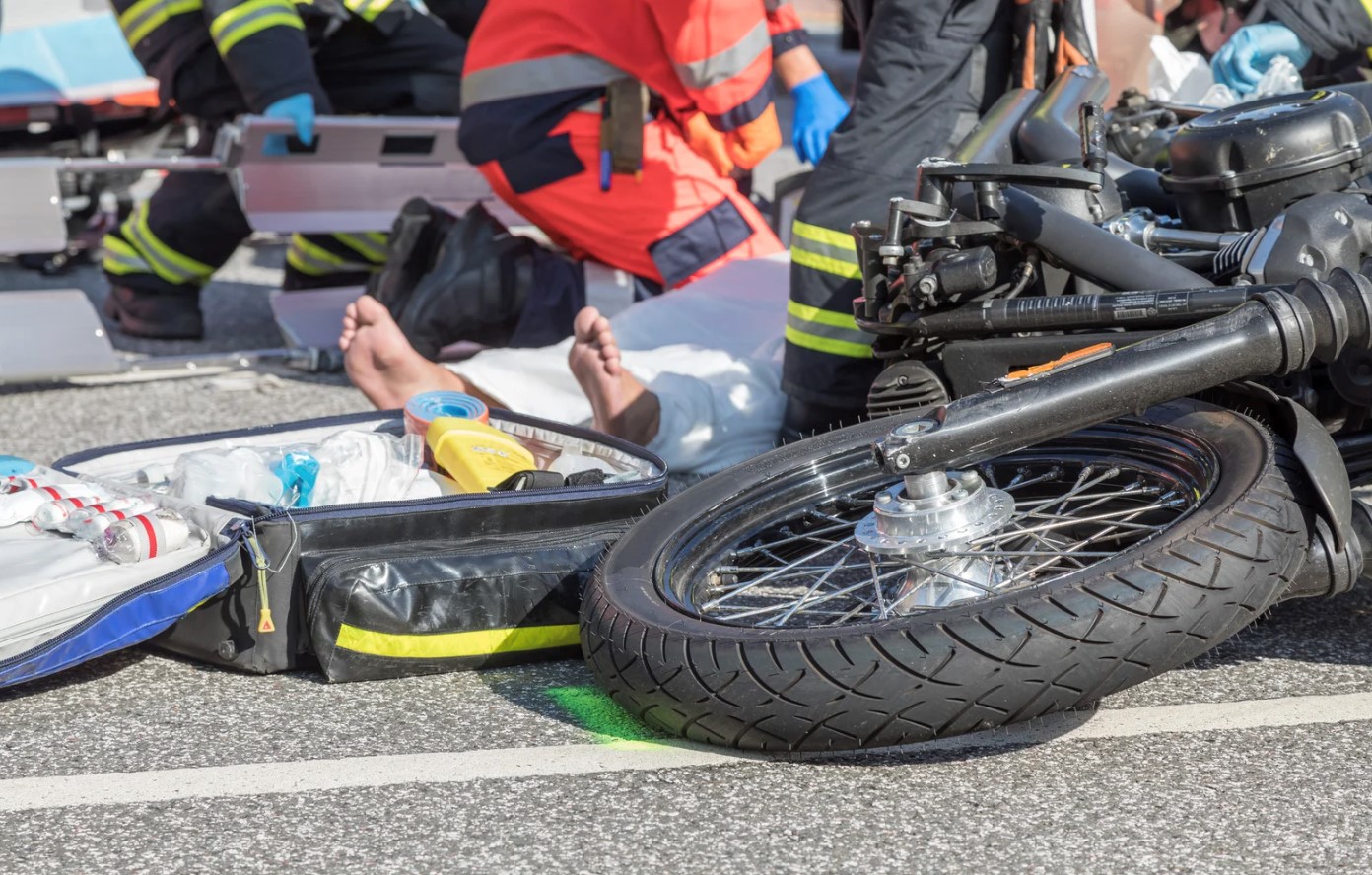
The first steps after a motorcycle accident in Houston are seeking medical attention, documenting the scene, and avoiding a recorded statement to the other driver’s insurance company before speaking with a lawyer. Motorcycle crashes often result in more severe injuries than passenger vehicle collisions because riders have far less physical protection. Insurance companies may also dispute liability by arguing that the rider was speeding, weaving through traffic, or otherwise contributed to the crash.
How much a motorcycle accident settlement is worth in Houston depends on the severity of the injuries, medical expenses, lost income, future medical care, pain and suffering, available insurance coverage, and whether the injured rider shares any responsibility under Texas law. Because Texas follows a modified comparative fault system, proving exactly how the collision happened can directly affect the amount of compensation that may be recovered.
Evidence gathered in the first hours and days after the crash, including photographs, witness statements, surveillance footage, and medical records, often becomes central to that determination. Law firms that regularly handle motorcycle accident claims, including Sutliff & Stout, generally focus on preserving this evidence early while communicating with insurers and other parties before key information is lost.
Early decisions after a motorcycle crash can influence both liability and the value of a claim, making prompt medical treatment and evidence preservation important from the outset.
Immediate Steps After a Motorcycle Crash
The actions taken right after a collision often shape the strength of the claim that follows. Missing key evidence or delaying medical care can create problems that are difficult to fix later.
Seek Medical Care Right Away
Adrenaline can mask pain immediately after a crash, which means injuries like concussions, internal bleeding, or fractures are not always obvious at the scene. Getting evaluated by a medical professional, even if the injuries seem minor, creates a documented link between the crash and any resulting harm.
Document the Scene Thoroughly
Photos of the motorcycle, the other vehicle involved, the road surface, weather conditions, and any visible injuries can all become important evidence later. Skid marks, debris fields, and the final resting position of both vehicles can help establish how the crash occurred.
Gather Witness Information
Witnesses who saw the crash can provide an account that supports the rider’s version of events, particularly in cases where the other driver claims the motorcyclist was speeding or lane splitting. Contact information should be collected before witnesses leave the scene.
Avoid Giving a Recorded Statement Right Away
Insurance adjusters sometimes contact injured motorcyclists quickly, hoping to get a statement before the rider has spoken with a lawyer. These statements can be used later to suggest the rider was partially at fault, even when the wording was casual or incomplete. It is best to consult an attorney before discussing the details of the crash with an insurance representative.
Determining Fault in a Motorcycle Accident
Fault in a motorcycle accident depends on the specific circumstances of the crash, but common causes include a driver failing to see the motorcycle before changing lanes, left-turn accidents where a driver misjudges the motorcycle’s speed, and rear-end collisions caused by sudden braking.
Texas follows a comparative negligence rule, meaning a rider can still recover compensation even if they are partially at fault, as long as their share of the blame does not exceed 51 percent. However, any percentage of fault assigned to the rider reduces the total compensation available, which is why disputing an unfair fault determination matters.
The Role of Helmet Use in a Claim
Texas law does not require helmet use for riders over 21 who meet certain insurance and training requirements, but not wearing a helmet can still affect a claim. If a head injury is involved and the rider was not wearing a helmet, the defense may argue that the injury would have been less severe with proper protective gear, even if helmet use was not legally required.
Common Injuries and Their Long-Term Impact
Motorcycle accidents frequently result in road rash, fractures, spinal cord injuries, and traumatic brain injuries, since riders lack the protective frame that a car provides. These injuries often require extended rehabilitation and can affect a person’s ability to return to work.
According to data tracked by the Texas Department of Transportation, motorcyclist fatalities remain disproportionately high relative to the number of motorcycles registered in the state, underscoring how vulnerable riders are compared to occupants of passenger vehicles.
Why Experience With Motorcycle Cases Matters
Insurance companies are aware that juries and adjusters sometimes hold biases against motorcyclists, assuming riders take on inherent risk simply by choosing to ride. A lawyer experienced in motorcycle accident claims knows how to counter these assumptions with evidence, expert testimony, and a clear presentation of how the crash actually occurred.
Calculating Compensation in a Motorcycle Injury Claim
A motorcycle accident settlement typically accounts for current and future medical expenses, lost wages, reduced earning capacity if the injury has a lasting impact, and pain and suffering. Because motorcycle injuries tend to be more severe than those from a standard car accident, medical costs and long-term rehabilitation needs often make up a larger share of the total claim value.
Expert testimony from medical professionals, and in some cases accident reconstruction specialists, can play an important role in cases involving permanent injury or disputed fault. These experts help translate the physical evidence and medical records into a clear picture of both how the crash happened and what it will cost the rider going forward.
When a Motorcycle Accident Involves a Commercial Vehicle
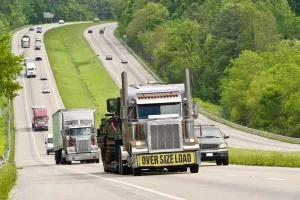
Some of the most serious motorcycle crashes involve a collision with a commercial truck or delivery vehicle. These cases add another layer of complexity, since federal trucking regulations, driver logs, and company safety records may all become relevant to establishing fault, in addition to the standard evidence gathered in any motorcycle accident case.
Final Takeaways
- Seeking medical care immediately after a motorcycle crash helps document injuries that may not be obvious right away.
- Photos, witness statements, and scene documentation are critical since motorcycle crashes are often disputed.
- Avoid giving a recorded statement to an insurance adjuster before speaking with a lawyer.
- Texas comparative negligence rules mean a rider can still recover compensation even if partially at fault, up to a point.
- Insurance companies may use lack of helmet use to argue reduced compensation, even when helmet use was not legally required.
- Cases involving commercial vehicles often require additional evidence, including driver logs and company safety records.