When To Rent Instead of Buy Construction Equipment
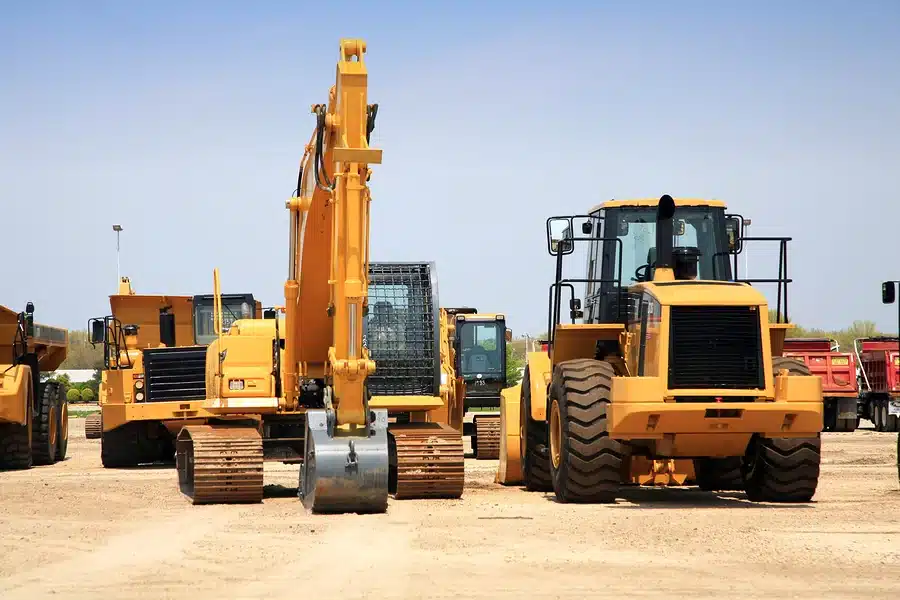
Choosing between renting and buying construction equipment is a decision that can significantly impact your project budget, timeline, and long-term profitability. While ownership can make sense in certain situations, many contractors, builders, and property owners are finding that renting often offers more flexibility and less financial risk. Knowing when to rent instead of buy can help you better manage project demands, keep costs under control, and avoid long-term maintenance headaches.
This guide outlines the key scenarios when renting makes more sense than purchasing and what benefits it offers in each case.
You Only Need the Equipment for a Short-Term Project
One of the most common reasons to rent instead of buy is project length. If your job lasts a few days, weeks, or even a couple of months, buying doesn’t usually make sense. The cost of purchasing a large machine can take years to recover, especially if it sits unused for long periods.
Short-term use includes:
- Site preparation for residential construction
- Seasonal landscaping jobs
- Utility trenching for small installations
- One-off demolition projects
In these cases, heavy construction equipment rentals give you access to what you need without locking you into a long-term asset. Once the job is finished, you return the equipment—no storage, no upkeep, and no long-term payments.
You Want to Avoid Maintenance and Repairs
Owning equipment means taking on full responsibility for repairs, routine servicing, and unexpected breakdowns. These costs can add up quickly, especially as machines age or if you don’t have in-house mechanics.
When you rent, the provider handles maintenance, inspections, and replacement of worn parts. If something breaks, you’re not stuck paying thousands out of pocket or dealing with project delays. This is especially helpful if you don’t have a dedicated fleet management plan or access to service technicians on staff.
Renting also gives you peace of mind that the equipment you’re using is regularly inspected and updated, reducing downtime and helping you stay productive on the job site.
Your Project Requires Specialized or Uncommon Equipment
Every job is different. Some require general-purpose machines, while others need highly specific equipment that isn’t used frequently. For example, a standard backhoe might be used regularly, but what about a vibratory roller or long-reach excavator?
Renting gives you access to a wide range of machines without the commitment of ownership. This is especially useful when working on:
- Infrastructure improvements
- Bridge or overpass work
- Heavy road grading
- Large-scale demolition
- Soil compaction in tight areas
If a job calls for specialized gear that isn’t in your usual lineup, renting allows you to meet those demands without investing tens or hundreds of thousands of dollars into machines that may not be used again soon.
You’re Trying to Preserve Capital and Control Costs
Construction equipment is expensive. Even a small compact track loader or skid steer can cost tens of thousands to purchase new. Financing these purchases means upfront payments, interest, insurance, and depreciation over time.
For businesses looking to conserve capital, renting offers a cost-effective solution. It turns what would be a large capital expense into a manageable operational cost. You only pay for what you use, and you can budget more accurately with day, week, or month rates.
This also helps smaller contractors compete with larger firms by giving them access to the same high-performance equipment without the need to buy outright. For companies looking to grow or take on new types of jobs, heavy construction equipment rentals can support expansion without financial strain.
You’re Working in a Remote or Temporary Location
Transporting heavy machinery between sites is costly, time-consuming, and logistically complex—especially for companies working in rural, mountainous, or hard-to-access areas. If you’re tackling a one-time project in a new location, it often makes more sense to rent nearby than to transport your own machines.
Rental companies typically offer delivery and pickup services, which saves time and removes the need to coordinate multiple vendors. You also won’t need to worry about returning the equipment to your base location, since most rental agreements are tied to the project location itself.
This is particularly beneficial for utility companies, mobile contractors, and engineering firms who work across state lines or travel frequently for large jobs.
Your Existing Equipment Is Tied Up on Another Job
In busy seasons, your own fleet might already be committed to other projects. Renting allows you to supplement your fleet without delay, so you don’t lose out on new work just because your machines are in use elsewhere.
This flexibility is a big reason why many contractors treat rental equipment as part of their core operations. It fills the gaps when demand spikes, helps meet project deadlines, and keeps operations running smoothly even when logistics become complicated.
You Want to Test Equipment Before Committing to a Purchase
If you’re considering a new type of machine or upgrading your fleet, renting first can be a smart move. It gives you the opportunity to try out a particular brand, model, or machine size under real jobsite conditions before making a large investment.
Renting also allows your operators to get a feel for the equipment, see how it integrates into your existing workflow, and determine if it fits your long-term needs. This type of real-world testing is far more valuable than reading spec sheets or spending an hour at a dealership.
If it turns out the machine isn’t a good fit, you haven’t sunk any money into ownership and can easily try a different model. Some rental companies may even offer rent-to-own options if you’re confident the machine is worth adding to your fleet.
You Need to Meet Environmental or Emissions Standards
Depending on your location, certain jobs may require Tier 4 Final equipment or adherence to specific emissions regulations. If your current machines don’t meet these standards, you may be required to rent compliant equipment in order to work on government-funded or environmentally sensitive sites.
Rental companies typically maintain updated fleets that meet current emissions regulations. This ensures that you can meet environmental requirements without needing to purchase all-new equipment or risk fines and project delays.
How to Make the Most of Heavy Equipment Rentals
If you’re leaning toward renting, a little planning goes a long way. Here are a few tips to get the most value from heavy construction equipment rentals:
- Plan ahead: Book equipment in advance to lock in availability, especially during peak season.
- Match specs to the job: Choose machines based on your exact requirements, not just availability.
- Know your rates: Ask about daily, weekly, and monthly rates to find the best pricing for your project timeline.
- Understand what’s included: Clarify who handles maintenance, repairs, and transportation costs.
- Choose a reputable rental provider: A reliable partner will offer well-maintained equipment, fast delivery, and knowledgeable support.
Final Thoughts
Renting construction equipment offers flexibility, financial control, and access to a broader range of machines—all without the long-term commitment of ownership. For businesses managing short-term jobs, trying new equipment, or looking to scale without overextending their budget, heavy construction equipment rentals are often the better choice.
Knowing when to rent instead of buy can help your projects run more efficiently while keeping your financial goals intact. Evaluate your project scope, timeline, and future needs, and consider the benefits of rentals as a strategic part of your equipment plan.