Why Healthy Aging Is Becoming More About Function Than Age
For years, the goal of healthy aging sounded simple: live as long as possible. In 2026, that story has flipped. People care less about adding years and more about keeping the ability to do what matters: carry groceries, climb stairs, travel, play with grandkids, and stay independent at home.
This shift puts function front and center. You might hear experts call it healthspan optimization, and it’s a good thing. It means building a life where your body and mind keep up with your plans, no matter your birthday count.
If you want a clear path, start here. These five rules capture the new, function-first approach to longevity.
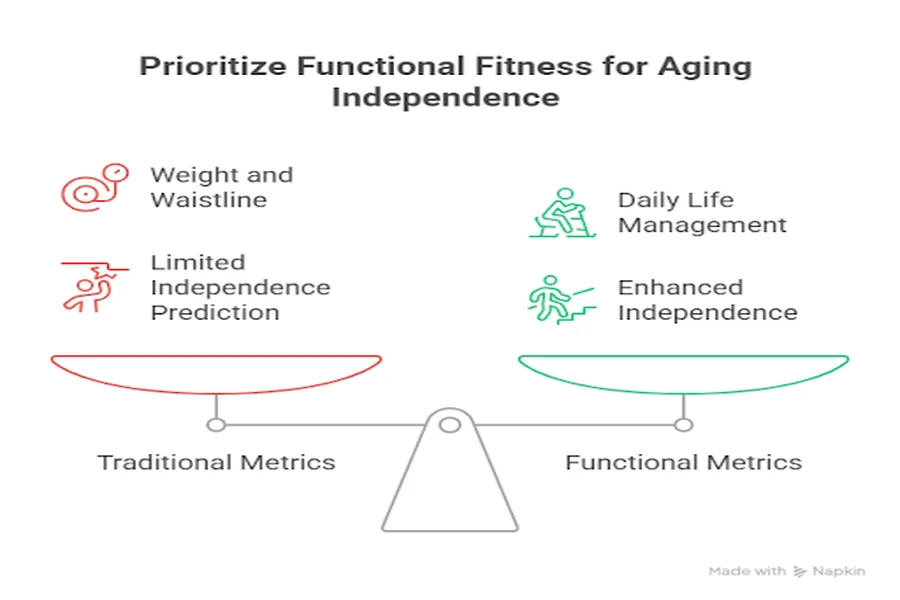
Rule 1: Measure Strength and Mobility, Not Just Weight
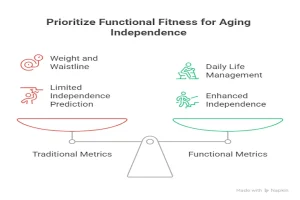
Scales and waistlines tell part of the story. But they miss the skills that keep you independent.
Think about real-life tests: Can you stand up from a chair five times in a row without using your arms? Can you walk briskly for 30 minutes? Can you get up from the floor with minimal help? These abilities predict how well you’ll manage daily life as you age.
Small, consistent efforts add up. One 2026 trial found that just four minutes of daily strengthening work (about 60 seconds of lower-body resistance) improved chair stands, one-leg stand time, and sit-to-stand speed in adults 65 and older. That’s the kind of change that helps with stairs, buses, and getting out of low chairs.
Rule 2: Train for Daily Tasks, Not Just the Gym
Gym numbers look nice on a screen, but your body lives in the real world. Functional task training (practicing movements that match daily life) has strong support.
Another review of functional task training in older adults reported better balance, mobility, and endurance, which supports independence and lowers fall risk. Think sit-to-stand, stair climbing, carrying light loads, reaching overhead, and turning while walking. These are the moves you use at home, at work, and while traveling.
Build one “real-life circuit” per week:
– 10 sit-to-stands from a chair
– 10 step-ups per leg on a low step
– 20 meters of walking while carrying light bags (farmer’s carry)
– 10 overhead reaches to a shelf
– 10 slow turns left and right while walking
You don’t need fancy gear. A backpack with books, a sturdy chair, and a hallway work fine.
Rule 3: Protect Brain Function With Sleep, Movement, and Social TimeRule 3: Protect Brain Function With Sleep, Movement, and Social Time
Your brain runs the show. It decides how fast you react, how well you balance, and how clearly you think under pressure. Pure cognitive training alone may not fix balance or single-task walking, but it can improve walking speed when you’re also doing a mental task, like talking while crossing a busy street. That’s the kind of dual-task skill that keeps you safe in real life.
Sleep and social connection matter just as much. Poor sleep weakens attention and reaction time. Loneliness drains motivation to move and eat well. Together, they chip away at function.
Try this:
– Aim for a regular sleep window (same bedtime and wake time, even on weekends).
– Get outside daily for light and a short walk; morning light helps set your body clock.
– Schedule two social blocks a week: a coffee with a friend, a group class, a family call, or a community event.
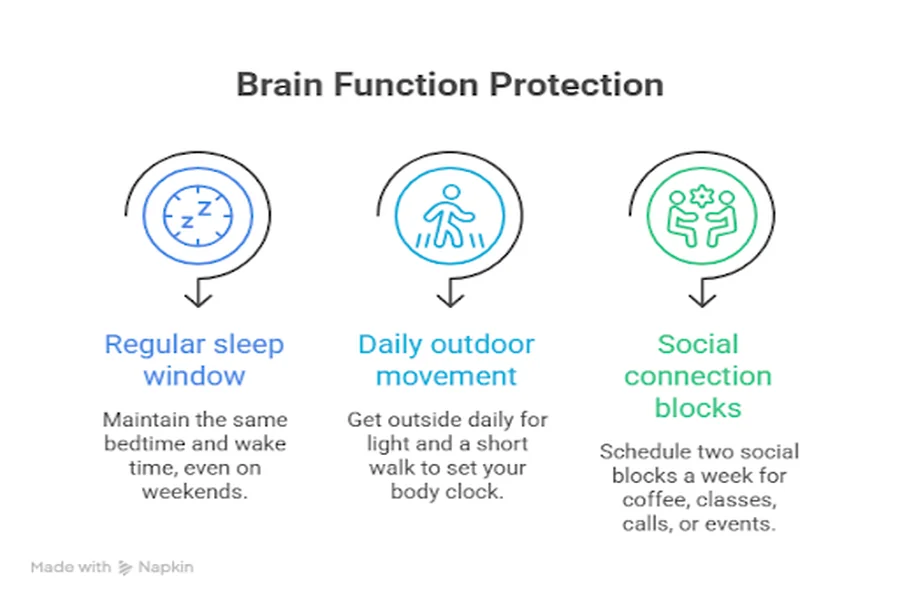
Function thrives on routine. When sleep, movement, and social time line up, your days feel smoother and your body responds better to training.
Rule 4: Design Your Home for Independence
Your environment can help or hinder. Set up your space so you can keep doing what you enjoy without extra strain: add bright lights, clear paths and install grab bars in the bathroom and near steps.
These changes reduce fall risk and make routine tasks (cooking, cleaning, laundry) less tiring. That’s the point: save energy for the things you love.
Rule 5: Track Healthspan Habits, Not Just Lab NumbersRule 5: Track Healthspan Habits, Not Just Lab Numbers
Lab tests matter, but they don’t tell the whole story. You can have “normal” numbers and still struggle with stairs or sleep. Healthspan habits focus on what you do each day: strength work, walking, balance, sleep quality, social contact, and purposeful activity.
Over time, these habits build capacity. You’ll notice you recover faster, move with more confidence, and handle surprises (like a long travel day or a busy family event) without crashing.
The Bottom Line
Healthy aging is all about fighting time and building capacity. You don’t need perfect genetics or a fancy program. You need clear rules, simple habits, and a home that supports you. Focus on function, and the years take care of themselves.