What Restaurants and Cafes Get Wrong About Sourcing Specialty Coffee
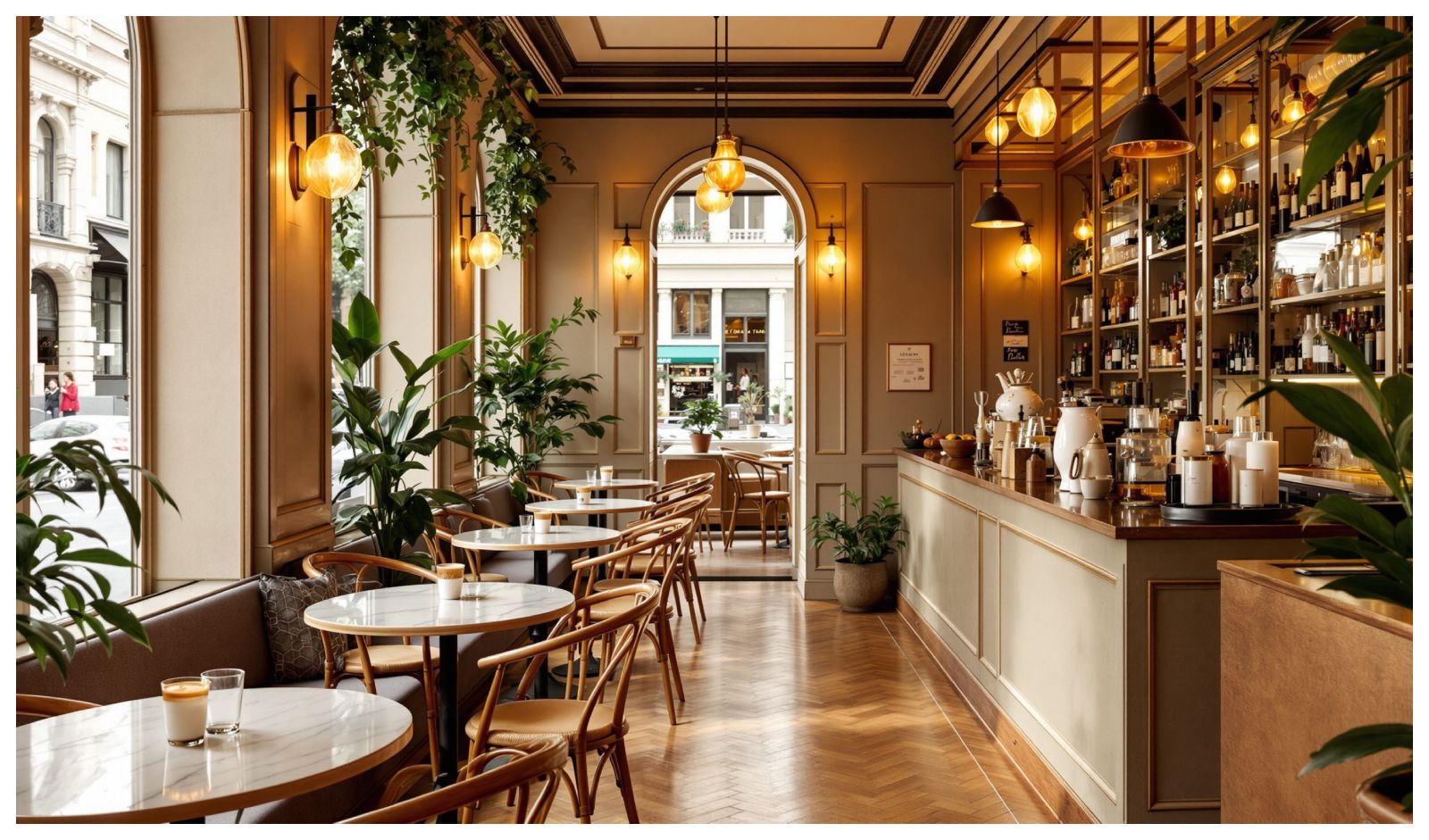
Opening a restaurant or cafe involves a hundred small sourcing decisions, and coffee is often one of the most underestimated. Many new operators default to whatever their equipment distributor recommends, without realizing that coffee sourcing decisions directly affect both quality and long-term cost.
Why Coffee Sourcing Gets Overlooked
New restaurant owners tend to focus their sourcing attention on food ingredients, produce suppliers, meat quality, specialty items, while treating coffee as an afterthought handled by whichever distributor supplies the espresso machine. This is a mistake, since coffee is often the first thing a customer tastes and one of the most frequently reordered items on the menu.
The Real Cost of Cutting Corners on Coffee
Cheap, mass-produced commodity coffee is inexpensive per pound, but it also tends to produce inconsistent results, bitter, over-roasted batches that vary from bag to bag. That inconsistency shows up in customer complaints and repeat visits far more than most operators initially expect.
What Makes Specialty Coffee Different for a Business
Specialty, single-origin coffee tends to roast more consistently and carries a more distinct flavor profile that a business can actually market, rather than serving something entirely generic and indistinguishable from competitors. This becomes a genuine point of differentiation, particularly for cafes competing in crowded markets.
Sourcing Directly From Farms
Some restaurants and cafes have started sourcing directly from smaller farms rather than through large commercial distributors, both for quality consistency and for the marketing value of being able to tell customers exactly where their coffee comes from. Kona Coffee sourced this way, farm-direct from Hawaii’s Kona growing region, gives operators a genuinely distinctive, story-rich product to build a coffee program around.
Pricing It Correctly on the Menu
Specialty coffee costs more per pound than commodity coffee, which means it needs to be priced accordingly on the menu rather than treated as a loss leader. Operators who successfully build a specialty coffee program tend to market the origin story directly on their menu, which helps customers understand and accept the higher price point.
Training Staff to Represent It Properly
A high-quality coffee poorly brewed by untrained staff loses most of its value. Investing a small amount of time training baristas on proper brewing ratios and equipment maintenance protects the investment made in sourcing better beans in the first place.
Building Coffee Into the Overall Concept
Restaurants that treat their coffee program as part of their overall brand story, rather than an afterthought, tend to see stronger repeat business specifically tied to their beverage program, not just their food menu.
Frequently Asked Questions
Is specialty coffee worth the added cost for a small restaurant or cafe?
For many operators, yes, particularly because it creates a point of differentiation and tends to produce more consistent results than commodity coffee.
How should a restaurant price specialty coffee on its menu?
Pricing should reflect the higher per-pound cost, often supported by highlighting the origin story to help customers understand the value.
Does farm-direct sourcing really make a noticeable difference for a business?
Yes, both in flavor consistency and in giving the business a genuine story to market, which generic commodity coffee cannot offer.
Do staff need special training to serve specialty coffee well?
Basic training on brewing ratios and equipment maintenance goes a long way toward protecting the investment in higher-quality beans.
Can a small cafe realistically source coffee directly from a specific farm?
Yes, many small farms and specialty roasters work directly with restaurants and cafes of various sizes, not just large commercial accounts.